

Directory
Sponsored

 1 week, 2 days ago


 Facebook
 Twitter
 Google+
 LinkedIn


|

|

Dr Hugo Fernandes
Gynaecologist and Fertility SpecialistDr Hugo, a leading fertility specialist and gynecologist in Melbourne, practises at renowned IVF clinic in Melbourne. His career reflects a lifelong commitment to advancing women’s health and providing expert male infertility treatment.
Born and raised in Melbourne, he completed his specialty training in Obstetrics and Gynaecology at Monash Health in 2011, where he discovered his passion for minimally invasive and advanced gynaecological surgery.
view this profile

London Medical Excellence Academy (LMEA)
London Medical Excellence Academy (LMEA)London Medical Excellence Academy (LMEA) is a premier institution dedicated to excellence in medical training and professional development. Located in the heart of London, we combine training excellence with cutting-edge innovation to prepare the next generation of healthcare leaders. Our world-class faculty and globally diverse community create an inspiring environment where Medical professionals gain the knowledge and confidence to make a lasting impact in healthcare.
Phone Number:
07412835208
view this profile

Avni Samani
Hampden Dental & Aesthetics ClinicHampden Dental & Aesthetics Clinic is a long-established child-friendly practice and a private dentist in Southgate led by Dr Avni Samani.
The clinic is conveniently located in East Barnet’s Hampden Square, and easily accessible via car, bus and Southgate tube station. Our multi-discipline practice has steadily built on the firm foundations of our predecessors since the practice was first established over 60 years ago.
Our dedicated team of long-serving dental professionals and specialists are passionate about keeping ahead of the field when it comes to dentistry.
Whether it’s a routine check-up, tooth whitening, invisible braces such as Invisalign® or safe and effective facial aesthetics treatments like Fillers and Botox in Southgate, in East Barnet.
view this profile

Cabinet Dentaire CDT
Cabinet Dentaire CDTCabinet dentaire CDT - Cabinet Dentaire La Tour à Bulle
Situé au cœur de La Tour-de-Trême, le Cabinet Dentaire La Tour (CDT) à Bulle propose des soins dentaires complets et personnalisés pour toute la famille. Notre équipe multilingue (français, anglais, allemand, roumain) associe expertise, technologies modernes et approche douce pour un accompagnement sur mesure, du simple contrôle préventif aux traitements esthétiques et orthodontiques complexes.
Phone :
+41 26 563 02 00
view this profile

Directory:
Tags:
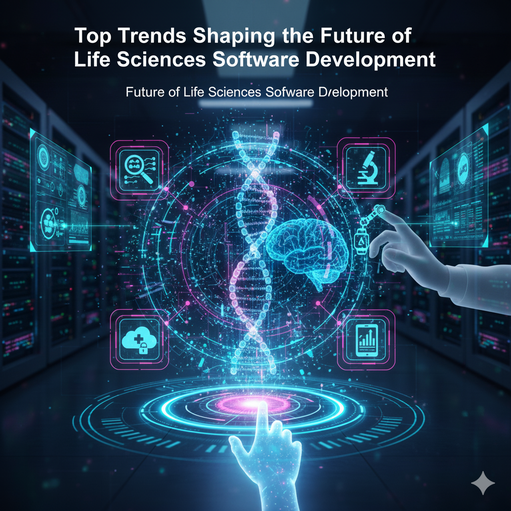
The life sciences industry is evolving at a rapid pace, driven by scientific breakthroughs, regulatory changes, and digital transformation. Software solutions now play a vital role in advancing research, improving patient outcomes, and streamlining operations. As technology continues to redefine healthcare and biotechnology, companies are investing heavily in software tools that enhance data management, automation, and compliance. Let’s explore the top trends shaping the future of life sciences software development and how they’re revolutionizing the industry.
1. The Rise of Artificial Intelligence and Machine Learning
Artificial Intelligence (AI) and Machine Learning (ML) are leading the transformation of the life sciences sector. These technologies enable researchers to analyze large volumes of data faster, identify patterns, and make predictive insights that were once impossible. From drug discovery to genomics, AI algorithms can process complex biological datasets, significantly reducing time and cost.
AI-powered software applications are also improving clinical trials by optimizing patient recruitment and monitoring. For example, ML models can predict patient responses to specific therapies, allowing for more targeted and effective treatments. As AI continues to mature, life sciences companies are increasingly integrating it into every stage of research and development.
2. Cloud Computing for Scalable Data Management
The explosion of scientific data requires scalable, secure, and efficient storage solutions. Cloud computing has emerged as the cornerstone of modern life sciences software development. It allows organizations to store, access, and analyze vast datasets without the limitations of traditional IT infrastructure.
Cloud platforms enable global collaboration by connecting researchers, pharmaceutical companies, and regulatory bodies on a single, secure network. Moreover, advanced encryption and access control ensure compliance with industry standards such as HIPAA and GDPR. As a result, cloud-based solutions are enhancing innovation while maintaining data integrity and security.
3. Data Integration and Interoperability
In life sciences, data often comes from multiple sources—clinical trials, genomics, laboratory systems, and electronic health records (EHRs). However, siloed data can slow down innovation and lead to inefficiencies. Modern software development focuses on data integration and interoperability, ensuring that all systems can communicate seamlessly.
With the adoption of standardized data formats and APIs, organizations can now merge and analyze complex datasets in real-time. This integration enables faster decision-making, better collaboration, and improved patient insights. As interoperability becomes the norm, it will pave the way for a more connected and transparent research ecosystem.
4. Advanced Analytics and Real-World Evidence (RWE)
Data analytics has become indispensable in life sciences, driving decisions from early-stage research to post-market surveillance. Advanced analytics tools are helping organizations make sense of vast amounts of real-world data (RWD) collected from wearables, EHRs, and clinical studies.
Real-World Evidence (RWE) derived from this data provides valuable insights into treatment effectiveness, patient behavior, and drug safety. Pharmaceutical companies can leverage RWE to accelerate regulatory approval and optimize clinical trial design. By combining predictive analytics with RWE, developers are creating smarter, data-driven software solutions that bridge the gap between research and real-world application.
5. Low-Code and No-Code Platforms Accelerating Innovation
The demand for faster software development cycles has given rise to low-code and no-code platforms. These tools allow scientists and non-technical users to design and deploy applications without extensive programming knowledge. In the life sciences domain, this trend empowers researchers to automate workflows, manage data pipelines, and create custom dashboards with minimal IT support.
Low-code development not only speeds up innovation but also reduces operational costs. It provides flexibility and agility, enabling teams to quickly adapt to regulatory changes and evolving research needs. As a result, these platforms are democratizing software development across the life sciences landscape.
6. Regulatory Compliance and Quality Management Automation
Compliance is a major concern in life sciences, given the strict regulations governing clinical trials, manufacturing, and patient data. To address this, companies are turning to automated quality management systems (QMS) and compliance software that track processes and maintain documentation in real time.
Modern QMS platforms integrate with laboratory and production systems, providing visibility and traceability across the entire product lifecycle. They help ensure that companies meet FDA, EMA, and ISO standards while minimizing human error. Automation not only simplifies compliance but also builds trust with regulators and stakeholders.
7. Cybersecurity and Data Privacy in Focus
As life sciences organizations handle sensitive health data, cybersecurity has become a top priority. The rise of digital transformation and cloud adoption increases the risk of data breaches, making robust security frameworks essential.
Developers are implementing advanced encryption, multi-factor authentication, and zero-trust architectures to protect data integrity. Additionally, AI-driven threat detection systems can identify and mitigate security risks proactively. By prioritizing cybersecurity, life sciences companies can safeguard patient information and maintain regulatory compliance.
8. Internet of Things (IoT) and Smart Devices in Research
The integration of the Internet of Things (IoT) in life sciences is transforming how data is collected and analyzed. Connected devices such as biosensors, wearables, and lab equipment continuously monitor biological parameters and transmit real-time data to software platforms.
This IoT-driven ecosystem supports precision medicine, remote monitoring, and efficient lab operations. For instance, IoT-enabled labs can automate experiments, track inventory, and improve reproducibility. As connectivity grows, IoT will play an increasingly important role in improving research accuracy and operational efficiency.
9. Blockchain for Data Integrity and Traceability
Blockchain technology is emerging as a game-changer for maintaining transparency and trust in life sciences. Its decentralized nature ensures that every transaction and data entry is secure, immutable, and verifiable. This is especially useful for clinical trials, supply chain management, and drug traceability.
By leveraging blockchain, organizations can prevent data tampering and ensure the authenticity of research results. It also enhances collaboration between stakeholders while maintaining strict data governance. As regulatory bodies begin to recognize its potential, blockchain adoption in life sciences software is expected to grow exponentially.
10. Personalized Medicine and Precision Software Solutions
The shift toward personalized medicine is reshaping how software is developed in the life sciences industry. Instead of one-size-fits-all solutions, software now focuses on analyzing individual patient data—such as genetics, lifestyle, and environment—to create tailored treatment plans.
Advanced bioinformatics tools and AI-driven algorithms are enabling this level of customization. These solutions not only improve patient outcomes but also accelerate drug discovery and reduce clinical trial costs. As personalized healthcare continues to evolve, software developers will play a crucial role in turning data into actionable insights.
Conclusion
The future of life sciences software development is being shaped by innovation, data, and connectivity. From AI and cloud computing to blockchain and IoT, technology is revolutionizing how life sciences organizations operate, innovate, and deliver value. By embracing these trends, companies can stay ahead in a competitive market while improving patient care and accelerating scientific discovery.
In an era where data is the new currency, the integration of smart, secure, and compliant software systems will be the key to unlocking the full potential of the life sciences industry.

Sattva Dental Clinic, Vizag
Sattva Dental Clinic, VizagAt Sattva Dental Clinic, Lawsons Bay Colony, Pedda Waltair, Vizag (Visakhapatnam), we are committed to creating healthy, confident smiles through personalized, high-quality dental care. Our clinic is equipped with state-of-the-art technology and follows the highest standards of hygiene and patient safety.
Phone Number:
88867 77930
Business Email:
sattvadentalanddiabeticcare@gmail.com
Business Hours:
Mon - Sat :09:00 AM - 09:00 PM
Sun :09:00 AM - 01:00 PM
view this profile

Dr. Krishna sahani Best cardiologist in lucknow
Dr Krishna Kumar Sahani DM CARDIOLOGYDr. Krishna Kumar Sahani is the best cardiologist in Lucknow, offering expert care in heart failure treatment and advanced cardiac procedures. Recognized as the best doctor for coronary angiography in Indira Nagar and a skilled leadless pacemaker implant surgeon.
view this profile
Directory:
Tags:

Embedded systems are the silent, ubiquitous computers that power our modern existence. Unlike general-purpose PCs, these specialized computing systems are designed to perform dedicated functions within a larger mechanical or electrical system. From the microcontroller in your smart thermostat to the complex electronic control units (ECUs) in a modern automobile, embedded devices are the essential technological bedrock of the Internet of Things (IoT), industrial automation, medical equipment, and consumer electronics.
The process of embedded device development is a challenging yet rewarding discipline that requires a unique blend of hardware and software engineering expertise. It’s an intricate journey that transforms a specific need into a small, efficient, and reliable electronic product.
What Defines an Embedded System?
An embedded system is a tightly integrated combination of hardware (like a microcontroller unit (MCU) or a System-on-Chip (SoC), memory, and peripherals) and specialized software (firmware and application code). Their core characteristics contrast sharply with conventional computing:
· Task-Specific: They perform one or a few dedicated tasks, such as monitoring temperature or controlling a motor.
· Resource-Constrained: They typically operate with limited memory, processing power, and, critically, restricted power consumption, especially if battery-operated.
· Real-Time Requirements: Many embedded systems, particularly those in control or safety-critical applications (e.g., anti-lock brakes), must execute tasks within strict, predictable time constraints, making Real-Time Operating Systems (RTOS) a common necessity.
· Reliability and Stability: Given their role in often-critical applications, they demand high levels of reliability, stability, and robustness to withstand challenging environmental conditions.
The Embedded Development Life Cycle
Bringing an embedded device from concept to market is a multi-stage process that necessitates a holistic view of both hardware and software design, often proceeding in parallel.
1. Planning and Requirements Analysis
This initial stage is the foundation of the entire project. It involves defining the product's purpose, target audience, and most importantly, gathering detailed functional and non-functional requirements. Functional requirements detail what the system must do (e.g., measure light levels), while non-functional requirements specify how it must perform (e.g., power consumption, latency, and environmental operating temperature).
2. Hardware and Software Architecture Design
Based on the requirements, the team chooses the core components, such as the MCU or SoC, and designs the electronic circuit, including power management, sensors, and communication interfaces. Simultaneously, the software architecture is established, detailing the structure of the firmware, the choice of operating system (if any), and how different software modules will interact. Hardware-software co-design is crucial here, as one constrains the other.
3. Implementation (Coding and PCB Layout)
This phase involves writing the firmware—the low-level code that directly interacts with the hardware components, often written in C or C++ for efficiency and direct memory access. Concurrently, hardware engineers finalize the Printed Circuit Board (PCB) layout and oversee the assembly of early prototypes. This is where the custom code is "burned" onto the device's non-volatile memory.
4. Testing, Verification, and Validation
Testing in embedded systems is rigorous, involving:
· Unit Testing: Testing individual software modules.
· Integration Testing: Ensuring the software and hardware components work together seamlessly.
· System Testing: Validating the entire device against the original requirements, often using specialized tools like In-Circuit Emulators or JTAG debuggers to get visibility into the resource-constrained device.
· Field Trials: Testing the device under real-world conditions to confirm reliability.
5. Deployment and Maintenance
Once verified, the device is manufactured and deployed. The long-term phase involves crucial activities like over-the-air (OTA) firmware updates to fix bugs, patch security vulnerabilities, and add new features, ensuring the product remains functional and secure throughout its lifecycle.
Modern Challenges and Future Trends
The embedded landscape is evolving rapidly, presenting new challenges and exciting opportunities.
Key Challenges
· Security: As more devices connect to the internet (IoT), securing embedded systems against malicious attacks is paramount. This requires implementing features like secure boot, hardware encryption, and robust access controls.
· Resource Constraints: Continuously optimizing code and hardware design to maximize performance while minimizing power and memory usage remains a persistent challenge.
· Real-Time Performance and Reliability: Guaranteeing deterministic, timely performance in complex systems under all operating conditions is vital for safety-critical devices.
· Complexity of Integration: Merging custom hardware, low-level firmware, and high-level application software into a single, cohesive product requires specialized expertise.
Future Trends
The next wave of embedded development is characterized by the convergence of several major technologies:
1. AI at the Edge: Integrating Artificial Intelligence (AI) and Machine Learning (ML) directly into embedded devices allows for local, real-time decision-making without relying on the cloud. This trend is driving innovation in autonomous vehicles and intelligent monitoring systems.
2. Increased Connectivity: The rollout of 5G and other low-power wide-area network technologies (like LoRaWAN and NB-IoT) is providing the necessary bandwidth and range for massive-scale IoT deployments.
3. Low-Power Design: Continued focus on ultra-low-power MCUs and sophisticated power management is essential for extending the battery life of billions of connected, battery-operated sensors.
4. Open-Source Hardware and Software: The adoption of open-source components like the RISC-V architecture for processors and operating systems like Embedded Linux and Zephyr RTOS is accelerating innovation and reducing time-to-market.
In conclusion, embedded device development is a foundational engineering discipline that underpins the entire digital economy. Its future promises even smarter, safer, and more autonomous devices, making the skillset of the embedded engineer increasingly critical in shaping the technological world.