


Details
Expertise
Sponsored

HealthPad
The complete online solution for health providers
 London
 13 years, 8 months ago


 Facebook
 Twitter
 Google+
 LinkedIn

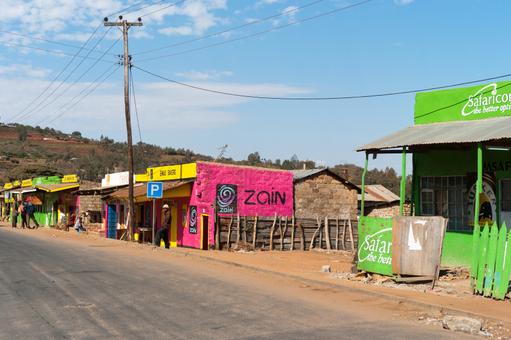
Africa is sick. Ninety per cent of the world’s cholera cases occur in Africa. Meningococcal meningitis is epidemic in most African countries. Yellow fever is endemic in 23 African countries. Africa has more than 28 million HIV/AIDS cases and 75% of the world’s AIDS population live in sub-Saharan Africa. Of the one million annual malaria deaths, 90% occur in the same region. Measles are common throughout Africa and result in high levels of morbidity and mortality. Lassa fever accounts for about 0.4 million deaths each year and avian influenza is endemic in many African countries.
This is not the whole story. In addition to being plagued with infectious diseases, Africa has a neglected epidemic of chronic non-communicable disease (NCDs). Over the next decade the continent is projected to experience the largest increase in mortality rates from cardiovascular disease, cancer, respiratory disease and diabetes.
Although, international health agencies and national governments are beginning to recognize and confront the significant global burden of NCDs, its awareness in Africa is still relatively low and political leaders there have not shown much interest in NCDs and this has been reflected in the allocation of health budgets. This neglect compounds Africa’s healthcare and development challenges, since the projected rise in NCDs throughout the continent is expected to occur on a compressed timeline compared to high income countries and Africa has restricted capacity to respond to the magnitude of its disease burden.
International organisations have flagged the magnitude and the urgency of the challenge. Healthcare advice from numerous non government agencies in the developed world on ways to deal with Africa’s escalating disease burden is forthcoming. This has been especially the case over the past decade when humanitarian aid budgets have peaked. Agency recommendations have been high on overall strategy and low on cost effective and scalable means of delivering such strategy.
|
Most advice includes epidemiological surveillance, primary programmes that target healthy populations and secondary preventative programmes aimed at reducing complications in affected populations. All agencies agree that human resources are crucial to viable African health systems. Hitherto, human resources have been a neglected component of African healthcare. A common implementation strategy recommended and implemented by several non government agencies is to organise health workers from the developed world to spend time in African countries teaching the teachers. To assist such programmes, some agencies recommend that African governments build more roads to enable health workers to gain better access to rural areas where healthcare provision is poor or non-existent. Education is crucially important, but the key question is, how do you educate enough people to make a difference? Africa has a population of over one billion; about 15% of global population,but only 2% of global GDP and its population is projected to double by 2050. Africa is exposed to multiple health risks combined with inadequate preventative healthcare and education. Projected trends of Africa’s disease burden and consequent rates of morbidity and mortality highlight the inadequacy of some popular traditional response to Africa’s healthcare challenge. In addition to the enormity of its disease burden, Africa, which has weak health systems, also has significant long standing structural, logistic, human and organisational barriers to the implementation of well intended traditionalhealthcare programmes many of which focus on teaching the teachers. So, despite well intended traditional interventions, Africa’s disease burden continues to grow and its overall effect is likely to decrease productivity, lower competiveness, increase fiscal pressure, expand poverty and create greater inequity in most African countries. More scalable and effective solutions are required. These should build on Africa’s strength, which are her established and fast growing telecommunications networks and her relative absence of healthcare legacy systems. Current trends in disease prevalence and treatment costs will force African countries to make deliberate and innovative choices in order to address their disease burdens in sustainable and effective ways. Such choices are more likely to employ modern technology than to build more roads. In Africa, mobile penetration exceeds infrastructure development, including paved roads and access to electricity and the internet. According to the World Health Organization’s (WHO) Global Observatory for mHealth some 40 African countries are using mobile health services. |
|
Africa is the fastest-growing mobile telephone market in the world and the biggest after Asia. Over the past five years the number of subscribers on the Continent has grown some 20% each year. By the end of 2012 it is projected that Africa will have 735 million mobile subscribers.The nature of Africa’s mobilemarket is also changing. Today, smart phone penetration rate in Africa is estimated to be about 18%: almost one in five and projected to reach 40% by 2015. While patchy, mobile penetration rates in Sub Saharan Africa, where the disease burden is greatest, are not low and the rate of smart phone penetration is estimated to be about 20%. In 2007 Sarafaricom, a leading mobile phone network in Kenya, launched M-Pesa, a mobile phone‐based payment and money transfer service for people too poor to have a bank account. M-Pesa spread quickly and has become the most successful mobile phone‐based financial service in the developing world. Today there are some 17 million registered M-Pesa accounts in Kenya. It is only a small step to offer a mobile health information service for all M-Pesa account holders. Africa’s new highways to carry healthcare information are virtual rather than physical. They already exist, they are extensive and, over the course of the next five years, are projected to rapidly expand and improve. With such an infrastructure one teacher can educate millions of people, which is significantly more cost effective and sustainable than traditional healthcare programmes. Further, Africa will not be able to diagnose and treat its way out of its disease burden. Increasingly, healthcare programmes will need to emphasis prevention, alongside efforts to strengthen health systems to provide early diagnosis; targeted cost-effective and scalable treatments that are fiscally sustainable depending on countries’ epidemiological profile. Such solutions will need to fit complex, overstretched and under-resourced health systems; address the enormity of the escalating disease burden and bring about desired changes in specific African countries’ health systems. This cannot be achieved only by repeating traditional healthcare programmes delivered by non government agencies from developed countries. According to the International Telecommunications Union there are some 5 billion wireless subscribers in the world today and over 70% of these reside in low and middle income countries. In 2011, Africa held its first mobile health summit in South Africa and firmly put mobile telephony at the centre of improving healthcare in poor countries. A 2011 WHO global survey of the use of mobile telephony in healthcare; mHealth, reported that commercial wireless signals cover over 85% of the world’s population. Eighty three per cent of the 122 countries surveyed in the Report used mobile phones for free emergency calls, text messaging and pill reminders. Modern technologies have the scalability to provide the basis for Africa to develop country-congruent health policies that are locally applicable. Technological systems such as mobile telephony, the internet and biometric identification, which are appropriately implemented, have the capacity to empower individuals and encourage them to take care of their own health. Further, such technologies have the capacity to improve targeting, reduce fraud and increase access to healthcare. Technologically based healthcare strategies offer Africa an opportunity to leapfrog its ineffective traditional healthcare systems and begin to manage the enormity of its disease burden and, in turn, may benefit the whole world by demonstrating the benefits of patient centred healthcare. |

We have always been and always will be married to our own health. In the future, however, we will be taking greater responsibility for it. The British government is encouraging more people to use modern technology to increase control over their health. Under the new UK NHS Mandate launched on 14th November 2012 by Health Secretary Jeremy Hunt, patients will be encouraged to give feedback on the quality of their care, so others can then choose between hospitals. By 2015, modern communications technology is expected to play a substantially bigger role in the UK’s healthcare system and a significant proportion of patients will be booking GP appointments online and ordering repeat prescriptions over the internet. Launching The Mandate, Hunt said: “Never in its long history has the NHS faced such rapid change in our healthcare needs, from caring for an older population, to managing the cost of better treatments, to seizing the opportunities of new technology.”
The UK Mandate marks the beginnings of a redefinition of health and healthcare away from its focus on disease towards a focus on patients and individual wellbeing. A significant driver of this shift is the rising cost of care. In January 2012, Standards & Poors published a report suggesting that the creditworthiness of leading developed countries would be in jeopardy if they did not stem the escalating cost of healthcare. Highlighting the US, Germany, the UK and France, it said: “We project that healthcare costs for a typical advanced economy will stand at 11.1 per cent of GDP by 2050, up from 6.3 per cent of GDP in 2010.”
In the US, which is richer than other countries, the situation is particularly bad and Americans are willing to spend more on healthcare. In 2000 US healthcare was 13.8% of GDP, by 2010 it had increased to 19.8%. Over the past 40 years, healthcare costs in the US have been rising significantly faster than the overall economy or personal incomes, a trend that cannot continue forever. Americans pay hospitals and doctors more than most patients do in other rich countries. US insurance incentives entice doctors and patients to use expensive medical services more than is often warranted. Americans rely more on costly specialists, who tend to overuse advanced imaging technologies and resort to costly surgical or medical procedures a lot more than doctors do in other countries. This suggests that wealth as well as aging is a significant driver of health costs.
As advanced industrial economies become wealthier, their healthcare spends converge with that of the US. According to Stuart Fletcher, the CEO of BUPA, British patients are increasingly bi-passing health insurance companies and paying private hospitals and specialists directly and specialist fees are continuing to rise. Rising fees and the relative lack of competition and transparency among private hospitals slows the rate that people take up private health insurance. In the medium-term this, says Fletcher, will create an “affordability crunch”. BUPA’s European and US business saw half year profits for Europe and North America fall by 22%. BUPA has responded to the changing market conditions by offering patients more power and greater choice. BUPA is trialling a new scheme where it acts as a broker for patients, helping them negotiate the best price and quality of treatment on 70 common conditions.
This is not only an issue for health insurers. In most countries healthcare expenditure is rising twice as fast as economic growth. This suggests that unless something is done to change the situation, healthcare systems are economically unsustainable and this will inevitably lead to healthcare programmes being either reduced or cut. Healthcare costs are set to escalate further because of the worldwide pandemic of chronic non-communicable diseases: cancer, diabetes, heart and respiratory conditions. Margaret Chan, the Director General of the World Health Organization views chronic non communicable diseases as “The biggest threat to the 21st Century”. Today, 60% of all deaths are due to these diseases: twice the number due to communicable diseases. However, this is not only about mortality, it is also about morbidity and dependency and the economic impact on both treatment and lost productivity, which has been estimated to be nearly US$50 trillion over the past 20 years.
Richard Saltman, Professor of Public Health at Emory University in the US, said a key theme as governments seek to curtail healthcare costs, would be “rethinking the balance between collective and individual responsibility.” This raises the prospect in many countries of people being expected to take greater charge of their own health and this is what the new UK NHS Mandate is nudging towards.
Patient focused healthcare means a shift away from reactive medicine comprised of diagnosis and treatment. Reactive healthcare systems primarily treat patients after the onset of disease; incur significant costs and usually do not restore patients to perfect health. To be sustainable, healthcare systems will have to go further than the new UK NHS Mandate. They will have to be redefined away from prevention and treatment of illness to one of promoting well-being. This places a greater importance on mental illness and on complementary and traditional medicine and shifts the emphasis away from hospitals and clinics towards less traditional places including the home where individuals will be better positioned to take control of their own health.
|
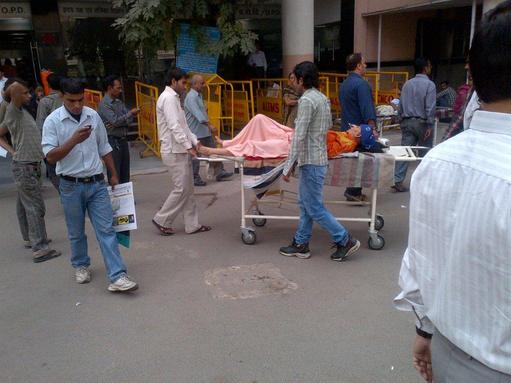
How do you develop a patient centred healthcare system that serves vast numbers of transient poor people? India has an answer: Rashtriya Swasthya Bima Yojna (RSBY), which has won plaudits from the World Bank and the United Nations as one of the world's best health insurance schemes. RSBY combines state-of-the-art technology and incentive structures. It is paperless, does not use cash and provides affordable health insurance to millions of people. The overwhelming majority of who, are illiterate, transient people living below the poverty line. According to Dr Anshuman Kumar, Chief Oncosurgeon, Dharamshila Cancer Hospital and Research Centre in New Delhi, “Since its launch, four years ago, Rashtriya Swasthya Bima Yojna covers some 40 million people many of whom have benefitted from in-patient hospital procedures. The scheme has been so successful that the Government is planning to extend it to India’s old age and disabled pension schemes”. In developing countries, poverty and ill health are synonymous. Billions of poor people lack access to healthcare while being exposed to multiple health risks. This, not only increases the health consequences for those individuals and their families, but has both a direct and indirect effect on economies. Widespread poverty as well as ill health decreases productivity; lowers competiveness, increases fiscal pressure, creates further poverty and promotes greater inequity. India is a rising global economic superpower with a GDP roughly equivalent to 3% of the world economy, but has a third of the world’s poor. In 2011 the World Bank reported that 33% of India’s population fell below the international poverty line of US$1.25 per day and 69% live on less than US$2 per day. Although India is on track to meet its poverty reduction goal set by the United Nations in 2000; by 2015, 53 million people are expected to be still living in extreme poverty and 24% of India’s population of 1.2 billion is expected to be still living on less than US$1.25 per day. India is not unique in being a rich country with poor people. This is a phenomenon shared by several developing countries. For example, Mozambique, rich in gas, oil and minerals, is a fast growing rich country with poor people. Ninety nine per cent of Mozambicans are small scale farmers and a large proportion of these are poor. Mega projects, such as the planned US$6 billion investment by Vale, a Brazilian company, to create the world’s largest coal mine in Mozambique, do not generate large numbers of jobs, do not foster entrepreneurship and because of the tax incentives they receive, only make modest contributions to exchequers. African rich countries with poor people might do well to look to India’s RSBY health insurance scheme. Like many fast growing developing economies, India needs to fuel economic growth by reducing the percentage of poor and reaping the benefit from her working age population. India’s declining fertility and mortality rates have resulted in a population bulge of about 0.45 billion people between the ages of 15 and 25 years. This gives India the world’s largest share of working age population: a demographic dividend. But, how does India finance and provide healthcare for this vast group, a third of which are illiterate, transient and live below the poverty line? The answer is RSBY. RSBY employs cost effective, scalable technologies to help satisfy the health needs of a significant proportion of India’s poor. Enrolment of families into the scheme, biometric smart card generation, pre-authorization of admissions, as well as claim submission and approval, all occur electronically. Beneficiaries can use their smartcards in any empanelled hospital across India and therefore travel is no barrier to receiving healthcare. Patient data are transferred electronically between empanelled hospitals and insurance companies and claims are settled automatically. The scheme lowers costs, increases efficiency and reduces fraud. RSBY is run on shared financial contributions by both central and state governments. Seventy five per cent of the premium is borne by the central government and the rest by state governments and all parties involved benefit. The Indian Government benefits by providing cost effective healthcare to millions of poor people. This helps to reduce poverty and increase productivity. Insurers benefit because they are paid for each household they recruit. Empanelled hospitals benefit as they are incentivised to provide treatment to a large number of participants. Non government agencies benefit because they are paid to find and recruit households. Poor people benefit because the scheme transforms them into customers and provides them access to healthcare, which they never had before. |
|
Beneficiaries receive hospitalization coverage up to US$560 per year for some 700 in-patient procedures. Central and state governments pay the premium to insurers who are selected by state governments on the basis of competitive bidding. Insurers monitor participating hospitals, which reduces unnecessary procedures and fraud. Beneficiaries need only pay about US$0.75 as an annual registration fee. The scheme has no age limit, it covers pre-existing ailments, provides surgical and health expenses for five family members and covers pre and post hospitalization charges and transport expenses of US$2 per visit. RSBY’s has its challenges. There are human rights issues associated with biometric identification and the digitalisation and use of confidential personnel data. There have been delays in the issuance of smart cards. Some people have complained that they do not know how and where to utilise the scheme. Some hospital personnel have not been appropriately trained to use card-reading technology and there have been delays in the reimbursement of treatment expenses to hospitals and some hospitals stopped accepting patients under the scheme. On 12th October 2012, the Times of India reported: “Privatehospitals are reportedly milking Rashtriya Swasthya Bima Yojnaby carrying out fictitious or unnecessary surgical procedures on poor patients covered under the scheme. . . . . . When payers do not have a tight supervisory mechanism or do not care since the government is footing the bill, ultimately, hospitals get away with murder. The right thing to do is to align incentives, not put more constables on the hospital watch.” India is not known for its good governance, especially among public officials, but challenges encountered by RSBY should not detract from the importance of this innovative and ambitious scheme.
Healthcare systems throughout the world are challenged by rising costs, poor quality of care and inaccessibility to healthcare. Healthcare systems will become unsustainable if they continue to focus on diseases rather than patients. Patient-centred care has become one of the principal goals of health advocacy. RSBY, based on digital technologies, makes patients the primary focus of the system and individuals are helped to self manage their conditions. It is not surprising that last summer a delegation of policy makers from Germany, Europe’s industrial powerhouse, spent time in India learning more about RSBY with the intent of changing Germany’s social security systems. Policy makers from rich countries with poor people might think of doing something similar. |

This year the World was gripped by who would get the keys to the White House. One thing we all learnt from the 2012 Presidential election is that America is a deeply divided society and this is no more evident than in the nation’s capital.
Washington DC, the capital city of the richest country on Earth, has an HIV infection rate of 3.2%, the highest HIV rate of any large city in America and placing it well above many African cities renowned for their high prevalence of HIV AIDS. How can this be so in the world’s wealthiest nation with a plentiful supply of antiretroviral drugs, efficient systems to administer them and effective popular ways of interrupting the spread of the disease?
In North America alone, there are 1.4 million existing cases of HIV AIDS and in the US the disease is the sixth-leading cause of death among 25 to 44 year-olds. Over the past decade, the US has been stuck at about 50,000 new infections of HIV AIDS each year, while in the rest of the world the rate of new infections has slowed. Washington’s high rate of HIV infection is a story of two Americas brought into sharp relieve during the Presidential election: one of affluence and another of neglect, poverty and unresolved social issues.
In July 2012 a premier gathering of some 30,000 people comprised of those working in the field of HIV, as well as policy makers, persons living with HIV and other individuals committed to ending the pandemic, converged on Washington DC to participate in the 19th International AIDS Conference. It was the first time the conference could be held in the US thanks to bipartisan action by Presidents Obama and George W. Bush and the Congress to lift the ban on people living with HIV entering the US.
Participants celebrated the fact that the global AIDS pandemic is under control and over the past five years, the rate of new annual HIV AIDS infections dropped significantly. A fact ceased on by Secretary of State Hilary Clinton in her opening remarks to the conference, “The ability to prevent and treat the disease has advanced beyond what many might have reasonably hoped 22 years ago.”
Since the AIDS pandemic started in the early 1980s, more than 60 million have been infected with HIV and nearly 30 million died of HIV-related causes. HIV is one of the world's leading infectious killers, claiming more than 25 million lives over the past 30 years. In 2011, there were approximately 34 million people living with HIV. HIV AIDS affect economies, health systems, households and individuals by reducing labour productivity, increasing medical treatment costs and lost savings.
HIV AIDS is most threatening to people between the ages of 18 and 44 and therefore affects economies and households by killing off young adults. It significantly weakens nations and slows their economic growth by reducing the taxable population and resources available for public expenditure, such as education and health services. At the household level, HIV AIDS increases the cost of medical care, while the ability for a family to earn income or undertake productive work decreases. The loss of adults in a family has dramatic implications for family wellbeing and the growing prevalence of women infected by HIV AIDS has significant repercussions for future generations.
For many years, there were no effective treatments for AIDS, but things are very different today as sufferers can use a number of drugs to treat their infection. Although there is no cure for HIV infection, antiretroviral therapy (ART) can suppress HIV by controlling the replication of the virus within a person's body and allow an individual's immune system to strengthen and regain the power to fight off infections. With ART, people with HIV can live healthy and productive lives.
The 2012 Washington International AIDS Conference closed with the message that, short of a vaccine and cure, getting treatment to more of the world's 34 million sufferers is critical to curbing the epidemic. Nobel Laureate Francoise Barre-Sinoussi, co-discoverer of the AIDS virus said, "It is unacceptable," that scientifically proven treatment and prevention tools are not reaching people who need them most. However, in recent years there have been significant successes in this regard. By the end of 2011 more than 8 million people living with HIV in low- and middle-income countries were receiving ART. This is a 20-fold increase in the number of people receiving ART in developing countries between 2003 and 2011 and a 20% increase in just one year: from 6.6 million in 2010 to more than 8 million in 2011.
In the US and other rich countries many HIV patients are taking a combination of antiretroviral drugs; a regimen known as highly active antiretroviral therapy (HAART). When successful, combination therapy can reduce the level of HIV in the bloodstream to very low levels and sometimes enable the body's immune cells to rebound to normal levels.
In May 2003, when antiretroviral therapies were not generally available, especially in developing countries, the US Congress approved President George W. Bush’s request for a five-year, $15 billion programme that launched the US Global AIDS initiative and the President's Emergency Plan for AIDS Relief (PEPFAR). Although President Bush advocated HIV AIDS as a health and human rights issue, it is reasonable to assume his motivation was also influenced by the pandemic’s negative impact on economic development.
Fast forward to December 2012 and Secretary Clinton commemorated World AIDS Day by unveiling the PEPFAR Blueprint: Creating an AIDS-free Generation that provides an actionable strategy to reduce and control the AIDS epidemic within the next four to five years. PEPFAR spends nearly US$7 billion a year in more than 35 countries. It is supported by state-of-the-art technology, scalable global distribution systems and influential organisations such as the Melinda and Bill Gates Foundation and the Clinton Foundation.
Researchers are working to develop new therapies known as fusion and entry inhibitors that can prevent HIV from attaching to and infecting human immune cells. Efforts are also underway to identify new targets for anti-HIV medications and to discover ways of restoring the ability of damaged immune systems to defend against HIV and the many illnesses that affect HIV-infected individuals. Ultimately, advances in rebuilding the immune system in HIV patients will benefit people with a number of serious illnesses, including Alzheimer's disease, cancer, multiple sclerosis and immune deficiencies associated with aging and premature birth.
The management of HIV AIDS is challenged by the fact that in many high-prevalence countries, the number of people becoming infected with HIV each year exceeds the number starting antiretroviral therapy, which perpetuates the growth of the epidemic. For AIDS to be controlled this phenomenon needs to be reversed. A 2011 study showed that antiretroviral therapy reduces an infected person’s chances of transmitting the virus through sexual intercourse by 96%. When HIV positive pregnant women take antiretroviral drugs fewer than 5% of their babies become infected. Circumcision reduces a man’s chances of acquiring HIV sexually by about 60%. Secretary Hilary Clinton’s Blueprint to reduce and manage the global HIV AIDS epidemic is simple: control HIV by a concerted effort that starts more infected people on antiretroviral therapy, ensures that every HIV-positive pregnant woman is treated and circumcise men in high-prevalence countries. Within four to five years, this strategy is expected to produce a tipping point that would allow the disease to start burning itself out.
Despite continued intensive research we are still a long way from achieving a safe, effective and affordable AIDS vaccine. Until such a time, using condoms is by far the most cost effective and scalable means of preventing the transmission of HIV. The No1 means of transmitting HIV infection is unprotected sex, which encompasses oral, anal and vaginal sex. Since the surest form of transmission is blood-to-blood, this risk is greatly increased with trauma to the oral cavity. Persons with bleeding gums, ulcers, genital sores or STDs have an increased risk of transmission through oral contact.
Washington’s high incidence of HIV infection is a story of sex and the city. Today, the majority of the world’s poorest people live in urban areas, which are incubators of disease and Washington DC is no exception. Worldwide, there are some 600 cities with more than one million inhabitants. In cities throughout the world there are entrenched and unresolved social issues, under privilege, lack of education, low esteem, drug abuse and alcoholism and too much unprotected sex and too many citizens not having a clue about their sexual partner’s HIV status. In the US this will manifest itself every week throughout 2013, when about 1,000 Americans, with a high concentration in Washington DC, will acquire HIV infection and some will eventually die from it.

Is it possible for doctors to provide care without being perceived as taking sides during conflicts? This question is posed more and more as attacks on health workers in war zones increase.
In January 2012, Khalil Rashid Dale, a doctor travelling in a clearly marked International Committee of the Red Cross (ICRC) vehicle to Quetta, the capital of Baluchistan province in Pakistan, was abducted by unknown armed men. Some four months later the doctor’s beheaded body was found in an orchard. Also in January two Médicins Sans Frontières (MSF) health workers were killed in Mogadishu, Somalia. The consequences of such attacks are disproportionate in their impact. A consequence of the Somalia killings led to the MSF closing two 120-bed medical facilities in Mogadishu, which served a population of some 200,000 and which over the previous year, had treated close to 12,000 malnourished children and provided measles’ vaccinations and treatment to another 68,000 patients.
In 2011 Robin Coupland, a former trauma surgeon, now a medical adviser with the ICRC, co-authored Health Care in Danger, a study, which describes how and why health workers get caught in the cross fire and what the consequences are when they do. The study was used to launch an ICRC campaign to raise awareness of the problem and make a difference to health workers on the ground.
For some people however, it is impossible for doctors to provide care without being perceived as taking sides during conflicts. Some argue that as the quantum of humanitarian aid has increased over the past decade, so humanitarian aid agencies have been compelled to rely on sub-contracting in actual conflict areas. This, it is suggested, provides a breeding ground for aid corruption to finance nefarious elites and to further destabilize conflict areas, implying that healthcare activities of humanitarian organisations in war-torn regions have become increasingly politicised. Even agencies that make considerable efforts to disassociate themselves from political actors and project an image of neutrality have not been immune from attack.
Do warring factions perceive health workers as supporting the enemy and therefore see them as legitimate targets? Or are health workers targeted because they represent an opportunity to amplify messages to a global audience? It is likely both are true, but the impact on society as a result of removing vital healthcare in war zones, due to these attacks, can have devastating consequences.