Publications


Sponsored
Understanding Medical Abortion: Procedures and Risks

Women opt for an abortion due to multiple causes. If the gestation is unwanted, there are issues in the growth of the fetus or the life of the mom is in danger because of the pregnancy. The pregnancy can be terminated in two forms. One is by a Surgical Abortion, and the other is by a Medical Abortion.

People prefer medical abortion because of less invasiveness and is possible in the privacy of a home. It is affordable in comparison to traditional surgical abortion. Let us discuss in detail the complete procedure of a medical abortion.

Medical Abortion 

It is also known as an abortion pill but involves taking two medicines needing no surgery or anesthesia.

There are 2 kinds of Medical Abortion.

  1. Methotrexate & Misoprostol
  2. Mifepristone and Misoprostol


Methotrexate & Misoprostol (MTX) 


Within the first 49 days of her pregnancy, the patient will take this medication. Oral administration of "Methotrexate" is the first medication. After three to seven days, the second medicine, "Misoprostol," is to be given either orally or vaginally. These medications force the fetus to evacuate itself in hours or days through squeezes and bleeding. In addition, antibiotics are provided to avoid any infections.

Mifepristone and Misoprostol 


Another name for the Abortion Pill approach is RU-486. The patient takes a drug named Mifepristone, which stops Progesterone and stops the pregnancy from growing any further.

The patient then receives a Misoprostol tablet about 36 to 72 hours later. It forms the uterine contractions that lead to the fetus's advanced removal from the body. This procedure can take a few hours or days to complete.


Some Adverse Effects 


These are some side effects of the Abortion pill:

  • Infections- Medicinal abortion procedure also has a risk of some infections. So, the doctors prescribe antibiotics along with abortion pills.
  • Cramping and heavy bleeding- The cramping will be painful with a risk of much heavier bleeding. It may need a medical professional's help.
  • Vomiting and diarrhea- The patient can vomit and loose stools as the pills are very strong medications. They have side effects that can be temporary.
  • Nausea- The patients may feel sick and uncomfortable. They might feel dizzy and vomiting.
  • 8 to 10% failure rate- This abortion procedure is effective but still has a failure rate of eight to ten percent. In case of an unsuccessful abortion, a surgical procedure is required for the patient.
  • Non-eligibility- If the patient has ovarian mass, high B.P., or Intrauterine devices, then this abortion procedure may not be advisable due to the health risks involved.
  • Not for patients with chronic diseases- Some patients are suffering previously from chronic diseases like liver, kidney, or bowel disease. Medicinal abortion is not advisable for such patients.
  • Plenty of bed rest- The procedure can sometimes take a toll on the health and overall well-being. It is temporary, and one may need bed rest for a few days to recover.
  • Not suitable for some patients- This medication is not suitable for patients with a history of ectopic pregnancy where the fetus develops outside the uterus and will not grow further.

How can you prepare yourself before a medicinal termination? 


These are some things you can consider before coming to the Abortion Pill Clinic for having an unwanted pregnancy termination.

  1. Knowledge about the procedure
  2. Awareness about the Abortion Legislation in your State
  3. Consideration of finances, affordability, and coverage
  4. Confide in trustworthy people
  5. Arrange for pads, painkillers, water, and food
  6. Bringing along a supporting loved one
  7. Arrangements for things to divert attention
  8. Counseling before and after the procedure
  9. Be confident about your decision
  10. Follow-ups after the procedure


Conclusion 


Medicinal abortion is generally a safe procedure with fewer side effects than many over-the-counter medicines. However, in some patients, the adverse effects might be severe and need immediate medical attention. Orlando Women's Center is an Advanced Abortion Pill Clinic with a supportive staff and a non-judgemental environment. In the case of having a medicinal abortion, you get treatment with compassion and respect in a comfortable environment. Contact us to know more.


Orlando Women’s Center
1103 Lucerne Terrace
Orlando, FL 32806
Ph (407) 245-7999
Toll Free (877) 692-2273

Our Location On The Map:  https://www.google.com/maps/place/Orlando+Women's+Center/@28.528912,-81.3805015,17z/data=!3m1!4b1!4m6!3m5!1s0x88e77b0638702803:0xc70c03ccfee1cdd1!8m2!3d28.528912!4d-81.3805015!16s%2Fg%2F1tf5lgnj?entry=ttu

Near By Locations:

Women’s Center Of Hyde Park
4602 N Nebraska Ave,
Tampa, Florida 33606
Ph (813) 258-5995
Toll Free (855) 214-9964


Fort Lauderdale Women’s Center
2161 E Commercial Blvd, Fort Lauderdale, FL 33308
Ph (954) 733-0121
Toll Free (877) 966-3673


Working Hours:  24 Hours 7 Days a Week


You can also visit our social accounts:

Facebook: https://www.facebook.com/OrlandoWomensCenter

Instagram: https://www.instagram.com/orlandowomenscenter/


view in full page

Learn about early surgical abortion, also known as menstrual extraction, performed at Women's Center. Discover the advancements in medical techniques that allow for the procedure to be performed as early as 3 to 4 weeks into pregnancy. Find out how ultrasound guidance ensures the complete removal of the pregnancy. Understand the process, including cervical preparation, dilation, and the use of a sterile curette. Explore the low complication rate and aftercare instructions. Get comprehensive information and compassionate care at Women's Center for early surgical abortion.

view in full page

One Visit Crowns in LuxDen Dental Center

LuxDen Dental Center offers its patients the latest and most advanced technology. This is why we have an on-site milling machine. Our on-site

machine is capable of producing precision-made ceramic crowns while you wait. They are made from porcelain and are high quality and long-lasting.

There are several advantages to choosing this option. There is no need for us to take a dental impression prior to making this type of crown. We digitally scan the tooth. This information is transmitted to a computer. Using specialized software, our dentist Dr. Umanoff designs your crown. The design is then sent to our milling machine. This will mill your crown from a solid block of tooth-colored porcelain. The whole process only takes a few minutes.

Once the crown has been milled, it is hand-finished. We first ensure it is perfect. Then, on the same day, we fit the tooth crown into place. There is no need for a second appointment. This saves you time. There will be no need to have a temporary crown.

The latest CADCAM technology is used to make these crowns. We don’t compromise on quality in any way. CEREC teeth may not be suitable for every occasion. If we feel this treatment is suitable for you we will suggest it. CERED is a popular option for many patients.

LuxDen Dental Center
2579 East 17th Street #11,
Brooklyn, NY 11235
(718) 489–2966
Web Address: https://luxden.com/ 
Our location on the map: https://g.page/LuxDenDentalCenter 

https://plus.codes/87G8H2QX+C4 Brooklyn

Nearby Locations: Sheepshead Bay | Homecrest | Gravesend | Brighton Beach | Manhattan Beach 11235 | 11229 | 11223 | 11235

Working Hours:
Monday: 10AM — 8PM
Tuesday: 10AM — 8PM
Wednesday: Closed
Thursday: 10AM — 8PM
Friday: 10AM — 3PM
Saturday: Closed
Sunday: 10AM — 3PM

Payment: cash, check, credit cards.

view in full page

Why Choose Full Mouth Dental Implants?
All on 6 Dental Implants are perfect if you have complete tooth loss. Tooth loss can be in your upper or lower arch or both arches. Full mouth implants are great if you wear dentures. Opting for full mouth implants in Brooklyn, NY, will provide you with optimal stability. You can bite as you would with your natural teeth with your new teeth. You can enjoy just about anything you wish to eat. Full mouth implants are positioned throughout your jawbone. Your jawbone preserves your new set of teeth. Your new teeth preserve natural tooth roots and bone resorption.

Full Dental Implants Dentist at LuxDen
Jaw bone
Your jaw bone must provide enough support for a full new set of teeth. People who lost teeth years ago, who have active periodontal disease, or who had periodontal disease in the past are more likely to have lost a significant amount of jawbone. Advanced periodontal disease can destroy the bone around natural teeth. Periodontal disease is a common cause of tooth loss. Even if you have missing teeth, you may be able to consider this treatment. However, you may need bone grafts to restore bone levels. For optimal teeth placement, you need adequate bone levels.

Other factors
Dr. Umanoff must consider several other factors before suggesting this treatment. One issue to discuss is the thickness of the final prosthesis. If bone loss is significant, the prosthesis may be thicker than expected. This might not feel as natural as anticipated.
People who have full mouth implants may have difficulty recognizing excessive biting forces. This is due to a lack of sensation. Biting hard on full-mouth dental implants could increase the risk of failure by putting them under excessive stress.

Bruxism
Some people have dental issues that include bruxism. Bruxism is when you bite and clench during sleep. Biting hard places pressure on dental implants.
Yet another factor is speech. Some patients may achieve better results with shorter span bridges. Others may need single dental implants.
Although this may increase the overall cost and time of treatment, the outcome may better fit your needs.

LuxDen Dental Center
2579 East 17th Street #11,
Brooklyn, NY 11235
(718) 489–2966
Web Address: https://luxden.com/ 
Our location on the map: https://g.page/LuxDenDentalCenter 

https://plus.codes/87G8H2QX+C4  Brooklyn

Nearby Locations: Sheepshead Bay | Homecrest | Gravesend | Brighton Beach | Manhattan Beach 11235 | 11229 | 11223 | 11235

Working Hours:
Monday: 10AM — 8PM
Tuesday: 10AM — 8PM
Wednesday: Closed
Thursday: 10AM — 8PM
Friday: 10AM — 3PM
Saturday: Closed
Sunday: 10AM — 3PM

Payment: cash, check, credit cards.


view in full page

What Are Veneers?
One of the most frequently used procedures at LuxDen Dentistry Center is veneers. They can correct many dental problems and give you the beautiful smile of your dreams.

Veneers cover teeth stained from discolored resin fillings, exposure to excessive fluoride (fluorosis), antibiotics, especially tetracycline, or older root canal treatments. They can hide teeth that are small, oddly shaped, or that have become worn down.

Veneers are a popular way to rejuvenate your smile. There are several different types to choose from, and it is essential to know a bit about each option.

The best-in-class dentist in Brooklyn, Dr. Umanoff, can explain which choice will be the best for you and why.

Why Get Dental Veneers?
Veneers are great for covering up teeth and can be used in many different situations.

You may think about getting instant smile veneers if you have teeth that are:

  • Chipped
  • Cracked
  • Worn down
  • Too short
  • Gaps or space between teeth

They are also perfect for covering up teeth that are too small or which don’t have the ideal shape.

While teeth whitening can bleach away some stains, it cannot lift more deeply seated or internal stains. You can use teeth veneers to hide teeth that are badly stained or discolored, and this can happen if a tooth has an old root canal treatment if you used tetracycline or because of dental fluorosis.

Dental fluorosis can lead to white lacey flecks developing on teeth. In more severe cases, it can cause unsightly brown spots. It is harmless but is caused by exposure to excess fluoride during childhood.

Do you have unsightly gaps in between one or more of your teeth? Sometimes dental veneers can be used to reduce or completely close up these gaps, depending on the size of the space.


LuxDen Dental Center
2579 East 17th Street #11,
Brooklyn, NY 11235
(718) 489–2966
Web Address: https://luxden.com/ 
Our location on the map: https://g.page/LuxDenDentalCenter 

https://plus.codes/87G8H2QX+C4  Brooklyn

Nearby Locations: Sheepshead Bay | Homecrest | Gravesend | Brighton Beach | Manhattan Beach 11235 | 11229 | 11223 | 11235

Working Hours:
Monday: 10AM — 8PM
Tuesday: 10AM — 8PM
Wednesday: Closed
Thursday: 10AM — 8PM
Friday: 10AM — 3PM
Saturday: Closed
Sunday: 10AM — 3PM

Payment: cash, check, credit cards.

view in full page

Is it your child’s first time visiting our clinic? Remember, the New Kids Special offers $199 for your child’s first appointment.
Your child’s first consultation, which may include a cleaning, a comprehensive exam, an X-Ray, and oral hygiene instructions, will be less than the average price.
Claim your offer today.

LuxDen Dental Center
2579 East 17th Street #11,
Brooklyn, NY 11235
(718) 489–2966
Web Address: https://luxden.com/ 
Our location on the map: https://g.page/LuxDenDentalCenter 

https://plus.codes/87G8H2QX+C4 Brooklyn

Nearby Locations: Sheepshead Bay | Homecrest | Gravesend | Brighton Beach | Manhattan Beach 11235 | 11229 | 11223 | 11235

Working Hours:
Monday: 10AM — 8PM
Tuesday: 10AM — 8PM
Wednesday: Closed
Thursday: 10AM — 8PM
Friday: 10AM — 3PM
Saturday: Closed
Sunday: 10AM — 3PM

Payment: cash, check, credit cards.

view in full page
  • Healthcare is flooded with diverse data from multiple sources, including imaging, genomic sequences, lifestyle factors, and clinical records
  • The volume and diversity of healthcare data pose challenges for medical practitioners and hinder the delivery of quality care
  • Relying solely on healthcare professionals to manage this diverse data is impractical
  • Multimodal AI can amalgamate, analyse, and utilise complex healthcare data, offering transformative potential across delivery systems
  
Transforming Healthcare with Multimodal AI

On April 1, 2024, Peter Arduini, President, and CEO of GE Healthcare, announced the acquisition of MIM Software, a leading provider of medical imaging analysis and artificial intelligence (AI) solutions in fields such as radiation oncology, molecular radiotherapy, diagnostic imaging, and urology, serving diverse healthcare settings worldwide. "We are excited to welcome MIM Software, recognised for its innovation in multimodal image analytics and workflow," said Arduini.
 
Multimodal AI

Multimodal AI is at the forefront of modern methodologies, synthesising diverse AI technologies to concurrently interpret various data types, a capability commonly referred to as handling multiple modalities. This approach has the potential to transform processes and enhance patient care. In today's healthcare environment, the emergence of multimodal AI signifies a leap forward, particularly within medical technology. The inundation of data from various sources such as imaging, time series, genomic sequences, lifestyle factors, and clinical records pose a challenge for individual healthcare professionals to merge and interpret. The expectation for clinicians to proficiently manage and utilise such diverse datasets alongside their primary medical specialisation is unrealistic. Multimodal AI offers a solution. Tailored for medical applications, it harnesses the power of sophisticated algorithms and machine learning techniques, to integrate and interpret disparate data streams. By doing so, the technology furnishes healthcare providers with insights and actionable intelligence, thus empowering them to make informed decisions and drive improved patient outcomes.
 
In this Commentary

This Commentary explores the complexities of healthcare data, encompassing a broad spectrum from imaging to clinical records. Multimodal AI emerges as a pragmatic solution, harmonising disparate data sources to provide insights and streamline healthcare delivery. The recent acquisition of MIM Software by GE Healthcare underscores the increasing significance of this approach. Through a historical lens, we examine the evolution of multimodal AI and its progress in deciphering various data formats. In healthcare contexts, multimodal AI has the potential to transform patient care by combining data to formulate personalised diagnoses and treatment strategies. In tackling data complexities, the technology equips healthcare professionals with efficient tools for managing intricate datasets. Furthermore, its adoption yields tangible benefits for MedTech companies by expediting innovation cycles and enhancing operational efficiency. Ultimately, multimodal AI instigates a shift in healthcare delivery and administration, fostering improved health outcomes.
 
A Brief History

Multimodal AI has evolved through advancements in AI, data science, and interdisciplinary research. The foundation of AI was established in the mid-20th century by pioneers like Alan Turing and John McCarthy, focusing on symbolic logic and rule-based reasoning. However, early AI systems had limited capabilities to process diverse data types. The 1980s witnessed the rise of machine learning as an area within AI research. Techniques such as neural networks, decision trees, and Bayesian methods emerged, enabling systems to learn from data and make predictions.
 
During the 1990s and early 2000s, progress was made in computer vision and natural language processing (NLP), laying the foundation for multimodal AI by enabling the processing and understanding of visual and textual data. The early 21st century saw a growing interest in integrating multiple data approaches within AI systems. Researchers explored techniques to combine information from sources such as text, images, audio, and sensor data to enhance analyses.
The advent of deep learning in the 2010s transformed AI, fuelled by advances in neural network architectures and computational resources. Deep learning techniques, including convolutional neural networks (CNNs) and recurrent neural networks (RNNs), enabled progress in processing multimodal data. In recent years, AI fusion technology has become increasingly prevalent across various domains, including healthcare, finance, autonomous vehicles, and multimedia analysis. These applications leverage sophisticated AI models capable of integrating and interpreting data from diverse sources to extract actionable insights.

You might also like:

MedTechs Battle with AI for Sustainable Growth and Enhanced Value

The development of multimodal AI continues to be driven by interdisciplinary collaboration between researchers in AI, computer science, neuroscience, cognitive science, and other fields. This collective effort aims to advance the capabilities of AI systems to understand and interact with complex, poly modal environments more effectively.

Multimodal AI in a Healthcare Setting

To illustrate the application of multimodal AI in healthcare, envision a scenario where a patient communicates symptoms through a voice-to-text interface with a medical practitioner’s office. The text is then managed by a computer utilising natural language processing (NLP), empowering machines to understand and interpret human language. Simultaneously, the patient's recent medical images and electronic health records (EHR) are accessed and undergo examination by computer algorithms. Consider that these EHRs are derived from speech recognition processes, transcribing spoken notes from prior examinations conducted by healthcare professionals. These disparate data sources are amalgamated to construct a health profile, offering insights into the patient's medical history and current condition. By harnessing machine learning algorithms, this profile, developed in split seconds, lays the groundwork for crafting personalised diagnoses and treatment plans that surpass the limitations of singular modal approaches. Moreover, the system remains dynamic, evolving alongside the patient's treatment journey. It continuously learns and adapts, aligning with the patient's status to ensure the delivery of optimal therapies. The insights obtained from this multimodal AI approach can be shared with healthcare providers to facilitate informed decision-making and encourage collaborative patient care. In an era marked by vast and rapidly growing healthcare demands, escalating healthcare costs and constrained resources, the significance of this approach cannot be overstated. By encapsulating the complexities inherent in medical diagnoses and treatment plans, multimodal AI offers a superior alternative to traditional singular methods.
 
Healthcare's Data Challenges and Multimodal AI

Let us examine the current situation in a little more detail. In today's digital age, the healthcare industry is a prolific generator of data, contributing ~30% of the world's data volume. This figure is projected to surge further, with a compound annual growth rate (CAGR) of ~36% expected by 2025. Such growth outpaces key sectors like manufacturing, financial services, and media & entertainment by significant margins, emphasising the pace of data expansion within healthcare.
 
The challenges inherent in managing vast amounts of data are not solely due to their abundance; difficulties also arise from their diverse formats, ranging from structured data to unstructured datasets encompassing text, images, graphs, videos, and more. Despite the potential held within such data, significant portions remain untapped. The primary reason for this underutilisation is the inadequacy of conventional tools to unlock the latent insights embedded within diverse data types. Traditional technologies falter in efficiently searching, processing, and analysing these massive and heterogeneous datasets. As a result, there is a need for specialised methodologies and advanced technologies capable of extracting actionable intelligence from this wealth of information.
 
Enter multimodal AI: a transformative solution poised to unlock the value in unstructured datasets. By synthesising advanced algorithms with diverse data modalities, this technology offers a comprehensive approach to data analysis, transcending the limitations of traditional tools. Through techniques like natural language processing, computer vision, and deep learning, multimodal AI empowers healthcare professionals to navigate the complexities of data with unprecedented precision and efficiency. By leveraging this technology, healthcare providers can overcome the challenges of data and pave the way for innovative advancements in patient care, research, and beyond.
 
Navigating the Data Deluge

Medical practitioners encounter obstacles in their efforts to provide optimal care, improve patient outcomes, and manage costs effectively through data amalgamation and analysis.

Real-time data generation intensifies the pressure on healthcare professionals, demanding rapid analysis to extract actionable insights. However, ensuring data quality and reliability remains an issue due to the prevalence of errors, inconsistencies, and missing values, which can compromise both analytical validity and clinical outcomes.

Interoperability problems further exacerbate the situation, as disparate healthcare systems often employ incompatible technologies and standards, hindering data exchange. The absence of standardised formats and protocols impedes integration and sharing across platforms and organisations, thwarting efforts to leverage data for comprehensive patient care.
You might also like:

Leaning-in on digital and AI

Moreover, privacy and security regulations, such as the American Health Insurance Portability and Accountability Act (HIPAA) and the EU’s General Data Protection Regulation (GDPR), necessitate a balance between safeguarding patient privacy and facilitating data access and sharing. The digital transformation of healthcare increases these concerns, underscoring the urgency of compliance with regulatory standards and robust data protection measures.
Multimodal AI solutions have the capabilities to address these challenges by leveraging advanced encryption techniques, anomaly detection algorithms, and robust audit trails, which strengthen data security and prevent unauthorised access. These AI-powered systems also play a role in ensuring regulatory compliance by identifying potential violations and monitoring adherence to guidelines, thus mitigating compliance risks within healthcare organisations.

Furthermore, effective data interpretation hinges upon domain-specific expertise and a nuanced understanding of clinical contexts. Healthcare professionals must contextualise data within individual patient characteristics, medical histories, and clinical guidelines to make informed decisions, thereby optimising patient care. However, biases inherent in healthcare data pose an obstacle, potentially skewing AI models and predictions. Mitigating biases and promoting equitable healthcare outcomes require a concerted effort towards fairness, transparency, and generalisability in AI model development and deployment.

Addressing these challenges necessitates collaborative efforts among healthcare professionals, data scientists, policymakers, and technology providers. Implementing strategies such as data standardisation, interoperability frameworks, advanced analytics techniques, and robust data governance policies are imperative for overcoming obstacles and unlocking the full potential of healthcare data to enhance patient care and outcomes.

 
Multimodal AI and MedTech Innovation

Multimodal AI extends beyond traditional healthcare practices and has the potential to reshape how MedTech companies tackle healthcare challenges and develop solutions and services for patients. The technology holds promise to accelerate innovation cycles by expediting the development and refinement of novel medical devices and technologies. By integrating various data modalities, including imaging, genomic, and clinical data, it enables firms to uncover insights, leading to the creation of more effective diagnostic tools and treatment solutions. This not only improves the competitive edge of enterprises but also translates into tangible benefits for healthcare providers and patients by offering faster, more accurate diagnostics and therapies.
 
Furthermore, in the realm of personalised care, multimodal AI empowers corporations to tailor interventions to individual patient profiles, encompassing genetic predispositions, lifestyle factors, and treatment responses. Such tailored approaches improve patient outcomes and have the potential to drive market differentiation for MedTech products, which cater to the growing demand for customised healthcare solutions.

Moreover, the integration of multimodal AI into MedTech solutions and services fosters interoperability and connectivity across various healthcare systems and devices. This boosts the efficiency of remote patient monitoring and telemedicine platforms, allowing enterprises to reach underserved populations and geographies more effectively. By leveraging data from wearables, sensors, and remote monitoring platforms, the technology enables proactive healthcare interventions, detecting early warning signs of deterioration, facilitating timely interventions, thus improving patient outcomes, and reducing healthcare disparities.

In addition to driving innovation in product development, multimodal AI contributes to optimising operational efficiency and resource allocation within enterprises. By automating administrative tasks, streamlining work, and analysing data on patient flow and resource utilisation, the technology empowers MedTechs to allocate resources more effectively, reduce costs, and strengthen overall operational performance. This not only translates into improved bottom-line results but also enhances resource allocation for healthcare providers, which ultimately benefits patient care delivery.

The integration of multimodal AI into the medical technology sector catalyses a shift in how healthcare is delivered and managed, paving the way for more efficient, personalised, and accessible healthcare solutions. As corporations continue to harness the power of this technology, the potential for transformative innovation in healthcare delivery and management becomes increasingly possible, promoting better health outcomes and experiences for individuals and populations worldwide.

 
Takeaways

GE Healthcare's acquisition of MIM Software highlights the company's strategic foresight in leveraging MIM's extensive product portfolio, utilised by >3,000 institutions worldwide. Also, it exemplifies Peter Arduini's astuteness in navigating the evolving healthcare technology landscape and emphasises the importance of integrating multimodal AI tools to achieve sustainable growth and gain a competitive edge in today's dynamic healthcare ecosystem. As technology progresses and data complexity increases, multimodal AI's importance is poised to escalate, transforming healthcare's trajectory. The technology’s integration optimises diagnostic and treatment procedures, streamlines administrative functions, and enhances operational efficiency within healthcare systems. Despite challenges such as data complexity and privacy concerns, the ability of multimodal AI to synthesise data and provide actionable insights empowers healthcare professionals, leading to improved patient outcomes. As this technology evolves, it promises to reshape the delivery and management of medical services globally. Multimodal AI has the capacity to reinforce GE Healthcare's leadership in innovation and enhance its competitive position.
view in full page

Ali Modiri, DDS, received his Doctor of Dental Surgery degree at New York University’s College of Dentistry in 2002. Afterward, he completed a residency in Advanced Education in General Dentistry at the Montrose campus of the Veterans Affairs Hospital in 2003. Dr. Modiri has been practicing general dentistry and cosmetic dentistry in Stamford, Connecticut, and in New York since 2003. His education and experience have prepared him to accurately diagnose and treat any oral health issue. An Invisalign Platinum provider, Dr. Ali Modiri understands the entire Invisalign process. He regularly attends seminars in advanced technologies in dentistry to keep abreast of the latest treatment options available in the industry. He and his wife Marjan are part of an elite group of dentists dedicated to the best use of Invisalign. He realizes the benefits of Invisalign as it enhances your appearance and quality of life by improving your smile.

Stamford Dental Arts
44 Strawberry Hill Ave, Suite 1,
Stamford, CT 06902
(203) 504–8745

Web Address: https://www.stamforddentalarts.com/ 

Our location on the map: https://goo.gl/maps/Y2YfWteR7rjhUzUT6 

https://plus.codes/87H83F68+PM 

Nearby Locations:

Ridgeway | Strawberry Hill | Glenbrook | East Side Of Stamford | Downtown
06905 | 06902 | 06906 | 06901, 06905

Working Hours:
Monday: 2:00 pm — 8:00 pm
Tuesday: 8:00 am — 4:00 pm
Wednesday: 8:00 am — 4:00 pm
Thursday: 8:00 am — 8:00 pm
Friday: 8:00 am — 4:00 pm
Saturday: CLOSED
Sunday: CLOSED

Payment: cash, check, credit cards.

Find us at: https://www.vitadox.com/doctor/stamford-ct-06902/ali-modiri-dds/7DbkMNxZ5qazBYUCS2i4pN 

view in full page
  • Amidst rapid technological advancements, shifting demographics, volatile markets, and geopolitical turbulence, corporate boards grapple with multifaceted responsibilities to steer their enterprises towards sustainable, long-term growth
  • The relentless pace of change demands directors to be adaptable and strategic 
  • Given these dynamics, traditional approaches to board effectiveness should be re-evaluated and enhanced to equip directors with the essential tools for enduring success in today's business environment
 
Reimagining Boards
 
The role of boards of directors has been transformed since their inception in the late 18th or early 19th century. Initially tasked with safeguarding shareholder interests during nascent industrialisation and within smaller-scale enterprises, boards now face additional challenges. The 21st century is marked by rapid technological advancements, significant demographic shifts, volatile global markets, and geopolitical turbulence, all of which converge to test organisational resilience and innovation. Despite this evolving landscape, boards continue to have a fundamental duty of protecting shareholder interests. Directors are elected by shareholders to provide guidance, set strategy and oversee management. Thus, they shoulder the responsibility of ensuring sustained growth and vitality for the entities they govern. However, the accelerating pace of change on many fronts requires boards to manage with agility. Effective communication between executive and non-executive directors, as well as among the latter, is crucial in this endeavour. Notwithstanding, the perception of harmony among corporate colleagues may mask underlying areas for improvement that tend to surface during moments of crisis. Against this backdrop of increasing complexity and the pervasive influence of advancing technologies across all sectors, complacency in communication poses a threat to governance effectiveness. Thus, there is a need to reimagine board strategies to align with the demands of a rapidly changing business ecosystem. Cultivating a culture of mutual respect, agility, and innovation is essential for directors to effectively manage uncertainty and foster sustainable growth. Such a proactive approach not only shields directors against unforeseen obstacles but also positions them to seize emerging opportunities, thereby enhancing their resilience in the face of volatility, and promoting enduring prosperity for the organisations they represent.

 
In this Commentary

This Commentary explores the role that public company boards play in corporate governance. It delves into the obstacles facing directors in today's evolving business terrain, emphasising the need for adaptability and innovative governance practices. It suggests strategies to strengthen boards, including education initiatives, diverse board compositions, and strategic planning retreats. It sheds light on the limitations imposed by directors' time constraints and board meeting schedules, highlighting the potential impediments to gaining a comprehensive understanding of crucial enterprise dynamics. Furthermore, the Commentary examines the implications of aging boards and advocates for the integration of digital natives, suggesting a blend of seasoned experience and technological fluency in governance structures. Through analysis and actionable insights, we endeavour to provide boards with suggestions to help navigate contemporary business ecosystems.
 
21st Century Boards of Directors

Today, corporate leadership is characterised by a complex interplay of various factors, including technological advancements, demographic shifts, market dynamics, geopolitical intricacies, and evolving societal expectations. Compounded by the relatively short tenures of large company CEOs and C-suite executives, averaging ~5 and ~4.5 years respectively, the challenge for directors and boards becomes even more pronounced. The turnover in leadership underscores the need for agility and foresight in governance and strategic planning processes. Entrusted with the task of charting a course for their companies' future prosperity and sustainability, boards must adeptly manage these hurdles. To succeed in this endeavour, non-executive directors must possess a deep understanding of the forces shaping the business environment and possess the flexibility to adapt to emerging trends and challenges. By doing so, boards can ensure that their organisations remain resilient and responsive among the ever-changing milieu of the modern corporate environment.
 
At the forefront of this task is the speed and extent of technological disruption. Numerous 21st-century technologies have reshaped societies, economies, and everyday life. Smartphones and mobile telephony have transformed communications, entertainment, commerce, and productivity, becoming indispensable tools globally. Social media platforms like Facebook, X, (formerly Twitter), Instagram, and TikTok have radically changed communication patterns, influenced consumer behaviour, and shaped political discourse. Cloud computing services such as AWS and Azure have disrupted data storage and software access, driving efficiency and innovation in businesses. E-commerce platforms like Amazon and Alibaba have radically changed traditional retail models, offering convenience and global reach. Artificial intelligence (AI) technologies automate tasks, analyse data, and power innovations from virtual assistants to medical diagnostics. The Internet of Things (IoT) enables interconnected devices to optimise processes in healthcare, manufacturing, and transportation. Big data analytics unlock insights from vast amounts of information, driving innovation and enhancing competitiveness. These technologies present opportunities and risks. Corporate boards must fully comprehend their implications, urging companies to harness them for innovation while fortifying defences against emerging threats such as cybersecurity breaches.
 
Geopolitical uncertainty presents another substantial challenge for leaders. With trade tensions and regulatory hurdles, directors must possess a nuanced understanding of global markets and exhibit agility in adapting to shifts in international relations. Navigating such volatility demands strategic prowess and capabilities to react swiftly. Moreover, addressing evolving consumer preferences requires cultivating diversity within corporate governance structures. By developing leadership teams that encompass a range of perspectives and expertise, organisations are better positioned to drive innovation and ensure well-informed decision-making processes that connect with stakeholders. 
Equally crucial are environmental, social, and governance (ESG) considerations, which have surged to the forefront of corporate agendas. Rather than treating sustainability and ethical practices as add-ons, leaders must integrate them into strategic planning and risk management to safeguard long-term value and reputation.
 
In the digital age, cybersecurity and data privacy pose threats to businesses. Boards must exercise decisive oversight to protect critical assets and uphold stakeholder trust amidst escalating cyber threats. Collaborative efforts between directors and management are essential to assess risks, implement policies, and integrate cybersecurity into broader strategic initiatives. Proactive measures can mitigate challenges, preserve customer trust, and ensure sustainable growth.
 
In today's business environment, the responsibilities of board directors extend beyond attending meetings and responding to market fluctuations. While these short-term considerations are essential, directors must also recognise the importance of enhancing their comprehension of factors that influence longer-term strategies pivotal for sustainable growth. The traditional format of board meetings, and the competing interests of non-executive directors, may inadvertently foster a superficial approach to governance and the formulation of long-term strategies. Directors play a crucial role in steering their organisations towards sustainable growth and competitive advantage. This necessitates a comprehensive exploration of all facets of the corporation and its industry, coupled with a continuous awareness of emerging technologies and the growing influence of emerging economies.
To adeptly address both short-term pressures and foster sustainable growth, boards must reassess the regularity and structure of their meetings. Increasing their frequency facilitates prompt decision-making, encourages deeper engagement and strengthens problem-solving capabilities among directors. Furthermore, aligning the frequency of meetings with strategic priorities ensures that time is allocated effectively, laying a robust foundation for long-term success.
You might also like:

The Power of Corporate Culture

Directors must balance oversight and intervention while fostering adaptability, innovation, and embracing change as an opportunity for growth, instilling forward-thinking mindsets, and empowering management. Expertise, vigilance, and adaptability are indispensable traits for effective board leadership.
 
Communication challenges

Effective communication is a cornerstone for boardroom success. Nonetheless, nurturing relationships is a task that demands both time and resources. Disregarding such endeavours can lead to issues, ranging from ineffective management practices to organisational breakdowns.
 

Executive-Non-Executive Communications
One main obstacle to effective communication is the inherent information asymmetry between executives and board directors. The former often possess more detailed knowledge about the organisation's day-to-day operations and challenges, leaving directors at a disadvantage. This information gap can result in misunderstandings or misinterpretations during board iterations. Executives may withhold information due to concerns about reputation or personal interests, while directors may lack the depth of understanding to fully comprehend the implications of certain decisions.
 
Further, communication between executives and non-executive directors is susceptible to confirmation bias and groupthink. Executives may present information in a way that aligns with their preferred course of action, while directors may feel pressured to conform to the consensus within the boardroom. This can stifle dissenting opinions and critical evaluation, leading to suboptimal decision-making. A lack of accountability compounds these challenges. Without transparent communication, directors struggle to hold executives accountable, which can encourage a culture of complacency, allowing misconduct to go unchecked.
 

Overreliance on PowerPoint Presentations
Personality conflicts, power struggles, and divergent communication styles present barriers to the flow of information within organisations, hampering problem-solving efforts and eroding trust among stakeholders. Moreover, an excessive reliance on PowerPoint Presentations (PPPs) can exacerbate these challenges, as they often fail to stimulate meaningful dialogue. Executives must engage in frank discussions with their board colleagues to tackle complex issues, fostering an environment of openness and transparency. Effective communication between executives and board directors demands strategies that encourage genuine engagement and facilitate transparent dialogue. This not only strengthens relationships but also fosters a culture of trust, collaboration, and collective problem-solving. Jeff Bezos, known for his emphasis on effective communication and decision-making within Amazon, has notably instituted a practice in company meetings where executives must read and internalise a memo, which serves as the basis for discussion, rather than relying on PPPs. This approach is thought to encourage more thoughtful analysis and in-depth understanding.
 

Kingdom Building Among Middle Managers
Boards across industries might draw on the strategic manoeuvres of tech giants like Meta and Google, who are simplifying their organisational structures by eliminating layers of middle management. It is at these levels where internal kingdom building occurs, leading to bureaucratic hurdles and siloed operations. By flattening their hierarchies, these tech firms aim to boost transparency, agility, and collaboration. Boards representing other industries might take note of the potential inefficiencies and communication bottlenecks stemming from excessive middle management layers and consider similar initiatives to bolster organisational efficiency. A more streamlined and agile enterprise can help boards to drive innovation, adapt swiftly to market changes, and sustain growth.
 

Communication Among Board Directors
Effective communication among board colleagues is essential for fostering mutual respect and a shared commitment to the company's vision, mission, and strategy. When directors comprehend and endorse the organisation's goals and purpose, they can utilise their diverse expertise to collaboratively drive strategy. This alignment encourages unity within the board, ensuring decisions are made in the best interest of the company's long-term success. Through exchanging insights, providing feedback, and engaging in constructive dialogue, directors can identify trends, assess risks, and make informed decisions that contribute to sustainable success. Conversely, inadequate communication among directors can lead to conflicts and impede the board's ability to make timely decisions. Disagreements and misunderstandings can undermine trust and cohesion, ultimately jeopardising the company's competitive position.
 

                   Strengthening Boards for Dynamic Governance

Directors juggling competing interests often face heightened demands, which may compromise their effectiveness, particularly when they hold multiple board positions. While enriching their experience and expertise, multitasking can strain their time and focus, hindering their ability to prioritise effective communication within individual affiliate boards. To address this challenge, implementing limits on the number of boards directors can serve on becomes essential to ensure that their attention remains focused and their commitment undivided. In the US, institutional investors have voiced their opposition to the appointment of directors sitting on >5 boards. Notably, BlackRock, an investment management firm, cast dissenting votes against 163 directors across 149 companies between July 2020 and June 2021 due to concerns of over-boarding. 
 
Continuous education and training programmes for executives and board directors are essential for improving their grasp of roles, and responsibilities. These instil a culture of constant learning and flexibility, equipping participants with the skills needed to tackle modern challenges. Additionally, by promoting diversity of thought within the board, discussions and decision-making become more vibrant, and encourage innovative solutions to current problems. Evaluating executives' performance, particularly their communication abilities, enhances accountability and contributes to ongoing progress.
 
Careful structuring of board committees ensures oversight and dynamic discussions. Regular rotation of committee members safeguards against complacency and brings in fresh perspectives, invigorating the board's decision-making processes. While organising retreats involving both executives and board directors may disrupt the usual rhythm of board meetings, such initiatives are instrumental in reinforcing alignment with corporate goals and strengthening communication channels. By incorporating workshops, inviting guest speakers, and facilitating open forums during board meetings, the focus shifts towards promoting creativity and embracing diverse viewpoints, rather than perpetuating conventional thinking. Such initiatives help to shape and reshape the mindsets of executives and directors, stimulate innovation, and facilitate active engagement.
 
Beyond Boardrooms

Sticking strictly to the traditional approach of holding board meetings exclusively at the company's headquarters could inadvertently limit directors' understanding of the operations they oversee. In an era marked by interconnectedness and diversity, it is crucial for directors to move beyond these physical confines and actively involve themselves in the varied operational landscapes of their enterprises. This fosters a deeper understanding of the challenges and opportunities encountered by the company, cultivating a more nuanced perspective essential for informed and effective decision-making.
You might also like:

Forging a path for digital excellence in the MedTech Industry

When board directors acquaint themselves with facilities and locales crucial to operations, they gain insights into quality control protocols, potential bottlenecks, and opportunities. Armed with such knowledge, they are better positioned to identify avenues for improvement. An understanding of supply chain dynamics is also essential for effective risk management and protection against disruptions. By increasing their knowledge of key suppliers, directors strengthen their ability to navigate challenges and cultivate agility and adaptability.
Furthermore, the operational footprint of international corporations often spans diverse regions characterised by unique cultural, economic, and regulatory frameworks. Venturing beyond the headquarters helps board members gain first-hand exposure to these varied geographies, enhancing their ability to contribute to strategies tailored to local contexts. Such knowhow proves invaluable in understanding key customers, navigating complex regulatory spheres, and seizing market opportunities.
 
Embarking on exploratory journeys into potential regions and markets equips directors with insights necessary to make more informed strategic decisions regarding expansion initiatives, mergers, or acquisitions. Through experiences in new regions, directors develop the ability to assess market potential, recognise competitive dynamics, and determine the viability of investment ventures, thereby mitigating risks inherent in moving into unfamiliar territories.
 
In the late 20th and early 21st centuries, a significant shift occurred, with ~80% of the global population transitioning from poverty to middle-class status and from ignorance to enlightenment. This period witnessed the transformation of once nascent markets into economic powerhouses. Despite comprising >75% of the world's population in 2000, developing economies were responsible for only ~40% of global GDP. By 2010, this share had risen to ~50%, and projections indicate it will reach ~60% by 2025. No longer low-margin commodity exporters, emerging markets now serve as growth opportunities for Western corporations, with tech giants like Apple and Microsoft also leveraging them for innovative R&D. In today's setting, it is essential for directors of Western enterprises to broaden their horizons beyond their advanced home economies and gain exposure to the conditions, economies, business practices, and opportunities of emerging markets, where an increasing percentage of future global business and innovations lie.
 
Board Demographics

The median age of public company directors, which is ~65, holds significance for the effectiveness of corporate boards, particularly within fast-paced technology sectors. This demographic influences decision-making, strategic planning, and governance, thereby shaping the path of organisations. While the expertise of older directors contributes valuable experience and institutional insight necessary for understanding industry shifts and overcoming obstacles, it also presents constraints.
 
One important advantage derived from senior board members is the depth of experience and institutional memory they inject into boardroom deliberations. They serve as custodians of industry dynamics and historical perspectives, illuminating pathways for informed decision-making and strategic foresight. Their tenure promotes stability and continuity within the board, instilling confidence in shareholders and stakeholders regarding consistent leadership aligned with the enterprise's long-term objectives. Also, age does not necessarily correlate with either a lack of mental agility or technological acumen; many senior directors remain actively engaged, continuously updating their knowledge base, and contributing meaningfully to board discussions on market trends and technological advancements.
 
However, some seniors may lean towards a cautious approach to risk, potentially reducing innovation, and adaptability. While this approach may mitigate immediate risks, it could impede agility in responding to emerging business opportunities. A technology and innovation gap among seasoned directors may also hinder their ability to grasp evolving trends critical in today's competitive ecosystem, such as social media's influence. Boards lacking expertise in this area may struggle to manage online reputation and engage stakeholders effectively. Knowledge gaps could dilute the board's evaluation of risks and opportunities, affecting the company's competitiveness. This is especially critical in rapidly changing industries like agriculture and healthcare, where failure to leverage developing technologies can result in missed growth opportunities and loss of market relevance.
 
Digital Natives

Large company boards are comprised predominantly of digital immigrants, individuals who have been shaped in an era preceding the transformative influence of the internet on communication and information dissemination. We have suggested how this demographic has implications for how boards confront the challenges presented by an ever-evolving business ecosystem. Given the rapid pace of technological advancement, boards must not only draw upon the wisdom and stability offered by senior directors but also recognise the importance of integrating digital fluency into their ranks.
 
The integration of digital natives - individuals who have grown up in the information age - onto boards seems a strategic necessity. Their presence offers fresh perspectives and technological expertise essential for navigating the complexities of today's digital era. By broadening the scope of diversity beyond factors like ethnicity and gender to encompass age, boards can ensure they possess the skill set needed to thrive in a rapidly and perpetually evolving business environment. Actively recruiting individuals steeped in the information age can infuse boards with innovative thinking and technological prowess.
 
Moreover, embracing age diversity supports a collaborative environment wherein insights from both digital immigrants and digital natives are leveraged to maximum effect. This synergy between different generational mindsets encourages a deeper understanding of emerging technologies and market trends and thereby supports more nuanced and informed decision-making processes. Harnessing the collective wisdom of both cohorts amplifies the board's capacity to anticipate disruptions, identify opportunities, and devise strategies that resonate across diverse consumer demographics.
 
However, the integration of digital natives necessitates a commitment to foster an inclusive culture that values and empowers their contributions. Boards must provide opportunities for digital natives to express their perspectives freely and actively seek their input. Encouraging cross-generational mentorship and knowledge exchange initiatives can further enhance collaboration and facilitate the integration of digital fluency into boardroom discussions and decision-making processes.
 
In essence, bridging potential technology gaps within corporate boards through the inclusion of digital natives enhances the board's capacity to navigate the complexities of the modern era and reinforces its relevance and competitiveness in an increasingly dynamic marketplace. It seems reasonable to suggest that embracing diversity in age and thought is a pathway to sustained innovation, resilience, and long-term success in an ever-evolving business ecosystem.
 
Takeaways

The evolving landscape of corporate governance demands a re-evaluation of traditional board practices in the face of the rapid changes in technology, demographics, markets, and geopolitics. As guardians of corporate strategy and sustainability, boards must possess adaptability and strategic insight to navigate these complexities effectively. In this context, reimagining the role of boards extends to innovative approaches, including enhanced communication strategies, continuous education initiatives, and promoting age diversity. Furthermore, expanding board activities beyond the confines of corporate headquarters offers invaluable insights into operational realities and diverse markets, facilitating informed decision-making. By fostering collaboration, embracing digital fluency, and leveraging the collective wisdom of diverse generations, boards can navigate uncertainty, drive innovation, and ensure enduring success in today's dynamic business environment. Implementing these principles positions boards as architects of their own evolution, empowering them to lead organisations towards resilience and sustainable growth amidst the relentless pace of change.
view in full page
Prevention of Blindness Week India 2024 Theme

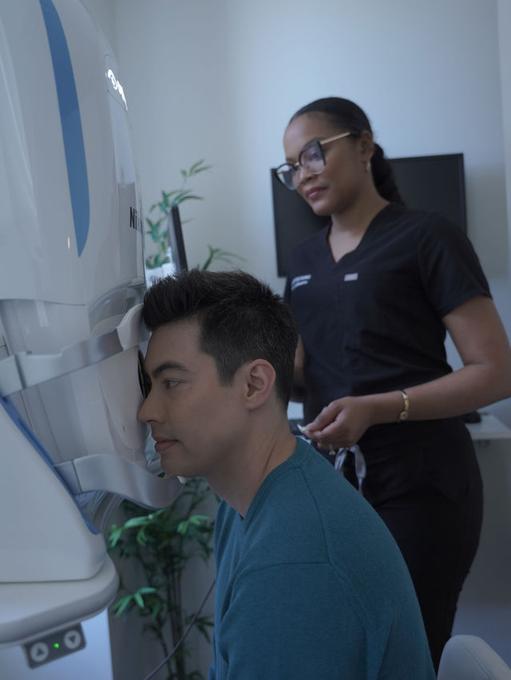
Prevention of Blindness Week is an annual observance dedicated to raising awareness about vision health, promoting eye care, and preventing avoidable blindness. During this week-long campaign, various organizations, healthcare professionals, and communities come together to educate the public about the importance of regular eye exams, early detection of eye conditions, and adopting healthy practices to preserve vision.

The key objectives of Prevention of Blindness Week include:

1. Education and Awareness: Increasing public knowledge about common eye diseases, vision impairments, and the importance of maintaining good eye health through educational programs, seminars, and outreach initiatives.

2. Early Detection and Screening: Encouraging individuals to undergo regular eye screenings and comprehensive eye exams to detect vision problems early and prevent progression to more serious conditions.

3. Promoting Eye Safety: Raising awareness about the importance of eye safety measures, such as wearing protective eyewear during sports or work activities, to prevent eye injuries that could lead to vision loss.

4. Advocacy for Accessible Eye Care: Advocating for accessible and affordable eye care services for all individuals, including underserved communities and those with limited access to healthcare resources.

5. Encouraging Healthy Lifestyle Choices: Promoting healthy lifestyle habits that support overall eye health, such as maintaining a balanced diet rich in nutrients beneficial to vision, avoiding smoking, and managing chronic health conditions that can affect eye health.

Prevention of Blindness Week

serves as a reminder of the significant impact that vision loss can have on individuals and communities. By emphasizing the importance of proactive eye care, early intervention, and vision-saving measures, this annual campaign aims to reduce the prevalence of avoidable blindness and improve overall eye health outcomes.

view in full page