Publications


Sponsored

Damage or disease can cause the bones or soft tissue in your back to press against the nerves of your spine, resulting in pain. While non-invasive treatments may help in some cases, it’s best to seek advice from a spine specialist if you’re experiencing persistent nerve compression. The team at Gottlieb Spine can provide guidance on whether spinal decompression surgery is right for you.

What is Decompression Surgery?
Decompression surgery is a term to describe spinal procedures that reduce pressure on the spinal cord or nerve roots. While the specific approach taken will vary among procedures, the goal of decompression surgery is all the same: to create more space in the spinal canal, alleviate pressure on the nerves, and provide relief from symptoms like pain or numbness. 

What Decompression Surgery is Best for Lower Back Pain?
Lumbar decompression surgery is targeted to treat lower back pain. This type of decompression is performed on the lumbar spine. Lumbar disc decompression can be accomplished by removing structures in the lower region of the spine, like vertebrae or discs, to create additional space within the spinal canal.

Several procedures fall under the category of lumbar decompression back surgery, including laminectomy, discectomy, and foraminotomy, among others. Your top-rated orthopedic spine surgeon may suggest multiple lumbar spine decompression treatments during one surgery to optimize your surgical outcome.

Orthopedic Spine Center: Dr. Jamie Gottlieb
6121 State Hwy 161, Ste 225
Irving, TX 75038
Tel: (469) 528–1169
Fax: (877) 319–1790

Web Address: https://gottliebspine.com/ 

Our location on the map: https://maps.app.goo.gl/NF62CAhnnTpCWTLs9 

https://plus.codes/8645V2R9+F8 

Nearby Locations:
Hackberry Creek, Las Colinas, Mandalay Place, Broadmoor Hills, Cottonwood Valley, Valley Ranch
75038, 75039, 75063

Working Hours:
Mon — Thu: 9am — 4:30pm
Fri: 9am — 12pm

Payment: cash, check, credit cards.

view in full page

When conservative treatments fail to alleviate your back pain and associated symptoms, spinal reconstruction surgery may be required as a last resort. If it becomes necessary, it is crucial to consult with experienced spinal reconstruction surgeons. At Gottlieb Spine, we have a team of specialists, led by Dr. Jamie Gottlieb, offering this procedure at our convenient location in Irving. Contact us today to determine if you are a candidate for this procedure. 

What is Spinal Reconstruction Surgery?
Spinal reconstruction surgery is a transformative procedure done to correct spinal deformities or misalignments. Reconstructive surgery becomes necessary when the damage or disease affects multiple levels of the spine. Your spine consists of 3 levels, listed from top to bottom:

  • Cervical
  • Thoracic
  • Lumbar

Spinal reconstruction involves fusing the upper and lower vertebral bones to alleviate pain, correct the damage, and help you return to optimal health. The spinal reconstruction and fusion surgery creates a single bone from multiple vertebrae, thus stabilizing the spinal column. This is achieved by removing the damaged or diseased vertebrae and replacing them with an artificial device or bone graft.

Orthopedic Spine Center: Dr. Jamie Gottlieb
6121 State Hwy 161, Ste 225
Irving, TX 75038
Tel: (469) 528–1169
Fax: (877) 319–1790

Web Address: https://gottliebspine.com/ 

Our location on the map: https://maps.app.goo.gl/NF62CAhnnTpCWTLs9 

https://plus.codes/8645V2R9+F8 

Nearby Locations:
Hackberry Creek, Las Colinas, Mandalay Place, Broadmoor Hills, Cottonwood Valley, Valley Ranch
75038, 75039, 75063

Working Hours:
Mon — Thu: 9am — 4:30pm
Fri: 9am — 12pm

Payment: cash, check, credit cards.


view in full page

One of the most distinguished and experienced orthopedic spine doctors in Taxes provides orthopedic care to everyone, regardless of age, gender, and specific spinal conditions. Our spinal surgeons use an evidence-based and time-tested approach to spine care, offering our surgical patients honest and open communication as a base for trusted doctor-patient relationships.

Our center is affiliated with the University of Texas Southwestern Medical Center, the most prestigious surgery center in Texas, ranked as one of the 20 best hospitals in the nation.

The goal of our center is to effectively relieve symptoms of various spinal health issues, improve patients’ health and well-being, and help them enjoy a pain-free life. Call Orthopedic Spine Center today to schedule a consultation or learn more about our outstanding practice.

Orthopedic Spine Center: Dr. Jamie Gottlieb
6121 State Hwy 161, Ste 225
Irving, TX 75038
Tel: (469) 528–1169
Fax: (877) 319–1790

Web Address: https://gottliebspine.com/ 

Our location on the map: https://maps.app.goo.gl/NF62CAhnnTpCWTLs9 

https://plus.codes/8645V2R9+F8 

Nearby Locations:
Hackberry Creek, Las Colinas, Mandalay Place, Broadmoor Hills, Cottonwood Valley, Valley Ranch
75038, 75039, 75063

Working Hours:
Mon — Thu: 9am — 4:30pm
Fri: 9am — 12pm

Payment: cash, check, credit cards.

view in full page

What Is Abdominal Pain?

If you’re suffering from abdominal pain in Manhattan or one of the other boroughs, it can be a mild inconvenience treatable with over-the-counter remedies or a sign of a severe illness that requires immediate attention from a gastroenterologist.
Abdominal pain should always be evaluated with a thorough consultation and examination by a gastroenterologist for an accurate diagnosis and treatment plan, as it may be a symptom of a severe illness or condition. There are multiple causes of stomach pain that should be investigated by a top GI specialist. Abdominal pain can be acute or chronic, and it can result from problems with the stomach, appendix, gallbladder, spleen, bowel, liver, or gynecological issues.

Therefore, it is critical that you see our practice’s doctor for an examination and further investigation to determine the source of your pain. If you’re experiencing abdominal pain in the Upper East Side, your problem deserves to be addressed by a best-in-class gastroenterologist.

Read more:https://www.manhattangastroenterology.com/conditions/abdominal-pain/

Working Hours:
Monday: 7:30 am - 7:00 pm
Tuesday: 7:30 am - 7:00 pm
Wednesday: 7:30 am - 7:00 pm
Thursday: 7:30 am - 7:00 pm
Friday: 7:30 am - 7:00 pm
Saturday: CLOSED
Sunday: CLOSED

Payment: cash, check, credit cards.

Manhattan Gastroenterology
80 Maiden Ln, Suite 1204
New York, NY 10038
(646) 813-2095

https://www.manhattangastroenterology.com/gastroenterologist-downtown-financial-district/

Location on the map: 

https://maps.app.goo.gl/xXW8HAq2qUFeaX2d8

https://plus.codes/87G7PX4R+RV

Nearby Locations:
Lower East Side | Chinatown | Battery Park City | Soho | Tribeca
10038, 10002, 10003, 10004, 10009, 10012, 10013, 10014


Find Your Nearest Location Below:
Lenox Hill
Manhattan Valley
Upper West Side
Lincoln Square
Hells Kitchen
Carnegie Hill
Yorkville

view in full page

What Is Rectal Bleeding?
Rectal bleeding (medically known as hematochezia) refers to any blood passing from your anus. However, rectal or anal bleeding is commonly assumed to refer to bleeding from the rectum or your colon. It can manifest as blood in your stool, toilet paper, or the toilet bowl. The blood in the stool caused by rectal bleeding from the anus can range from bright red to dark maroon to a dark tarry color.

Rectal bleeding can be a symptom of colorectal or anal cancer, which can be treated if caught early. In addition to a complete physical exam and medical history, colonoscopy is the gold standard for visual evaluation of your colon for an accurate diagnosis. It can detect polyps, mass lesions, abnormalities of the intestine lining, and a variety of other causes of your symptoms.

This condition can also be caused by bleeding hemorrhoids, anal fissures, colitis, or other diagnosable and treatable conditions. Disorders higher up in the digestive tract can also lead to bleeding from the anus.

For these reasons, consulting an experienced gastroenterologist is the first step in determining the underlying causes of rectal bleeding and the best hematochezia treatment options. To perform the proper treatment, we must first correctly diagnose the cause. Internal hemorrhoids and anal fissures are two common causes of rectal bleeding. Colonoscopy, in combination with a thorough physical exam, is the gold standard for visual evaluation of the colon for diagnosis. We can treat these diseases more effectively if we diagnose, detect, and address them early.

Read more: https://www.manhattangastroenterology.com/conditions/rectal-bleeding/

Working Hours:
Monday: 7:30 am - 7:00 pm
Tuesday: 7:30 am - 7:00 pm
Wednesday: 7:30 am - 7:00 pm
Thursday: 7:30 am - 7:00 pm
Friday: 7:30 am - 7:00 pm
Saturday: CLOSED
Sunday: CLOSED

Payment: cash, check, credit cards.

Manhattan Gastroenterology
80 Maiden Ln, Suite 1204
New York, NY 10038
(646) 813-2095

https://www.manhattangastroenterology.com/gastroenterologist-downtown-financial-district/

Location on the map: 

https://maps.app.goo.gl/xXW8HAq2qUFeaX2d8

https://plus.codes/87G7PX4R+RV

Nearby Locations:
Lower East Side | Chinatown | Battery Park City | Soho | Tribeca
10038, 10002, 10003, 10004, 10009, 10012, 10013, 10014


Find Your Nearest Location Below:
Lenox Hill
Manhattan Valley
Upper West Side
Lincoln Square
Hells Kitchen
Carnegie Hill
Yorkville

view in full page
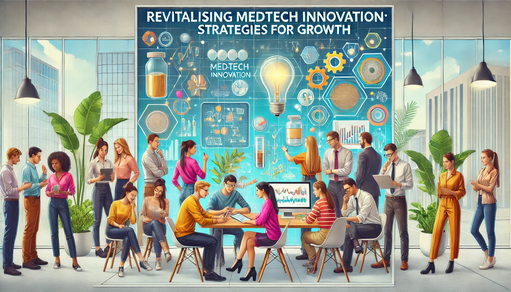
  • Traditional MedTech companies face growth challenges as M&A slows, prompting a shift towards leveraging corporate culture for competitive advantage
  • Emphasising a strong corporate culture enhances employee engagement, compliance, agility, and aligns with strategic goals, fostering sustainable growth
  • Leaders should focus on training, communication, ethical behaviour, and strong leadership to create a proactive, quality-focused culture
  • Case studies highlight the importance of a clear vision, engaged leadership, collaboration, and continuous adaptation to drive innovation and success

Let’s Get Serious About Corporate Culture
 

Many established MedTech companies with legacy products in slow-growing markets face challenges in enhancing growth, adding value, and developing a competitive edge. Historically, their growth largely relied on mergers and acquisitions (M&A), which expanded their size but not necessarily their capabilities. As the industry matured, M&A activity slowed, especially in the medical device sector.

With a tightening market and changing business environment, enterprises are seeking alternative strategies for growth and competitiveness. Corporate culture is emerging as a determinant of organisational success, yet many leaders struggle to understand and implement effective cultural strategies.

M&A often prioritised financial gains over quality and operational excellence. Acquiring firms sometimes neglected the importance of seamless process integration, resulting in quality and regulatory issues downstream. Such challenges are typically addressed reactively rather than proactively, which often hinders the development of a corporate quality culture. To ensure sustainable growth and product integrity, it is important to emphasise comprehensive training, open communication, ethical behaviour, and strong leadership. These elements create an environment where compliance becomes an integral part of the company's fabric, fostering long-term success and resilience.

Corporate culture - shared values, beliefs, and practices - drives growth, and competitive advantage. For companies where innovation and market responsiveness are crucial, supporting a robust corporate culture can lead to increased compliance, greater agility, enhanced employee engagement, and stronger alignment with strategic objectives.

Some corporations face challenges rooted in entrenched practices and hierarchical structures, often encountering resistance to change, siloed departments, and a lack of a cohesive vision. Despite these obstacles, developing a corporate culture that promotes collaboration, innovation, and a shared sense of purpose is essential. Embracing cultural transformation can turn challenges into opportunities for differentiation and growth, allowing companies to achieve sustained success in an increasingly competitive and dynamic market.

 
In this Commentary

This Commentary examines the role of corporate culture in established MedTech companies, highlighting its significance in driving organisational success amidst rapid change and increasing competition. It analyses the impact of corporate culture on employee interactions, company dynamics, and strategic outcomes, emphasising its role in shaping decision-making and fostering employee engagement. It addresses the challenges faced by enterprises burdened bylegacy practices, advocating for a proactive approach to cultivating a culture supportive of collaboration, innovation, and purpose. Drawing from real-world examples, it distils actionable insights for companies, stressing the significance of a clear vision, strong leadership, and ongoing adaptation in nurturing a resilient corporate culture essential for sustained excellence in a dynamic marketplace.
 
Understanding Corporate Culture

Corporate culture is the collective set of values, beliefs, attitudes, and behaviours shared by members of an organisation. It encompasses vision, norms, systems, symbols, language, assumptions, and habits, defining how employees interact internally and with external stakeholders. Components of corporate culture include the company’s mission and vision, which provide direction and purpose; values that guide decision-making and behaviour; rituals and ceremonies that reinforce cultural messages; and communication styles that ensure consistent and effective information flow. Additionally, leadership style, workplace environment, and reward systems play important roles in embedding and perpetuating the culture.

A strong, positive corporate culture aligns the workforce with enterprise goals, fostering belonging and purpose. It drives employee engagement, leading to higher productivity and innovation. For MedTech enterprises, a culture emphasising collaboration and continuous improvement can accelerate product development and enhance regulatory compliance. Additionally, a well-defined culture attracts top talent, strengthens customer relationships, and builds a resilient brand. Corporate culture is a strategic asset that differentiates a company, driving long-term success and sustainability.

 
Assessing the Current State of Corporate Culture

A culture audit is important to assess the existing cultural landscape. This involves evaluating the alignment between the company's stated values and the actual behaviours and attitudes of its employees. It includes gathering qualitative and quantitative data through surveys, interviews, and observation to identify prevailing norms, beliefs, and practices.


Conducting such an audit allows enterprises to pinpoint both strengths and weaknesses within their corporate culture. Identifying strengths, such as high employee engagement or a strong commitment to innovation, highlights areas to reinforce and leverage. Conversely, recognising weaknesses, like departmental silos or pockets of resistance to change, provides insights for improvement.
You might also like:
 
By assessing these cultural attributes, enterprises can develop targeted strategies to address gaps and build on strengths. Such an approach ensures that corporate culture evolves to support strategic goals, enhance operational efficiency, and advance a positive work environment. A well-executed audit is essential to transform corporate culture into a strategic driver of growth and success.
 
Aligning Corporate Culture with Strategic Objectives

The first step is to establish a clear vision and values that resonate throughout the organisation. The vision articulates the company's aspirations, while values provide guiding principles for decision-making. Consistent communication and integration of these elements into every aspect of the enterprise helps to ensure a unified direction.

Integrating culture into strategic planning means embedding it into core initiatives and operational plans, not treating it separately. Cultural initiatives should be woven into strategic goals, from improving quality and processes to ensuring regulatory compliance. For example, a company that prioritises excellence in quality should incorporate rigorous standards and continuous improvement practices into its strategic plan. Aligning corporate culture with strategic objectives supports a motivated workforce fully engaged in the company’s mission. This ensures cultural strengths drive performance, enhance employee satisfaction, and deliver superior outcomes.

 
Driving Growth through Corporate Culture

Fostering a culture of innovation and agility empowers organisations to swiftly adapt to technological advancements and market shifts. By nurturing an environment that values creativity, companies can support R&D, encourage cross-functional collaboration, and celebrate innovative ideas.

Agility requires a flexible organisational structure, empowering employees to make decisions, streamline processes, and maintain open communication for rapid information flow. Encouraging calculated risk-taking and learning from failures is also important. Employees should feel free to experiment without fear of punitive repercussions, with leaders demonstrating tolerance of failure and framing mistakes as learning opportunities.

 
Enhancing Value through Employee Engagement

To develop a motivated and committed workforce, it is essential to instil a sense of purpose and belonging among employees. When individuals understand their contributions align with the enterprise's mission they feel valued, and their engagement levels rise. Achieving this can be facilitated through recognition programmes, professional development opportunities, and a supportive work environment emphasising work-life balance.

Effective communication and collaboration practices are also important. Transparent communication keeps employees informed about company goals and progress. Regular town hall meetings, newsletters, and an open-door policy facilitate this. Encouraging cross-functional collaboration breaks down silos and promotes teamwork. Collaborative tools, cross-functional projects, and team-building activities are essential.

When employees are engaged and feel a part of a cohesive, communicative, and collaborative culture, their productivity and satisfaction increase. This not only enhances individual performance but also drives the overall success and value of the organisation. Engaged employees are more likely to contribute to innovation, improve customer relationships, and support sustainable growth.

 
Bolstering Competitive Advantage with a Strong Culture

Creating a unique culture starts with identifying and emphasising values and practices that align with the organisation’s mission and vision. Such an identity should resonate with both employees and stakeholders, encouraging an environment that prioritises innovation, customer-centricity, or cutting-edge technology. As a result, it attracts top talent and drives loyalty.

Leveraging culture for brand building and market positioning further enhances competitive advantage. A strong corporate culture becomes a key element of the enterprise’s brand, influencing market perception. For instance, a culture of continuous innovation can position a company as a leader in technological advancements, appealing to customers seeking the latest medical solutions. Consistently communicating cultural values through marketing and customer interactions reinforces this positioning.

A well-cultivated culture differentiates corporations from competitors, driving brand loyalty, attracting top-tier talent, and ensuring sustained market relevance and growth.

 
Corporate Culture and Regulatory Compliance

A positive and pervasive corporate culture can enhance a company's ability to maintain continuous FDA compliance. Firstly, a culture that prioritises quality and safety ensures all employees understand the importance of compliance, encouraging attention to detail and proactive issue resolution. Secondly, engaged employees in a positive culture exhibit a strong sense of accountability, diligently following protocols and contributing to continuous improvement. Comprehensive training programmes in such cultures keep employees well-versed in FDA regulations, minimising non-compliance risks. Open communication and transparency enable employees to report compliance concerns without fear, facilitating prompt corrective actions. Ethical decision-making, promoted by a positive culture, discourages cutting corners and aligns operations with regulatory standards. In such environments, strong leadership emphasises compliance as a core value, offering essential guidance and resources. A supportive culture also builds resilience and adaptability, important for navigating regulatory changes.
 
Steps to Develop an Effective Corporate Culture

Leadership commitment and role modelling are important first steps, as leaders must visibly demonstrate the desired cultural attributes in their actions and decisions. This sets a tone that cultural transformation is a priority.
You might also like:

A Third Way Growth Strategy for MedTechs
Training and development programmes are essential for embedding the new culture. These should educate employees about the core values, behaviours, and practices defining the culture. Regular workshops, seminars, and online modules can reinforce these concepts, ensuring employees understand and contribute to the cultural shift.
Recognition programmes that highlight and reward behaviours aligning with the desired culture reinforce positive actions and motivate employees. This can include awards, public recognition, or incentive projects tied to cultural goals.

By combining strong leadership, training, and a recognition system, companies can implement and sustain a culture that supports strategic objectives, drives innovation, and enhances overall performance.

 
Measuring and Sustaining Cultural Transformation

Key metrics for evaluating culture impact include employee engagement scores, turnover rates, and productivity levels. Utilising surveys and feedback mechanisms provides insights into employee sentiment and alignment with cultural values. By monitoring these indicators, organisations can celebrate the successes of their cultural initiatives, and identify opportunities for further enhancement, ensuring a thriving and cohesive workplace.

Continuous improvement and adaptation are essential for sustaining cultural transformation. This process involves regularly reviewing and refining cultural practices based on feedback and performance data. Leaders should remain flexible, adapting strategies to address emerging challenges and opportunities while maintaining accountabilty for their actions. It is unacceptable for senior managers to sidestep their responsibilities by delegating them to lower-ranking managers. Regularly revisiting the company’s vision and values ensures they remain relevant and inspiring, keeping the organisation aligned and motivated.

By systematically measuring cultural impact and committing to ongoing refinement, companies can ensure their culture remains a dynamic, integral part of their strategic success, driving long-term growth and resilience in a competitive market.

 
Case Studies and Best Practices

Medtronic revitalised its culture by emphasising patient-centricity and innovation. This focus engaged employees, improved morale, and bolstered productivity. Training programmes and leadership initiatives reinforced these values, resulting in a cohesive and motivated workforce. Boston Scientific transformed its culture by concentrating on agility and continuous improvement. Open communication and cross-functional collaboration broke down silos and accelerated innovation. Leadership played a role by modelling desired behaviours and creating a transparent, and inclusive environment. Key lessons from these transformations support our discourse and highlight the role of a clear vision and values, strong leadership commitment, and the integration of cultural initiatives into everyday practices. 
 
Takeaways

The emphasis on corporate culture within companies is not just a strategic choice but a necessity in today's fast-paced and competitive landscape. By encouraging a culture that aligns with their strategic objectives, corporations can enhance innovation, agility, and employee engagement: key factors for sustained growth and success. Addressing the challenges of entrenched practices and regulatory constraints through a well-defined, adaptable culture allows enterprises to navigate and leverage market changes effectively. A robust corporate culture is more than a set of values and practices; it is an asset that can drive differentiation, attract top talent, and build a resilient brand. As MedTechs continue to evolve, prioritising and nurturing a strong corporate culture will be pivotal in achieving long-term competitiveness and organisational excellence.
view in full page

What Is Abdominal Pain?

If you’re suffering from abdominal pain in Manhattan or one of the other boroughs, it can be a mild inconvenience treatable with over-the-counter remedies or a sign of a severe illness that requires immediate attention from a gastroenterologist.
Abdominal pain should always be evaluated with a thorough consultation and examination by a gastroenterologist for an accurate diagnosis and treatment plan, as it may be a symptom of a severe illness or condition. There are multiple causes of stomach pain that should be investigated by a top GI specialist. Abdominal pain can be acute or chronic, and it can result from problems with the stomach, appendix, gallbladder, spleen, bowel, liver, or gynecological issues.

Therefore, it is critical that you see our practice’s doctor for an examination and further investigation to determine the source of your pain. If you’re experiencing abdominal pain in the Upper East Side, your problem deserves to be addressed by a best-in-class gastroenterologist.

Read more:https://www.manhattangastroenterology.com/conditions/abdominal-pain/

Working Hours:
Monday: 7:30 am - 7:00 pm
Tuesday: 7:30 am - 7:00 pm
Wednesday: 7:30 am - 7:00 pm
Thursday: 7:30 am - 7:00 pm
Friday: 7:30 am - 7:00 pm
Saturday: CLOSED
Sunday: CLOSED

Payment: cash, check, credit cards.

Manhattan Gastroenterology
80 Maiden Ln, Suite 1204B
New York, NY 10038
(646) 813-2095

https://www.manhattangastroenterology.com/gastroenterologist-downtown-financial-district/

Location on the map: 

https://maps.app.goo.gl/xXW8HAq2qUFeaX2d8

https://plus.codes/87G7PX4R+RV

Nearby Locations:
Lower East Side | Chinatown | Battery Park City | Soho | Tribeca
10038, 10002, 10003, 10004, 10009, 10012, 10013, 10014

view in full page
  • AI is the invisible hand of 21st-century capitalism
  • AI transforms economies by automating tasks, optimising resource allocation, and boosting productivity across industries
  • It drives innovation and growth in healthcare, finance, manufacturing, and transportation, while raising ethical and community related concerns
  • Addressing AI's ethical implications, investing in technical education and retraining are essential for equitable benefits and the wellbeing of society
 
AI: The New Wealth of Nations

In 1776, Adam Smith, a Scottish economist known as the father of Capitalism, published An Inquiry into the Nature and Causes of the Wealth of Nations, which laid the foundation for modern economics and introduced the concept of the invisible hand of capitalism, which describes how individual self-interest can benefit society through the efficient allocation of resources. This work became the cornerstone of the Industrial Revolution and modern capitalist society, transforming economies by emphasising the division of labour and market-driven growth. In the 21st century, artificial intelligence (AI) emerges as the invisible hand, poised to herald a new era of capitalism.

AI distinguishes itself from previous technologies through its ability to process vast amounts of information, make decisions, and implement outcomes with speed and accuracy far beyond human capability. Just as the division of labour allowed for increased productivity in Adam Smith's time, AI automates and optimises tasks, enhancing efficiency across industries. AI systems analyse datasets with unprecedented speed, uncovering insights and innovations that humans might miss. This capability mirrors the invisible hand Adam Smith described, where individual pursuits benefit society.

Moreover, just as Adam Smith argued that free markets lead to wealth generation, the adoption and integration of AI can democratise opportunities, creating new markets for economic development. Nations and corporations that embrace AI technology are positioned to gain competitive advantages, akin to how industrialised nations and leading companies surged ahead during the Industrial Revolution. AI stands as the new cornerstone of wealth creation, transforming economies, driving innovation, and reshaping the global economic landscape, echoing the impact of Adam Smith's principles in a contemporary context.

This being the case, we stand on the cusp of another economic revolution, driven not by the incremental advancements of traditional technologies but by the transformative power of AI, which ensures optimal resource allocation, minimises inefficiencies, and impacts individuals, organisations, communities, industries, and society. AI is not just enhancing human labour but redefining it, ensuring a future where economic growth and societal benefits are more aligned than ever before.

 
In this Commentary

This Commentary explores how AI emerges as the new invisible hand of capitalism, transforming our global economy. Drawing an analogy to Adam Smith’s principles, we highlight AI's ability to process vast amounts of data, optimise resource allocation, and enhance efficiency across various sectors. The Commentary delves into AI’s impact on individuals, organisations, communities, and industries, demonstrating its potential to drive innovation and economic growth. Additionally, it addresses AI’s ethical and societal implications, emphasising the need for inclusive policies to ensure benefits from the technology are equitably distributed and contribute to a more prosperous and sustainable future.
 
The Rise of AI and Its Economic Significance

AI, the ability of a machine to imitate intelligent human behaviour, has evolved from theoretical concepts to practical applications, embedding itself into the fabric of modern society. Unlike previous technological advancements, AI's capacity to learn from data, adapt to new information, and perform tasks traditionally requiring human intelligence, represents a significant shift in how industries operate and innovate.

In healthcare, AI enhances diagnostic accuracy and personalises treatment plans by analysing vast amounts of medical information and identifying patterns that might be missed by health professionals. Algorithms can detect diseases like cancer at early stages, substantially improving patient outcomes.
You might also like:
In finance, AI optimises trading strategies by processing real-time market data and executing trades at speeds unattainable by humans, while also enhancing risk management through predictive analytics. Fraud detection systems powered by AI can analyse transaction patterns to identify suspicious activities, safeguarding financial institutions and their customers.

The manufacturing sector benefits from AI through automation and predictive maintenance, which boosts efficiency and reduces costs. Smart manufacturing uses AI to monitor equipment in real-time, predicting failures before they occur and minimising downtime.

Transportation systems leverage AI for route optimisation and the development of autonomous vehicles, transforming logistics and urban planning. AI-driven traffic management systems can reduce congestion and improve safety on the roads.

AI's impact extends to agriculture with precision farming techniques, where drones and sensors monitor crop health and soil conditions, leading to higher yields and sustainable farming practices. In customer service, AI-driven chatbots and recommendation systems provide personalised experiences and improve customer satisfaction.

Such widespread adoption across various sectors not only drives economic growth but also enhances productivity and innovation. As a force in shaping the global economy, AI continues to redefine the boundaries of what machines can achieve, promising a future where intelligent systems are integral to everyday life.
Optimal Resource Allocation

One of the principles of Adam Smith's economic theory is the efficient allocation of resources. In economies, this is achieved through the interplay of supply and demand, where the invisible hand guides resources to their most productive uses. AI elevates this concept to a new level. By analysing datasets in real-time, it can identify inefficiencies and develop processes with a precision unattainable by human efforts alone.

In supply chain management, for instance, algorithms can predict demand fluctuations, manage inventory levels, and streamline logistics. This reduces waste, lowers costs, and ensures that products are available where and when they are needed. Companies like Amazon and Walmart have harnessed AI to transform their supply chains, resulting in faster deliveries and higher customer satisfaction. Similarly, in agriculture, AI-powered systems can monitor crop health, predict yields, and regulate irrigation, leading to more sustainable and efficient farming practices. In healthcare, AI is transforming diagnostics by employing machine learning to detect early signs of diseases, enhancing patient care.

 
Minimising Inefficiencies

Flaws in any system represent lost opportunities and wasted resources. Traditional methods of identifying and addressing these are often reactive and limited in scope. AI, on the other hand, offers a proactive approach, continuously monitoring and optimising operations to minimise inefficiencies.
You might also like:

The Shifting Landscape of ESG Reporting in the MedTech Industry

In the energy sector, AI can enhance grid management by predicting demand, optimising energy distribution, and integrating renewable energy sources more effectively. This leads to reduced waste and lower costs for consumers. In healthcare, AI can streamline administrative processes, improve patient care through personalised treatment plans, and predict disease outbreaks, thereby reducing the burden on healthcare systems and promoting overall public health.
Moreover, AI's ability to process and analyse unstructured data, such as text, images, and videos, allows it to uncover hidden patterns and insights that would otherwise go unnoticed. This capability is valuable in areas like fraud detection, where AI can analyse transaction data to identify suspicious activities in real-time, preventing financial losses and enhancing security.
 
AI's Impact on Individuals and Organisations

At the individual level, AI is transforming the way we live and work. From tailored recommendations on streaming platforms to virtual assistants that manage our daily schedules. In education AI-powered tutoring systems cater for individual learning styles and paces, offering support and improving educational outcomes.

For organisations, AI provides a competitive advantage by enabling data-driven decision-making and enhancing operational efficiency. Businesses can leverage AI to gain insights into customer behaviour, refine marketing strategies, and improve product development, driving growth and fostering innovation through rapid iteration based on real-time feedback.

AI also has the potential to transform the workforce. Although concerns about job displacement exist, AI can augment human capabilities and create new opportunities. In manufacturing, AI-powered robots can handle repetitive tasks, allowing human beings to focus on more complex and creative aspects of production. In healthcare, AI assists doctors in diagnosing diseases, freeing up time for patient care and reducing burnout. Additionally, robotic-assisted surgeries have improved surgical precision, enabling more complex and minimally invasive procedures.

 
Community Development

Beyond individuals and organisations, AI has the power to transform communities. Smart cities, which leverage AI to optimise urban infrastructure and services, are examples of this potential. By analysing data from sensors and cameras, AI can improve traffic management, reduce energy consumption, and enhance public safety. This leads to more liveable and sustainable cities, improving the quality of life for residents. In NEOM, the futuristic city being developed in Saudi Arabia, AI is being integrated into every aspect of urban planning and governance. From automated transportation systems to AI-driven energy grids and smart housing. NEOM aspires to become a paradigm of a sustainable and technologically advanced urban environment, showcasing the transformative capabilities of AI on a grand scale.

AI can also play a role in addressing social challenges. For instance, predictive analytics can help identify at-risk students in schools, enabling timely interventions and reducing dropout rates. In disaster management, AI can analyse data from various sources to predict natural disasters and coordinate emergency response efforts, potentially saving lives and reducing damage. Moreover, AI-driven platforms can facilitate greater civic engagement by providing citizens with real-time information and opportunities to participate in decision-making processes. This can lead to more transparent and accountable governance, as well as more inclusive and resilient communities.

 
Influence on Industries

AI's power extends across industries, reshaping their landscapes. In finance, algorithms are transforming trading strategies, risk management, and customer service. High-frequency trading, driven by AI facilitates faster and more accurate trading decisions, while AI-powered chatbots provide personalised financial advice and support.

In healthcare, AI is changing diagnostics, treatment, and drug discovery. Machine learning models analyse medical images to detect diseases early, improving patient outcomes. AI also accelerates drug development by identifying potential candidates and predicting their effectiveness, thereby reducing the time and cost associated with clinical trials.

In manufacturing, AI-powered robots and automation systems enhance production efficiency and quality control. Predictive maintenance, enabled by AI, reduces downtime and extends the lifespan of machinery, leading to cost savings.

 
Societal Implications

As AI continues to evolve, it raises ethical and societal questions. The concentration of AI capabilities in the hands of a few tech giants poses challenges related to data privacy, security, and inequality. Ensuring that the benefits of AI are distributed equitably requires thoughtful regulation and policies that promote transparency, accountability, and inclusivity.

Education and workforce development are critical to preparing society for the AI-driven future. Investing in science, technology, engineering, and mathematics (STEM) education and retraining programmes can equip individuals with the skills needed to thrive in an AI-dominated economy. Additionally, promoting a culture of lifelong learning and adaptability is essential, as the pace of technological change accelerates.

 
Takeaways

AI emerges not just as a technological advancement but as the new cornerstone of global economic evolution, akin to Adam Smith's invisible hand that shaped the Industrial Revolution. Its ability to process vast amounts of data and optimise resource allocation transcends traditional methods, promising unprecedented efficiency, and innovation across industries. Just as Adam Smith's principles drove economies forward by harnessing individual self-interest, AI enhances productivity and decision-making, driving societies towards new heights of prosperity. However, the transformative power of AI also necessitates consideration of its ethical and societal implications. The concentration of AI capabilities among a few entities raises concerns about privacy, security, and equitable access to benefits. Effective regulation and inclusive policies are important to ensure AI benefits society, promoting transparency and mitigating potential inequalities. As we navigate this era of AI-driven progress, investing in education and workforce readiness becomes important. Equipping individuals with the skills to thrive in a technology-dominated landscape is essential for encouraging innovation and maintaining societal wellbeing. In this rapidly evolving era, AI is not just a tool for economic growth but a catalyst for a more intelligent and connected world, heralding a new chapter in the wealth of nations.
view in full page
  • Value creation in the MedTech industry has recently slowed
  • Companies face disruptions from a volatile macroeconomic environment, unpredictable supply chains, and rising geopolitical tensions
  • Traditional firms face challenges with mature products in slow-growing markets, compounded by predominantly older, mostly male, senior managers
  • Leaders must revamp their people strategies to support growth, enhance value, and boost competitiveness
  • Attracting, developing, and retaining Generation Z talent helps maintain a strong leadership pipeline and long-term agility

Is MedTech ready for Gen Z?

In the dynamic landscape of MedTech, innovation, digital expertise, adaptability, and a deep understanding of market trends are essential for success. The industry stands as a testament to US manufacturing prowess, characterised by rapid innovation and exacting development processes. However, traditional enterprises with established product portfolios in slow-growing markets, led predominantly by older managers, may be challenged to maintain and enhance their success in the coming decade. Integrating Generation Z (Gen Z) into the workforce presents a potential solution. As digital natives, Gen Z is adept at leveraging new technologies, values access to information, and prioritises sustainability, diversity, and inclusivity - traits they expect corporations to embody. Yet, attracting and retaining their talent requires traditional corporations to undergo cultural adaptations.

The current leadership demographic within large MedTechs is predominantly older males, with the average age of C-suite executives ~56 and a substantial proportion of managers >50. Despite women constituting ~50% of the workforce and making most household healthcare decisions, they occupy only ~23% of executive leadership roles in the largest medical device companies. This senior management composition underscores the experience and industry-specific knowledge deemed necessary for these positions, with many executives having >25 years in the field. However, the traditional approaches and possible resistance to change within this group can conflict with the aspirations of Gen Z employees, creating barriers to an inclusive and innovative work environment.

As the MedTech industry anticipates changes in the next five to ten years, integrating the younger generation into the workforce is essential for ensuring sustained growth, and enhanced value. Their adeptness with digital technology, novel viewpoints, and alignment with contemporary values are indispensable for fostering innovation and securing a leading position in the market. Effectively harmonising the seasoned expertise and stability of senior managers with the dynamism and digital fluency of Gen Z employees is critical for the future success of MedTech companies, despite the challenges it entails.

A March 2024 report from Newsweek revealed that ~40% of hiring managers exhibit an age bias against younger candidates. If such bias exists in the MedTech industry, it poses an obstacle to integrate Gen Z capabilities into the workforce. Additionally, seasoned managers may undervalue the skills and potential of younger employees, thereby limiting opportunities for them despite their competencies. Addressing these issues is necessary to create a diverse and inclusive workplace where talent is prioritised over age, ensuring the future success of traditional companies.

 
Technological Adaptability

Integrating Gen Z into MedTechs introduces a familiarity with modern technology. Growing up with the internet, smartphones, and social media has endowed this generation with digital fluency. Their adeptness in navigating and leveraging new social tools is indispensable for companies that depend on technological advancements.
In contrast, older managers, despite their experience, may not possess the same level of comfort and proficiency with emerging technologies. This generational technology gap can lead to slower adoption of innovative solutions and impede the company's progress. Recruiting younger employees helps enterprises adopt the latest technologies and integrate them into their operations.
You might also like:

Reimagining Boards
Innovation is the lifeblood of the MedTech industry. Gen Z, with their perspectives and forward-thinking mindset, can drive the development of new products and services. They are more inclined to think creatively, challenge established norms, foster cross-functional collaboration, and propose novel solutions to existing problems. This spirit of innovation can encourage corporations to develop new offerings that meet the evolving needs of healthcare providers and patients.

Understanding Market Trends

As older generations become a significant market segment, they will drive demand for age-related health solutions and services. Recognising their needs, preferences, behaviours, and expectations is essential for effective product development and marketing. This is why integrating Gen Z employees, who possess expertise in modern tools, social media, and innovative trends can help companies effectively connect with both older and younger consumers by offering new insights. Their perspectives complement the experience of seasoned managers, ensuring the company remains attuned to current market dynamics. Additionally, their expertise in digital marketing and understanding of online consumer behaviour can enhance an enterprise's market relevance through targeted campaigns and engaging digital platforms.

You might also like:

The Silent Obstacle to MedTech Growth and Value Creation

Corporate Culture

Corporate culture is pivotal in attracting and retaining talent. Gen Z values inclusive, diverse, and flexible workplaces that support continuous learning, offer growth opportunities, and foster a sense of belonging. In contrast, incumbent managers may not always prioritise these aspects, leading to a culture that fails to resonate with younger employees and complicates recruitment efforts. New team members are likely to drive initiatives that promote diversity and inclusion, advocate for flexible work arrangements, and champion continuous learning and development.
This cultural shift not only attracts talent but also enhances employee satisfaction and retention. A company whose corporate culture values and supports younger employees, offering them career advancement prospects, fosters their sense of loyalty and commitment. When provided with a supportive and engaging work environment, Gen Z is more likely to remain and contribute to the enterprise's long-term success. By investing in their professional development and recognising their contributions, corporations can retain top talent and build a strong workforce for the future.

Leadership Pipelines

Ensuring a robust leadership pipeline is crucial for the sustainability of MedTechs, especially as long-tenured managers retire. Gen Z, with their innovative ideas, are well-positioned to become the future leaders of the industry. Developing this pipeline requires intentional strategies and programmes. Companies must invest in leadership development initiatives that identify and nurture young talent, provide opportunities for career advancement and encourage cross-functional collaboration.

Effective transfer of expertise from older to younger employees is important for maintaining continuity and leveraging the experience of seasoned managers. This preserves valuable insights, helps to bridge the generation gap and fosters a culture of mutual respect and collaboration. It also contributes to a vibrant corporate culture that values diversity, continuous learning, and innovation, ultimately enhancing the company’s market position and long-term success.

 
Agility and Responsiveness

The MedTech industry is marked by rapid shifts and frequent disruptions, necessitating companies to maintain adaptability and quick responsiveness to stay ahead. Established managers often possess crisis management experience, but may exhibit less flexibility and slower response times. In contrast, Gen Z excels in dynamic environments, embraces innovation and drives swift reactions. They introduce urgency and a readiness to experiment with novel approaches, bolstering an enterprise’s capability to quickly adapt to emerging technologies, evolving market conditions, and new regulatory requirements.

This flexibility is crucial for long-term success in the industry. Gen Z’s perspectives can contribute to strategic decisions that drive growth and innovation. They are more likely to challenge traditional business models, explore new markets, and advocate for bold strategies that position the corporation for future success. Incorporating younger talent into decision-making processes can lead to more innovative and forward-thinking approaches. Their insights, together with the experience of seasoned managers, can help enterprises stay ahead of industry trends, capitalise on emerging opportunities, and maintain a leading position.

 
Risks of Not Integrating Younger Talent

An established management team may resist change, leading to a gradual decline in innovation. Such unintentional resistance can stifle the development of new products and technologies, ultimately causing a loss of market share. As market trends and consumer preferences evolve, companies must adapt to stay relevant. A long-standing management team may be challenged to keep pace with these changes, resulting in products and services that fail to resonate with the market, thereby reducing customer loyalty and revenue.

In the MedTech industry, continuous innovation and adaptation are crucial for maintaining a competitive edge. Without the input and influence of Gen Z, corporations risk falling behind more progressive competitors, jeopardising long-term growth and success. Integrating younger talent can help companies remain agile, forward-thinking, and in tune with the latest market demands.

 
Recruitment Challenges and Solutions

To effectively recruit and retain Gen Z, MedTech companies need to adapt their corporate cultures and managerial styles to align with the young workforce's expectations. Shifting from a top-down approach to one that values collaboration and inclusivity is crucial. Prioritising work-life balance is essential, as nearly half of Gen Z values it highly in their employment choices. Addressing mental health proactively and providing resources and support can appeal to and retain young talent.

Offering skill development and clear career progression pathways is vital, as a significant portion of Gen Z is willing to leave jobs that lack these opportunities. Managers should focus on understanding individual strengths and preferences, providing tailored coaching and assignments to enhance job satisfaction and performance. Building genuine connections through empathy and honest communication cultivates a supportive work environment and increases loyalty. Flexible work patterns, such as hybrid working, flexible hours, or compressed work weeks, accommodate diverse lifestyles, boosting satisfaction and productivity. 

To address generational divides, companies should implement coaching initiatives and encourage collaborative innovation. Bridging the gap between younger and older employees requires open dialogue, mutual respect, and a willingness to learn from each other's strengths. By developing an inclusive culture that values contributions from all employees, companies can create a cohesive and dynamic workplace, enhancing productivity, and employee satisfaction.

 
Takeaways

The MedTech industry faces a critical moment as value creation slows amidst market disruptions and a challenging macroeconomic landscape. Traditional companies, with mature product portfolios and established leadership, often struggle to maintain agility and adaptability. To navigate these challenges and ensure future growth, leaders should prioritise recruiting, developing, and retaining Gen Z employees. This generation brings crucial digital fluency, fresh perspectives, and a commitment to values like sustainability and inclusivity. Their integration into the workforce is critical for driving creativity and maintaining a competitive edge.

Addressing age biases is important to unlock the potential of Gen Z, fostering a dynamic corporate culture that values inclusion and continuous learning. Balancing the experience of seasoned managers with the digital proficiency of younger employees is key to creating a supportive environment that encourages creativity and adaptability. 

Will MedTech companies be ready to embrace Gen Z's capabilities and perspectives to enhance the industry's responsiveness to market trends and consumer needs? 
view in full page