Publications


Sponsored

Neck pain is a common complaint affecting many people worldwide. It can come from simple things like sitting with poor posture for a long time, especially if you spend a lot of time on the computer or doing work that strains your neck muscles. Occasionally pain in neck muscles and nerves can be more serious, especially if it’s linked to osteoarthritis or another degenerative disease. While neck pain might seem to some to be a minor complain, it can sometimes be a sign of more serious problems. For that reason, it’s important to seek medical advice if you are suffering from unexplained neck pain. In particular, if you experience symptoms like numbness or weakness in your arms or hands, or if the pain spreads into your shoulder or down your arm, it’s important to see a doctor right away. 

What is Neck Pain?

Neck pain appears in many different ways, causing various problems and discomfort that can make it hard to do everyday things. People who suffer with neck pain often feel it getting worse when they keep their head still for a long time, like when they are driving for an extended period or sitting at a desk working on the computer without a lot of movement.

Tight muscles and spasms in the neck can be caused by this lack of movement, but it can also be the result of straining the neck. This might happen through physical work requiring you to hold your head at a slightly awkward angle or through living heavy weights. These situations can make the discomfort worse, making it harder to move your head and sometimes causing headaches.

Although these symptoms may not seem serious, they can have a serious impact on your ability to function and carry out your normal daily activities. To maintain the pain-free mobility of your head, it’s important to take action to manage and treat neck pain early on.

Princeton Brain, Spine and Sports Medicine
731 Alexander Rd #200,
Princeton, NJ 08540
Office tel: (609) 921-9001
Fax: (215) 741-3143

Web address: https://www.princetonbrainandspine.com/ 
Office location: https://www.princetonbrainandspine.com/locations/nj/princeton/ 

Our location on map: https://maps.app.goo.gl/eeozrju3JjgJUGmo8 

https://plus.codes/87G789C7+W4 

Nearby Locations:
Princeton Junction, Plainsboro Center, Princeton North, Lawrenceville, Clarksville
08536, 08540, 08550, 08648

Working Hours: Mon-Fri: 9am-5:00pm

Payment: cash, check, credit cards.

view in full page

Sciatica is a common condition that causes pain, numbness, and tingling in the lower back, buttocks, and legs. The sciatic nerve runs from the lower back down through the hips and buttocks and into each leg. When this nerve becomes compressed or irritated, the resulting pain is known as sciatica. It is characterized by a sharp, shooting pain that radiates down one or both legs, making everyday activities like walking or sitting difficult. 

What is Sciatica?

The sciatic nerve plays a crucial role in providing feeling and movement to the lower body. However, when it’s affected by problems like a herniated disc, arthritis, or excess bone growth, it can lead to pain and inconvenience, the hallmark symptoms of sciatica.

Symptoms of Sciatica

Sciatica often begins in the lumbar spine due to natural degenerative processes and can cause a range of painful symptoms, including:

  • Discomfort typically starts in the lower back and can travel down to the buttocks, thigh, and calf.
  • Sciatica pain intensity can vary from a dull throb to a sharp, shooting sensation.
  • Sometimes, it feels like an electric shock down the leg.
  • Certain actions like coughing, sneezing, or prolonged sitting can worsen symptoms.
  • Sciatica usually affects one side of the body, causing asymmetrical symptoms.
  • Sciatica brings not just pain but also sensory issues that add to the distress of the person suffering.

This might include feelings of numbness, tingling, or weakness in the affected limb, making it harder to use normally. It can be a strange contrast: while one part of the leg is in intense pain, another part feels oddly numb. This mix of sensations highlights the particular characteristic of sciatica, blending different feelings to contribute to your discomfort.

Read more: https://www.princetonbrainandspine.com/conditions/spinal/sciatica/ 

Princeton Brain, Spine and Sports Medicine
731 Alexander Rd #200,
Princeton, NJ 08540
Office tel: (609) 921-9001
Fax: (215) 741-3143

Web address: https://www.princetonbrainandspine.com/ 
Office location: https://www.princetonbrainandspine.com/locations/nj/princeton/ 

Our location on map: https://maps.app.goo.gl/eeozrju3JjgJUGmo8 

https://plus.codes/87G789C7+W4 

Nearby Locations:
Princeton Junction, Plainsboro Center, Princeton North, Lawrenceville, Clarksville
08536, 08540, 08550, 08648

Working Hours: Mon-Fri: 9am-5:00pm

Payment: cash, check, credit cards.

view in full page

Artificial disc replacement, or disc arthroplasty, is an innovative surgical procedure to restore stability in the spinal column when cushioning discs between vertebrae have been damaged or deteriorated. Princeton Brain, Spine & Sports Medicine’s experienced neurosurgeons are fellowship-trained to perform this state-of-the-art procedure at leading affiliated hospitals in PA and NJ.

What Is Artificial Disc Replacement?
For years, the traditional treatment for herniated, damaged or degenerated spinal discs has been a procedure called spinal fusion, where two or more vertebrae are joined together to stabilize the spine and alleviate pain in the neck and back. This fusion of vertebrae results in a loss of spinal flexibility. With artificial disc replacement, the damaged disc is restored with an FDA-approved replacement disc consisting of two metal plates or two metal plates separated by plastic padding. The metal plates glide over one another and the plastic disc, restoring the natural function of the spine and preserving the patient’s ability to bend forward, backward and side-to-side.

Princeton Brain, Spine and Sports Medicine
731 Alexander Rd #200,
Princeton, NJ 08540
Office tel: (609) 921-9001
Fax: (215) 741-3143

Web address: https://www.princetonbrainandspine.com/ 
Office location: https://www.princetonbrainandspine.com/locations/nj/princeton/ 

Our location on map: https://maps.app.goo.gl/eeozrju3JjgJUGmo8 

https://plus.codes/87G789C7+W4 

Nearby Locations:
Princeton Junction, Plainsboro Center, Princeton North, Lawrenceville, Clarksville
08536, 08540, 08550, 08648

Working Hours: Mon-Fri: 9am-5:00pm

Payment: cash, check, credit cards.

view in full page

Proudly serving patients in NJ and PA for nearly 20 years, our practices are home to award-winning, patient-focused doctors. Beginning with a precise diagnosis, we focus on educating patients at every stage of treatment, providing the industry’s most advanced treatment technology, and a range of conservative and surgical options.
Our multi-disciplinary team of board-certified doctors has undergone extensive training in their respective areas, providing highly specialized treatments and customized therapies delivered with compassion.
Princeton Brain, Spine, & Sports Medicine accepts most major insurance plans. Call us today to schedule a consultation or learn more about our outstanding practice.

Princeton Brain, Spine and Sports Medicine
731 Alexander Rd #200,
Princeton, NJ 08540
Office tel: (609) 921-9001
Fax: (215) 741-3143

Web address: https://www.princetonbrainandspine.com/ 
Office location: https://www.princetonbrainandspine.com/locations/nj/princeton/ 

Our location on map: https://maps.app.goo.gl/eeozrju3JjgJUGmo8 

https://plus.codes/87G789C7+W4 

Nearby Locations:
Princeton Junction, Plainsboro Center, Princeton North, Lawrenceville, Clarksville
08536, 08540, 08550, 08648

Working Hours: Mon-Fri: 9am-5:00pm

Payment: cash, check, credit cards.

view in full page

Damage or disease can cause the bones or soft tissue in your back to press against the nerves of your spine, resulting in pain. While non-invasive treatments may help in some cases, it’s best to seek advice from a spine specialist if you’re experiencing persistent nerve compression. The team at Gottlieb Spine can provide guidance on whether spinal decompression surgery is right for you.

What is Decompression Surgery?
Decompression surgery is a term to describe spinal procedures that reduce pressure on the spinal cord or nerve roots. While the specific approach taken will vary among procedures, the goal of decompression surgery is all the same: to create more space in the spinal canal, alleviate pressure on the nerves, and provide relief from symptoms like pain or numbness. 

What Decompression Surgery is Best for Lower Back Pain?
Lumbar decompression surgery is targeted to treat lower back pain. This type of decompression is performed on the lumbar spine. Lumbar disc decompression can be accomplished by removing structures in the lower region of the spine, like vertebrae or discs, to create additional space within the spinal canal.

Several procedures fall under the category of lumbar decompression back surgery, including laminectomy, discectomy, and foraminotomy, among others. Your top-rated orthopedic spine surgeon may suggest multiple lumbar spine decompression treatments during one surgery to optimize your surgical outcome.

Orthopedic Spine Center: Dr. Jamie Gottlieb
6121 State Hwy 161, Ste 225
Irving, TX 75038
Tel: (469) 528–1169
Fax: (877) 319–1790

Web Address: https://gottliebspine.com/ 

Our location on the map: https://maps.app.goo.gl/NF62CAhnnTpCWTLs9 

https://plus.codes/8645V2R9+F8 

Nearby Locations:
Hackberry Creek, Las Colinas, Mandalay Place, Broadmoor Hills, Cottonwood Valley, Valley Ranch
75038, 75039, 75063

Working Hours:
Mon — Thu: 9am — 4:30pm
Fri: 9am — 12pm

Payment: cash, check, credit cards.

view in full page

When conservative treatments fail to alleviate your back pain and associated symptoms, spinal reconstruction surgery may be required as a last resort. If it becomes necessary, it is crucial to consult with experienced spinal reconstruction surgeons. At Gottlieb Spine, we have a team of specialists, led by Dr. Jamie Gottlieb, offering this procedure at our convenient location in Irving. Contact us today to determine if you are a candidate for this procedure. 

What is Spinal Reconstruction Surgery?
Spinal reconstruction surgery is a transformative procedure done to correct spinal deformities or misalignments. Reconstructive surgery becomes necessary when the damage or disease affects multiple levels of the spine. Your spine consists of 3 levels, listed from top to bottom:

  • Cervical
  • Thoracic
  • Lumbar

Spinal reconstruction involves fusing the upper and lower vertebral bones to alleviate pain, correct the damage, and help you return to optimal health. The spinal reconstruction and fusion surgery creates a single bone from multiple vertebrae, thus stabilizing the spinal column. This is achieved by removing the damaged or diseased vertebrae and replacing them with an artificial device or bone graft.

Orthopedic Spine Center: Dr. Jamie Gottlieb
6121 State Hwy 161, Ste 225
Irving, TX 75038
Tel: (469) 528–1169
Fax: (877) 319–1790

Web Address: https://gottliebspine.com/ 

Our location on the map: https://maps.app.goo.gl/NF62CAhnnTpCWTLs9 

https://plus.codes/8645V2R9+F8 

Nearby Locations:
Hackberry Creek, Las Colinas, Mandalay Place, Broadmoor Hills, Cottonwood Valley, Valley Ranch
75038, 75039, 75063

Working Hours:
Mon — Thu: 9am — 4:30pm
Fri: 9am — 12pm

Payment: cash, check, credit cards.


view in full page

One of the most distinguished and experienced orthopedic spine doctors in Taxes provides orthopedic care to everyone, regardless of age, gender, and specific spinal conditions. Our spinal surgeons use an evidence-based and time-tested approach to spine care, offering our surgical patients honest and open communication as a base for trusted doctor-patient relationships.

Our center is affiliated with the University of Texas Southwestern Medical Center, the most prestigious surgery center in Texas, ranked as one of the 20 best hospitals in the nation.

The goal of our center is to effectively relieve symptoms of various spinal health issues, improve patients’ health and well-being, and help them enjoy a pain-free life. Call Orthopedic Spine Center today to schedule a consultation or learn more about our outstanding practice.

Orthopedic Spine Center: Dr. Jamie Gottlieb
6121 State Hwy 161, Ste 225
Irving, TX 75038
Tel: (469) 528–1169
Fax: (877) 319–1790

Web Address: https://gottliebspine.com/ 

Our location on the map: https://maps.app.goo.gl/NF62CAhnnTpCWTLs9 

https://plus.codes/8645V2R9+F8 

Nearby Locations:
Hackberry Creek, Las Colinas, Mandalay Place, Broadmoor Hills, Cottonwood Valley, Valley Ranch
75038, 75039, 75063

Working Hours:
Mon — Thu: 9am — 4:30pm
Fri: 9am — 12pm

Payment: cash, check, credit cards.

view in full page

What Is Abdominal Pain?

If you’re suffering from abdominal pain in Manhattan or one of the other boroughs, it can be a mild inconvenience treatable with over-the-counter remedies or a sign of a severe illness that requires immediate attention from a gastroenterologist.
Abdominal pain should always be evaluated with a thorough consultation and examination by a gastroenterologist for an accurate diagnosis and treatment plan, as it may be a symptom of a severe illness or condition. There are multiple causes of stomach pain that should be investigated by a top GI specialist. Abdominal pain can be acute or chronic, and it can result from problems with the stomach, appendix, gallbladder, spleen, bowel, liver, or gynecological issues.

Therefore, it is critical that you see our practice’s doctor for an examination and further investigation to determine the source of your pain. If you’re experiencing abdominal pain in the Upper East Side, your problem deserves to be addressed by a best-in-class gastroenterologist.

Read more:https://www.manhattangastroenterology.com/conditions/abdominal-pain/

Working Hours:
Monday: 7:30 am - 7:00 pm
Tuesday: 7:30 am - 7:00 pm
Wednesday: 7:30 am - 7:00 pm
Thursday: 7:30 am - 7:00 pm
Friday: 7:30 am - 7:00 pm
Saturday: CLOSED
Sunday: CLOSED

Payment: cash, check, credit cards.

Manhattan Gastroenterology
80 Maiden Ln, Suite 1204
New York, NY 10038
(646) 813-2095

https://www.manhattangastroenterology.com/gastroenterologist-downtown-financial-district/

Location on the map: 

https://maps.app.goo.gl/xXW8HAq2qUFeaX2d8

https://plus.codes/87G7PX4R+RV

Nearby Locations:
Lower East Side | Chinatown | Battery Park City | Soho | Tribeca
10038, 10002, 10003, 10004, 10009, 10012, 10013, 10014


Find Your Nearest Location Below:
Lenox Hill
Manhattan Valley
Upper West Side
Lincoln Square
Hells Kitchen
Carnegie Hill
Yorkville

view in full page

What Is Rectal Bleeding?
Rectal bleeding (medically known as hematochezia) refers to any blood passing from your anus. However, rectal or anal bleeding is commonly assumed to refer to bleeding from the rectum or your colon. It can manifest as blood in your stool, toilet paper, or the toilet bowl. The blood in the stool caused by rectal bleeding from the anus can range from bright red to dark maroon to a dark tarry color.

Rectal bleeding can be a symptom of colorectal or anal cancer, which can be treated if caught early. In addition to a complete physical exam and medical history, colonoscopy is the gold standard for visual evaluation of your colon for an accurate diagnosis. It can detect polyps, mass lesions, abnormalities of the intestine lining, and a variety of other causes of your symptoms.

This condition can also be caused by bleeding hemorrhoids, anal fissures, colitis, or other diagnosable and treatable conditions. Disorders higher up in the digestive tract can also lead to bleeding from the anus.

For these reasons, consulting an experienced gastroenterologist is the first step in determining the underlying causes of rectal bleeding and the best hematochezia treatment options. To perform the proper treatment, we must first correctly diagnose the cause. Internal hemorrhoids and anal fissures are two common causes of rectal bleeding. Colonoscopy, in combination with a thorough physical exam, is the gold standard for visual evaluation of the colon for diagnosis. We can treat these diseases more effectively if we diagnose, detect, and address them early.

Read more: https://www.manhattangastroenterology.com/conditions/rectal-bleeding/

Working Hours:
Monday: 7:30 am - 7:00 pm
Tuesday: 7:30 am - 7:00 pm
Wednesday: 7:30 am - 7:00 pm
Thursday: 7:30 am - 7:00 pm
Friday: 7:30 am - 7:00 pm
Saturday: CLOSED
Sunday: CLOSED

Payment: cash, check, credit cards.

Manhattan Gastroenterology
80 Maiden Ln, Suite 1204
New York, NY 10038
(646) 813-2095

https://www.manhattangastroenterology.com/gastroenterologist-downtown-financial-district/

Location on the map: 

https://maps.app.goo.gl/xXW8HAq2qUFeaX2d8

https://plus.codes/87G7PX4R+RV

Nearby Locations:
Lower East Side | Chinatown | Battery Park City | Soho | Tribeca
10038, 10002, 10003, 10004, 10009, 10012, 10013, 10014


Find Your Nearest Location Below:
Lenox Hill
Manhattan Valley
Upper West Side
Lincoln Square
Hells Kitchen
Carnegie Hill
Yorkville

view in full page
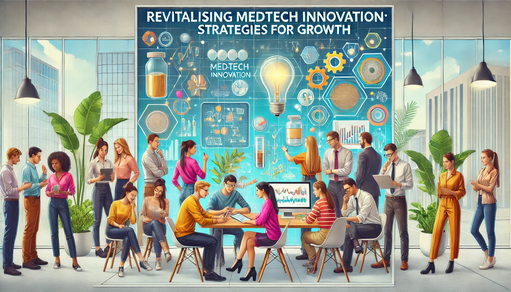
  • Traditional MedTech companies face growth challenges as M&A slows, prompting a shift towards leveraging corporate culture for competitive advantage
  • Emphasising a strong corporate culture enhances employee engagement, compliance, agility, and aligns with strategic goals, fostering sustainable growth
  • Leaders should focus on training, communication, ethical behaviour, and strong leadership to create a proactive, quality-focused culture
  • Case studies highlight the importance of a clear vision, engaged leadership, collaboration, and continuous adaptation to drive innovation and success

Let’s Get Serious About Corporate Culture
 

Many established MedTech companies with legacy products in slow-growing markets face challenges in enhancing growth, adding value, and developing a competitive edge. Historically, their growth largely relied on mergers and acquisitions (M&A), which expanded their size but not necessarily their capabilities. As the industry matured, M&A activity slowed, especially in the medical device sector.

With a tightening market and changing business environment, enterprises are seeking alternative strategies for growth and competitiveness. Corporate culture is emerging as a determinant of organisational success, yet many leaders struggle to understand and implement effective cultural strategies.

M&A often prioritised financial gains over quality and operational excellence. Acquiring firms sometimes neglected the importance of seamless process integration, resulting in quality and regulatory issues downstream. Such challenges are typically addressed reactively rather than proactively, which often hinders the development of a corporate quality culture. To ensure sustainable growth and product integrity, it is important to emphasise comprehensive training, open communication, ethical behaviour, and strong leadership. These elements create an environment where compliance becomes an integral part of the company's fabric, fostering long-term success and resilience.

Corporate culture - shared values, beliefs, and practices - drives growth, and competitive advantage. For companies where innovation and market responsiveness are crucial, supporting a robust corporate culture can lead to increased compliance, greater agility, enhanced employee engagement, and stronger alignment with strategic objectives.

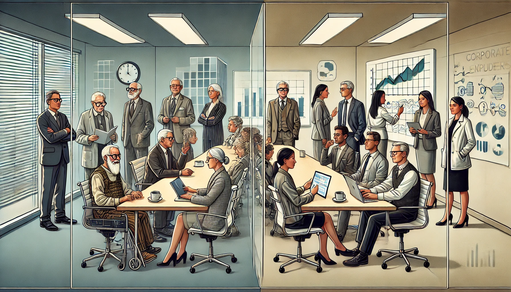
Some corporations face challenges rooted in entrenched practices and hierarchical structures, often encountering resistance to change, siloed departments, and a lack of a cohesive vision. Despite these obstacles, developing a corporate culture that promotes collaboration, innovation, and a shared sense of purpose is essential. Embracing cultural transformation can turn challenges into opportunities for differentiation and growth, allowing companies to achieve sustained success in an increasingly competitive and dynamic market.

 
In this Commentary

This Commentary examines the role of corporate culture in established MedTech companies, highlighting its significance in driving organisational success amidst rapid change and increasing competition. It analyses the impact of corporate culture on employee interactions, company dynamics, and strategic outcomes, emphasising its role in shaping decision-making and fostering employee engagement. It addresses the challenges faced by enterprises burdened bylegacy practices, advocating for a proactive approach to cultivating a culture supportive of collaboration, innovation, and purpose. Drawing from real-world examples, it distils actionable insights for companies, stressing the significance of a clear vision, strong leadership, and ongoing adaptation in nurturing a resilient corporate culture essential for sustained excellence in a dynamic marketplace.
 
Understanding Corporate Culture

Corporate culture is the collective set of values, beliefs, attitudes, and behaviours shared by members of an organisation. It encompasses vision, norms, systems, symbols, language, assumptions, and habits, defining how employees interact internally and with external stakeholders. Components of corporate culture include the company’s mission and vision, which provide direction and purpose; values that guide decision-making and behaviour; rituals and ceremonies that reinforce cultural messages; and communication styles that ensure consistent and effective information flow. Additionally, leadership style, workplace environment, and reward systems play important roles in embedding and perpetuating the culture.

A strong, positive corporate culture aligns the workforce with enterprise goals, fostering belonging and purpose. It drives employee engagement, leading to higher productivity and innovation. For MedTech enterprises, a culture emphasising collaboration and continuous improvement can accelerate product development and enhance regulatory compliance. Additionally, a well-defined culture attracts top talent, strengthens customer relationships, and builds a resilient brand. Corporate culture is a strategic asset that differentiates a company, driving long-term success and sustainability.

 
Assessing the Current State of Corporate Culture

A culture audit is important to assess the existing cultural landscape. This involves evaluating the alignment between the company's stated values and the actual behaviours and attitudes of its employees. It includes gathering qualitative and quantitative data through surveys, interviews, and observation to identify prevailing norms, beliefs, and practices.


Conducting such an audit allows enterprises to pinpoint both strengths and weaknesses within their corporate culture. Identifying strengths, such as high employee engagement or a strong commitment to innovation, highlights areas to reinforce and leverage. Conversely, recognising weaknesses, like departmental silos or pockets of resistance to change, provides insights for improvement.
You might also like:
 
By assessing these cultural attributes, enterprises can develop targeted strategies to address gaps and build on strengths. Such an approach ensures that corporate culture evolves to support strategic goals, enhance operational efficiency, and advance a positive work environment. A well-executed audit is essential to transform corporate culture into a strategic driver of growth and success.
 
Aligning Corporate Culture with Strategic Objectives

The first step is to establish a clear vision and values that resonate throughout the organisation. The vision articulates the company's aspirations, while values provide guiding principles for decision-making. Consistent communication and integration of these elements into every aspect of the enterprise helps to ensure a unified direction.

Integrating culture into strategic planning means embedding it into core initiatives and operational plans, not treating it separately. Cultural initiatives should be woven into strategic goals, from improving quality and processes to ensuring regulatory compliance. For example, a company that prioritises excellence in quality should incorporate rigorous standards and continuous improvement practices into its strategic plan. Aligning corporate culture with strategic objectives supports a motivated workforce fully engaged in the company’s mission. This ensures cultural strengths drive performance, enhance employee satisfaction, and deliver superior outcomes.

 
Driving Growth through Corporate Culture

Fostering a culture of innovation and agility empowers organisations to swiftly adapt to technological advancements and market shifts. By nurturing an environment that values creativity, companies can support R&D, encourage cross-functional collaboration, and celebrate innovative ideas.

Agility requires a flexible organisational structure, empowering employees to make decisions, streamline processes, and maintain open communication for rapid information flow. Encouraging calculated risk-taking and learning from failures is also important. Employees should feel free to experiment without fear of punitive repercussions, with leaders demonstrating tolerance of failure and framing mistakes as learning opportunities.

 
Enhancing Value through Employee Engagement

To develop a motivated and committed workforce, it is essential to instil a sense of purpose and belonging among employees. When individuals understand their contributions align with the enterprise's mission they feel valued, and their engagement levels rise. Achieving this can be facilitated through recognition programmes, professional development opportunities, and a supportive work environment emphasising work-life balance.

Effective communication and collaboration practices are also important. Transparent communication keeps employees informed about company goals and progress. Regular town hall meetings, newsletters, and an open-door policy facilitate this. Encouraging cross-functional collaboration breaks down silos and promotes teamwork. Collaborative tools, cross-functional projects, and team-building activities are essential.

When employees are engaged and feel a part of a cohesive, communicative, and collaborative culture, their productivity and satisfaction increase. This not only enhances individual performance but also drives the overall success and value of the organisation. Engaged employees are more likely to contribute to innovation, improve customer relationships, and support sustainable growth.

 
Bolstering Competitive Advantage with a Strong Culture

Creating a unique culture starts with identifying and emphasising values and practices that align with the organisation’s mission and vision. Such an identity should resonate with both employees and stakeholders, encouraging an environment that prioritises innovation, customer-centricity, or cutting-edge technology. As a result, it attracts top talent and drives loyalty.

Leveraging culture for brand building and market positioning further enhances competitive advantage. A strong corporate culture becomes a key element of the enterprise’s brand, influencing market perception. For instance, a culture of continuous innovation can position a company as a leader in technological advancements, appealing to customers seeking the latest medical solutions. Consistently communicating cultural values through marketing and customer interactions reinforces this positioning.

A well-cultivated culture differentiates corporations from competitors, driving brand loyalty, attracting top-tier talent, and ensuring sustained market relevance and growth.

 
Corporate Culture and Regulatory Compliance

A positive and pervasive corporate culture can enhance a company's ability to maintain continuous FDA compliance. Firstly, a culture that prioritises quality and safety ensures all employees understand the importance of compliance, encouraging attention to detail and proactive issue resolution. Secondly, engaged employees in a positive culture exhibit a strong sense of accountability, diligently following protocols and contributing to continuous improvement. Comprehensive training programmes in such cultures keep employees well-versed in FDA regulations, minimising non-compliance risks. Open communication and transparency enable employees to report compliance concerns without fear, facilitating prompt corrective actions. Ethical decision-making, promoted by a positive culture, discourages cutting corners and aligns operations with regulatory standards. In such environments, strong leadership emphasises compliance as a core value, offering essential guidance and resources. A supportive culture also builds resilience and adaptability, important for navigating regulatory changes.
 
Steps to Develop an Effective Corporate Culture

Leadership commitment and role modelling are important first steps, as leaders must visibly demonstrate the desired cultural attributes in their actions and decisions. This sets a tone that cultural transformation is a priority.
You might also like:

A Third Way Growth Strategy for MedTechs
Training and development programmes are essential for embedding the new culture. These should educate employees about the core values, behaviours, and practices defining the culture. Regular workshops, seminars, and online modules can reinforce these concepts, ensuring employees understand and contribute to the cultural shift.
Recognition programmes that highlight and reward behaviours aligning with the desired culture reinforce positive actions and motivate employees. This can include awards, public recognition, or incentive projects tied to cultural goals.

By combining strong leadership, training, and a recognition system, companies can implement and sustain a culture that supports strategic objectives, drives innovation, and enhances overall performance.

 
Measuring and Sustaining Cultural Transformation

Key metrics for evaluating culture impact include employee engagement scores, turnover rates, and productivity levels. Utilising surveys and feedback mechanisms provides insights into employee sentiment and alignment with cultural values. By monitoring these indicators, organisations can celebrate the successes of their cultural initiatives, and identify opportunities for further enhancement, ensuring a thriving and cohesive workplace.

Continuous improvement and adaptation are essential for sustaining cultural transformation. This process involves regularly reviewing and refining cultural practices based on feedback and performance data. Leaders should remain flexible, adapting strategies to address emerging challenges and opportunities while maintaining accountabilty for their actions. It is unacceptable for senior managers to sidestep their responsibilities by delegating them to lower-ranking managers. Regularly revisiting the company’s vision and values ensures they remain relevant and inspiring, keeping the organisation aligned and motivated.

By systematically measuring cultural impact and committing to ongoing refinement, companies can ensure their culture remains a dynamic, integral part of their strategic success, driving long-term growth and resilience in a competitive market.

 
Case Studies and Best Practices

Medtronic revitalised its culture by emphasising patient-centricity and innovation. This focus engaged employees, improved morale, and bolstered productivity. Training programmes and leadership initiatives reinforced these values, resulting in a cohesive and motivated workforce. Boston Scientific transformed its culture by concentrating on agility and continuous improvement. Open communication and cross-functional collaboration broke down silos and accelerated innovation. Leadership played a role by modelling desired behaviours and creating a transparent, and inclusive environment. Key lessons from these transformations support our discourse and highlight the role of a clear vision and values, strong leadership commitment, and the integration of cultural initiatives into everyday practices. 
 
Takeaways

The emphasis on corporate culture within companies is not just a strategic choice but a necessity in today's fast-paced and competitive landscape. By encouraging a culture that aligns with their strategic objectives, corporations can enhance innovation, agility, and employee engagement: key factors for sustained growth and success. Addressing the challenges of entrenched practices and regulatory constraints through a well-defined, adaptable culture allows enterprises to navigate and leverage market changes effectively. A robust corporate culture is more than a set of values and practices; it is an asset that can drive differentiation, attract top talent, and build a resilient brand. As MedTechs continue to evolve, prioritising and nurturing a strong corporate culture will be pivotal in achieving long-term competitiveness and organisational excellence.
view in full page