Publications


Sponsored

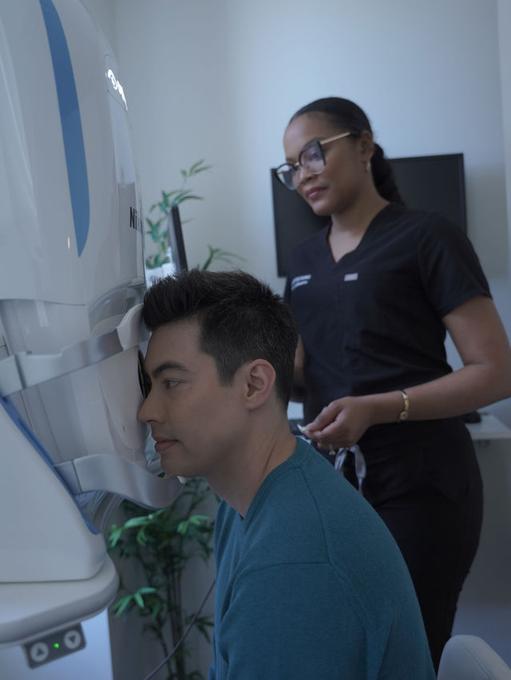
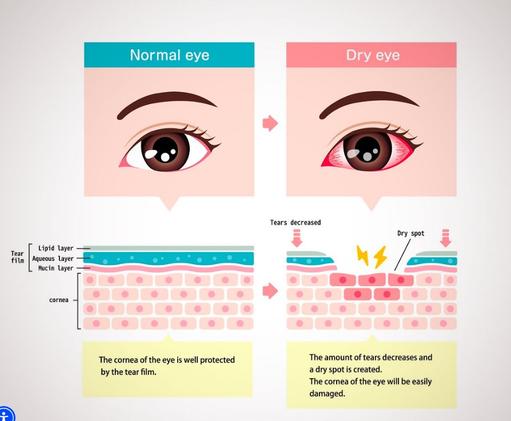
NYC Eye Physicians are proud to be on USA Newsweek’s list of 350 best ophthalmologists and optometrists. Using the latest advancements and techniques in optometric practices, our doctors offer a full range of Optometry & Ophthalmology services, from eye exams and treatment for dry eyes, burning eyes, and eye stye to an accurate assessment of refractive errors, like nearsightedness/farsightedness/astigmatism, and eyeglasses or contact lenses. At Manhattan Eye Physicians, you’ll find the individualized, compassionate and patient-centric Optometry & Ophthalmology care you need in the safe, reassuring hands of eye experts.

To provide more comprehensive eye care, our optometrists use the newest diagnostic equipment available in the USA, such as Optical Coherence Tomography (OCT), Digital Slit Lamps, Automated Phoropters, Zeiss Visual Field Analyzers, VT1 Vision Screeners and Retina Cameras. These technologies offer earlier detection of various eye-related conditions and improved patient outcomes.

Eye Physicians
110 Lafayette St, Suite 503
New York, NY 10013
Office Tel: (212) 292-4814
Fax: (212) 628-0698
Web Address: https://www.myeyephysicians.com/ 

Our locations on the map: https://maps.app.goo.gl/pkDgr4UdoZSScuaR7 

https://plus.codes/87G7PX9X+8M New York, USA

Nearby Locations:

Lower Manhattan | Little Italy | Chinatown | Civic Center | Tribeca | SoHo
10013 | 10012 | 10007 | 10002

Working Hours:
Monday: 8 am–5 pm
Tuesday: 8 am–5 pm
Wednesday: 8 am–7 pm
Thursday: 8 am–5 pm
Friday: 8 am–5 pm
Saturday: 8 am–5 pm
Sunday: Closed

Payment: cash, check, credit cards.


view in full page
Directory:
Tags:

Henry Wendt, 1933 - 2024
Obituary

Henry Wendt, born on July 19, 1933, in Neptune City, NJ, passed away on April 11, 2024, leaving behind a legacy that will endure for generations. Raised in Sands Point and Tuxedo Park NY, Henry embarked on a journey after graduating from Princeton University in 1955, starting his career as a salesperson for Smith, Kline & French, an American pharmaceutical company. His dedication and strategic acumen propelled him through various roles within the corporation, spanning locations such as Hawaii, Montreal, Tokyo, and Philadelphia, ultimately culminating in his appointment as President and CEO in 1976.
 
As CEO, Henry implemented a transformative 3-point strategy, reshaping the company's trajectory through strategic divestments and a focus on core products. This foresight laid the groundwork for the historic merger in 1989 with the UK-based Beecham Company, resulting in the formation of SmithKline Beecham (SKB). This was the largest cross-border merger of its time, and heralded the birth of a truly transnational corporation that would redefine global competition in the pharmaceutical industry. Under Henry's leadership, SKB emerged as the world’s second largest pharmaceutical company, both in prescription and over-the-counter drugs, solidifying its position as a global powerhouse.
 
Henry was more than just a businessperson; he was a visionary who recognised the significance of the evolving nature of transnational corporations. In his book, Global Embrace, published in 1993, he described a transition from the era of multinationals to the rise of transnational enterprises, painting a picture of a world where corporate operations transcended national borders in the pursuit of progress and prosperity. Henry's conceptualisation of transnational entities diverged from traditional multinationals primarily in their ownership structure. Unlike their predecessors, transnational corporations boasted a shareholder base that spanned the globe, marking a departure from the conventional reliance on temporary global marketing strategies like foreign branches, offshore acquisitions, joint ventures, or licensing agreements. This distinction emphasised a shift towards a more interconnected and globally oriented business paradigm. Henry's work not only explored market dynamics and competitive strategies but also explored the broader societal implications of this emerging corporate model, advocating for policies that fostered international cooperation and celebrated cultural diversity.

Henry Wendt's influence reached far beyond the boardroom, embodying integrity, moral fortitude, and an unwavering commitment to his country. His life epitomised timeless values of fairness, honesty, and optimism, evident in his many achievements and philanthropic endeavours. His diverse interests mirrored his commitment to improving society, seen through initiatives such as establishing academic chairs, sponsoring educational programmes, and funding research laboratories nationwide. A polymath, Henry found fulfilment in exploration, whether navigating the seas or delving into the realms of knowledge. Through ventures like the Quivira Estate Vineyards and Winery and his contributions to academia and research, his enduring impact continues to inspire future generations. In his passing, Henry Wendt leaves behind a rich legacy of leadership, generosity, and foresight that will echo through the years, serving as a powerful testament to the impact an individual can have on shaping a better world.

  
view in full page
  • MedTechs traditionally prioritise M&A over in-house R&D yielding size without always improving quality
  • Amidst healthcare's rapid evolution, companies must explore new avenues for growth and staying competitive
  • Embracing a Third Way, MedTechs can invest in start-ups to access disruptive technologies, mitigate risks, foster growth, and competitive advantage
 
A Third Way Growth Strategy for MedTechs
 
MedTech industry leaders must welcome fresh ideas to maintain their competitive edge and ensure ongoing growth. However, the conventional avenues of development, such as merger and acquisitions (M&A) and in-house research and development (R&D), often encounter obstacles that diminish their effectiveness. As the industry advances, companies face the dual challenge of adopting new technologies while breaking down entrenched organisational barriers. In an era marked by transformative breakthroughs and turbulent market forces, adaptability and innovation are indispensable drivers of success.
 
The line separating established enterprises from agile newcomers has blurred, paving the way for potential collaboration and strategic investment. To excel in this environment, traditional MedTechs should consider recalibrating their conventional growth strategies. Rather than solely relying on M&A or low-risk tweaks to in-house R&D, they should explore a Third Way: investing in and collaborating with a range of innovative start-ups. Giant MedTech have been doing this for decades and reaping the benefits of nascent enterprises, fuelled by high-energy talent, leveraging novel technologies, and offering a fresh approach to growth and value creation.
 
Collaborating with early-stage entities empowers traditional firms to foster a culture of innovation and adaptability, thereby improving patient outcomes and strengthening healthcare systems to thrive in an era of unprecedented change. Effectively managing inventiveness becomes imperative for traditional MedTech companies to successfully navigate the evolving healthcare ecosystem.

 
In this Commentary

This Commentary emphasises the importance for MedTechs to define a clear strategic path in response to the challenges posed by rapid technological advancements, geopolitical shifts, and advancing market dynamics. We propose a Third Way that moves beyond conventional strategies of M&A and internal R&D. We advocate for investment in a varied portfolio of innovative early-stage enterprises focused on developing disruptive healthcare solutions and services. This approach aims to avoid the drawbacks associated with conventional growth strategies and set up MedTechs for long-term growth and improved competitiveness.
 
Challenges of M&A

For more than four decades, the MedTech industry has predominantly relied on M&A as its primary growth strategy, which, over time led to the financialisaton of the industry. Larger conglomerates emerged, but their size does not always translate into enhanced patient outcomes or improved operational efficiency. This pattern emphasises a tendency where short-term financial objectives frequently overshadow longer-term strategies focused on quality systems, organisational structure, and talent within the acquired companies.
In many instances, early-stage enterprises have deficiencies in their operational and human resource systems. These weaknesses are frequently overlooked or insufficiently addressed during the integration phase. While the repercussions of such oversight might not be readily apparent, they tend to surface over time, potentially hindering growth.
You might also like:

The Financialization Dilemma of MedTechs

 
The fallout from prioritising financial integration strategies can jeopardise the long-term viability of the merged entity and hamper its ability to innovate and adapt to shifting market dynamics. Successfully merging disparate corporate cultures, technological platforms, and operational processes requires meticulous planning and execution across all facets of the integration process. Neglecting to allocate adequate time and resources to address these non-financial aspects can lead to disruptions in workflow, employee discontent, and diminished performance.
 
Moving forward, corporations might consider adopting a more balanced approach to growth, one that not only factors in financial gains but also prioritises the assimilation of quality systems, organisational coherence, and human capital to ensure sustained success. Strategic complacency seems to be present in many large entities, and associated with an excessive dependence on conventional M&A for growth can dampen internal innovation.
 
Challenges of In-House R&D

Traditional MedTechs encounter challenges when considering disruptive in-house R&D endeavours. The inherent risks, coupled with resource constraints, often dissuade many traditional companies from pursuing innovative avenues of development. Also, complex regulatory environments present hurdles that require expertise, investment, and stringent compliance measures. The infrastructural needs for integrating new technologies exacerbate the situation, necessitating updates to current manufacturing facilities, supply chains, and distribution networks. These conditions emphasise the demanding nature of pursuing innovative R&D in-house. 

The demands of sales and marketing add additional complexity to internal development initiatives. New offerings require educating healthcare providers and consumers regarding their benefits, alongside developing specialised sales teams and tailored marketing strategies aligned with the product's unique demands. Incentivising sales teams to prioritise new offerings over established ones can be testing, which reinforces the hesitation of traditional MedTechs to pursue disruptive R&D projects.

 
A culture of risk aversion often prevails within traditional firms, leading to a reluctance to depart from established business models and technologies. This is reinforced by corporate structures that highlight stability and predictability over innovation and agility. Executives may hesitate to invest in ground-breaking R&D projects, opting instead for incremental improvements to existing devices. The allure of legacy products, despite their age and slow growth rates, provides a sense of security that dissuades corporations from exploring new technologies.
 
A Third Way

A Third Way for achieving growth and competitiveness, involves investing in innovative early-stage enterprises. Start-up culture thrives on creativity, fuelled by agility, entrepreneurial spirit, and a focus on disruptive solutions. Unlike traditional MedTechs, new ventures are free from the constraints of legacy systems, which enables them to take bold risks and explore new ideas. The collaborative culture of emerging businesses frequently attracts top talent from diverse disciplines, promoting interdisciplinary cooperation and fresh perspectives. This convergence of talent, flexibility, and risk-taking propels start-ups to the forefront of progress, extending the boundaries of what is achievable and contributing to transformative change in healthcare delivery and patient outcomes.
 
Engagement with entrepreneurial businesses warrants larger companies access to cutting-edge technologies while mitigating risk across a portfolio of ventures. Investment in early-stage entities opens avenues for collaboration, partnership, and potential acquisitions, enabling traditional firms to capitalise on emerging trends to maintain and enhance their competitiveness. Overall, embracing a broad-based investment strategy in start-ups represents a prudent approach for traditional MedTechs aiming to reconcile progress with risk.
You might also like:

Healthcare disrupters

Supporting a variety of new ventures that are developing novel products through off-balance sheet investments presents a strategic advantage for traditional corporations. This approach allows them to access advancements without immediately bearing the financial burden of traditional acquisitions, thereby preserving their financial flexibility, and safeguarding their core business. 
By providing tax benefits and mitigating the impact on financial ratios, these commitments contribute to the overall financial wellbeing of the company. Additionally, they facilitate low-risk incremental acquisitions. As start-ups mature and demonstrate success, traditional enterprises can acquire them, leveraging their initial investment and minimising the risk associated with unproven technologies. This model fosters an ecosystem where new entrepreneurial entities thrive with support from established players.
 
Investing in emerging businesses for MedTechs extends beyond financial contributions and can include injections of expertise and knowledge. Established firms possess the capability to offer invaluable guidance and mentorship, drawing on their experience in navigating complex regulations, executing successful clinical trials, and effectively scaling manufacturing operations. By sharing their expertise and knowhow, mature companies amplify the impact of their financial stakes and strengthen their ability and reputation to drive innovation. 

 
The Potential of Venture Arms for MedTechs

The creation of venture arms by leading MedTech companies has facilitated creativity and driven commercial success. Johnson & Johnson (J&J) and Medtronic, for example, have embraced this trend with positive outcomes. J&J's venture initiative, JLabs, was initiated in 2015 in San Francisco to nurture ~50 start-ups across a spectrum of healthcare sectors, including medical devices and digital health. Since then, it has burgeoned into a dynamic ecosystem with key incubation hubs worldwide, from New York to China.
 
While J&J typically refrains from immediate investments, its strategic commitments to enterprises like Mauna Kea Technologies, Protekt Therapeutics, Cara Care, Cala Health, and Sight Diagnostics demonstrate the company's interest in nurturing entrepreneurial solutions aligned with its strategic objectives. Similarly, Medtronic's venture arm has effectively made strategic investments in a diverse array of early-stage businesses, with Axonics as a notable example. Axonics' recent (January 2023) FDA approval for its fourth-generation rechargeable sacral neuromodulation system serves as a testament to the success that can arise from such collaborative endeavours.
 
Traditional MedTech companies can take valuable lessons from industry giants such as J&J and Medtronic, especially in establishing their own venture funds to invest in a range of start-ups. This strategic manoeuvre not only provides these companies access to cutting-edge technologies and disruptive innovations that might outstrip their internal development capacities but also allows them to diversify their product portfolio and helps mitigate risks associated with reliance on a narrow range of offerings.
 
Entrepreneurial ventures often boast agility, enabling them to swiftly bring products to market, surmount bureaucratic hurdles that larger corporations may face, cultivate a culture centred on innovation within their organisations, and inspire employees to explore fresh ideas and collaborate with external partners. 
However, this can only be achieved if the MedTech market offers realistic opportunities.
 
The MedTech Start-up Market

We have argued that the MedTech start-up market holds potential for traditional companies seeking to revitalise their portfolios to maintain and increase their competitiveness. However, what are the realities of this market? Recent studies shed light on its trends and opportunities, and from these, we can judge whether such investments strategies are a viable option for mature MedTechs.

A 2017 study by the Deloitte Center for Health Solutions and AdvaMed Accel suggested that venture capital investments in early-stage MedTechs were slowing because alongside lacklustre returns, investors showed reluctance towards unproven technologies, and were deterred by regulatory and reimbursement obstacles. However, findings of a similar study repeated in 2021 paint a more promising picture. Since 2017 and the onset of the Covid-19 pandemic in 2020, venture financing in early stage MedTechs surged by ~67%, suggesting a renewed investor confidence. Notably, the bulk of investments were towards late-stage diagnostic and digital companies, highlighting a shift in investor priorities towards more mature ventures. Furthermore, alternative financing avenues such as public markets and family offices have emerged as viable options, opening new pathways for entrepreneurial endeavours. Notwithstanding, amidst this surge, seed, and Series A funding continued to decline, which poses difficulties for fledgling MedTech entities.

For traditional MedTech companies contending with aging legacy products in slow-moving markets, bridging the funding gap presents an opportunity to enhance their growth prospects and strengthen their competitive position. As we have asserted, beyond financial backing, start-ups often seek guidance on regulatory navigation, clinical studies, intellectual property, and reimbursement procedures. Leveraging their wealth of experience and established networks, large firms are ideally situated to provide such valuable insights and support to emerging ventures. 

 
Takeaways

By strategically committing to a diverse range of start-ups, traditional firms bolster their capacity to navigate the complexities of the technology ecosystem. This proactive stance not only positions enterprises to shape the future of healthcare but also augments their prospects for sustained growth and competitiveness in an industry experiencing rapid evolution.
 
Collaborating with emerging businesses at the forefront of technological development empowers large corporations to respond adeptly to market dynamics and drive progress. Such strategic engagement reinforces their relevance in the market, fosters a culture of cooperation and improvement across the healthcare continuum, strengthens traditional enterprises' competitive edge and ensures their long-term viability.
 
The entrepreneurial spirit inherent in start-ups can rejuvenate the development pipelines of traditional MedTechs, enhancing their decision-making and cultivating an environment of creativity conducive to growth. Establishing a fund to invest in start-ups helps to reduce risk and maximise returns, thus protecting corporations against potential disruptions. Adaptation is crucial for survival, and the approach outlined in this Commentary provides traditional companies reliant on legacy offerings with an opportunity to adapt and thrive, reaffirming their relevance in an era characterised by constant change.
view in full page
Understanding Medical Abortion: Procedures and Risks

Women opt for an abortion due to multiple causes. If the gestation is unwanted, there are issues in the growth of the fetus or the life of the mom is in danger because of the pregnancy. The pregnancy can be terminated in two forms. One is by a Surgical Abortion, and the other is by a Medical Abortion.

People prefer medical abortion because of less invasiveness and is possible in the privacy of a home. It is affordable in comparison to traditional surgical abortion. Let us discuss in detail the complete procedure of a medical abortion.

Medical Abortion 

It is also known as an abortion pill but involves taking two medicines needing no surgery or anesthesia.

There are 2 kinds of Medical Abortion.

  1. Methotrexate & Misoprostol
  2. Mifepristone and Misoprostol


Methotrexate & Misoprostol (MTX) 


Within the first 49 days of her pregnancy, the patient will take this medication. Oral administration of "Methotrexate" is the first medication. After three to seven days, the second medicine, "Misoprostol," is to be given either orally or vaginally. These medications force the fetus to evacuate itself in hours or days through squeezes and bleeding. In addition, antibiotics are provided to avoid any infections.

Mifepristone and Misoprostol 


Another name for the Abortion Pill approach is RU-486. The patient takes a drug named Mifepristone, which stops Progesterone and stops the pregnancy from growing any further.

The patient then receives a Misoprostol tablet about 36 to 72 hours later. It forms the uterine contractions that lead to the fetus's advanced removal from the body. This procedure can take a few hours or days to complete.


Some Adverse Effects 


These are some side effects of the Abortion pill:

  • Infections- Medicinal abortion procedure also has a risk of some infections. So, the doctors prescribe antibiotics along with abortion pills.
  • Cramping and heavy bleeding- The cramping will be painful with a risk of much heavier bleeding. It may need a medical professional's help.
  • Vomiting and diarrhea- The patient can vomit and loose stools as the pills are very strong medications. They have side effects that can be temporary.
  • Nausea- The patients may feel sick and uncomfortable. They might feel dizzy and vomiting.
  • 8 to 10% failure rate- This abortion procedure is effective but still has a failure rate of eight to ten percent. In case of an unsuccessful abortion, a surgical procedure is required for the patient.
  • Non-eligibility- If the patient has ovarian mass, high B.P., or Intrauterine devices, then this abortion procedure may not be advisable due to the health risks involved.
  • Not for patients with chronic diseases- Some patients are suffering previously from chronic diseases like liver, kidney, or bowel disease. Medicinal abortion is not advisable for such patients.
  • Plenty of bed rest- The procedure can sometimes take a toll on the health and overall well-being. It is temporary, and one may need bed rest for a few days to recover.
  • Not suitable for some patients- This medication is not suitable for patients with a history of ectopic pregnancy where the fetus develops outside the uterus and will not grow further.

How can you prepare yourself before a medicinal termination? 


These are some things you can consider before coming to the Abortion Pill Clinic for having an unwanted pregnancy termination.

  1. Knowledge about the procedure
  2. Awareness about the Abortion Legislation in your State
  3. Consideration of finances, affordability, and coverage
  4. Confide in trustworthy people
  5. Arrange for pads, painkillers, water, and food
  6. Bringing along a supporting loved one
  7. Arrangements for things to divert attention
  8. Counseling before and after the procedure
  9. Be confident about your decision
  10. Follow-ups after the procedure


Conclusion 


Medicinal abortion is generally a safe procedure with fewer side effects than many over-the-counter medicines. However, in some patients, the adverse effects might be severe and need immediate medical attention. Orlando Women's Center is an Advanced Abortion Pill Clinic with a supportive staff and a non-judgemental environment. In the case of having a medicinal abortion, you get treatment with compassion and respect in a comfortable environment. Contact us to know more.


Orlando Women’s Center
1103 Lucerne Terrace
Orlando, FL 32806
Ph (407) 245-7999
Toll Free (877) 692-2273

Our Location On The Map:  https://www.google.com/maps/place/Orlando+Women's+Center/@28.528912,-81.3805015,17z/data=!3m1!4b1!4m6!3m5!1s0x88e77b0638702803:0xc70c03ccfee1cdd1!8m2!3d28.528912!4d-81.3805015!16s%2Fg%2F1tf5lgnj?entry=ttu

Near By Locations:

Women’s Center Of Hyde Park
4602 N Nebraska Ave,
Tampa, Florida 33606
Ph (813) 258-5995
Toll Free (855) 214-9964


Fort Lauderdale Women’s Center
2161 E Commercial Blvd, Fort Lauderdale, FL 33308
Ph (954) 733-0121
Toll Free (877) 966-3673


Working Hours:  24 Hours 7 Days a Week


You can also visit our social accounts:

Facebook: https://www.facebook.com/OrlandoWomensCenter

Instagram: https://www.instagram.com/orlandowomenscenter/


view in full page

Learn about early surgical abortion, also known as menstrual extraction, performed at Women's Center. Discover the advancements in medical techniques that allow for the procedure to be performed as early as 3 to 4 weeks into pregnancy. Find out how ultrasound guidance ensures the complete removal of the pregnancy. Understand the process, including cervical preparation, dilation, and the use of a sterile curette. Explore the low complication rate and aftercare instructions. Get comprehensive information and compassionate care at Women's Center for early surgical abortion.

view in full page

One Visit Crowns in LuxDen Dental Center

LuxDen Dental Center offers its patients the latest and most advanced technology. This is why we have an on-site milling machine. Our on-site

machine is capable of producing precision-made ceramic crowns while you wait. They are made from porcelain and are high quality and long-lasting.

There are several advantages to choosing this option. There is no need for us to take a dental impression prior to making this type of crown. We digitally scan the tooth. This information is transmitted to a computer. Using specialized software, our dentist Dr. Umanoff designs your crown. The design is then sent to our milling machine. This will mill your crown from a solid block of tooth-colored porcelain. The whole process only takes a few minutes.

Once the crown has been milled, it is hand-finished. We first ensure it is perfect. Then, on the same day, we fit the tooth crown into place. There is no need for a second appointment. This saves you time. There will be no need to have a temporary crown.

The latest CADCAM technology is used to make these crowns. We don’t compromise on quality in any way. CEREC teeth may not be suitable for every occasion. If we feel this treatment is suitable for you we will suggest it. CERED is a popular option for many patients.

LuxDen Dental Center
2579 East 17th Street #11,
Brooklyn, NY 11235
(718) 489–2966
Web Address: https://luxden.com/ 
Our location on the map: https://g.page/LuxDenDentalCenter 

https://plus.codes/87G8H2QX+C4 Brooklyn

Nearby Locations: Sheepshead Bay | Homecrest | Gravesend | Brighton Beach | Manhattan Beach 11235 | 11229 | 11223 | 11235

Working Hours:
Monday: 10AM — 8PM
Tuesday: 10AM — 8PM
Wednesday: Closed
Thursday: 10AM — 8PM
Friday: 10AM — 3PM
Saturday: Closed
Sunday: 10AM — 3PM

Payment: cash, check, credit cards.

view in full page

Why Choose Full Mouth Dental Implants?
All on 6 Dental Implants are perfect if you have complete tooth loss. Tooth loss can be in your upper or lower arch or both arches. Full mouth implants are great if you wear dentures. Opting for full mouth implants in Brooklyn, NY, will provide you with optimal stability. You can bite as you would with your natural teeth with your new teeth. You can enjoy just about anything you wish to eat. Full mouth implants are positioned throughout your jawbone. Your jawbone preserves your new set of teeth. Your new teeth preserve natural tooth roots and bone resorption.

Full Dental Implants Dentist at LuxDen
Jaw bone
Your jaw bone must provide enough support for a full new set of teeth. People who lost teeth years ago, who have active periodontal disease, or who had periodontal disease in the past are more likely to have lost a significant amount of jawbone. Advanced periodontal disease can destroy the bone around natural teeth. Periodontal disease is a common cause of tooth loss. Even if you have missing teeth, you may be able to consider this treatment. However, you may need bone grafts to restore bone levels. For optimal teeth placement, you need adequate bone levels.

Other factors
Dr. Umanoff must consider several other factors before suggesting this treatment. One issue to discuss is the thickness of the final prosthesis. If bone loss is significant, the prosthesis may be thicker than expected. This might not feel as natural as anticipated.
People who have full mouth implants may have difficulty recognizing excessive biting forces. This is due to a lack of sensation. Biting hard on full-mouth dental implants could increase the risk of failure by putting them under excessive stress.

Bruxism
Some people have dental issues that include bruxism. Bruxism is when you bite and clench during sleep. Biting hard places pressure on dental implants.
Yet another factor is speech. Some patients may achieve better results with shorter span bridges. Others may need single dental implants.
Although this may increase the overall cost and time of treatment, the outcome may better fit your needs.

LuxDen Dental Center
2579 East 17th Street #11,
Brooklyn, NY 11235
(718) 489–2966
Web Address: https://luxden.com/ 
Our location on the map: https://g.page/LuxDenDentalCenter 

https://plus.codes/87G8H2QX+C4  Brooklyn

Nearby Locations: Sheepshead Bay | Homecrest | Gravesend | Brighton Beach | Manhattan Beach 11235 | 11229 | 11223 | 11235

Working Hours:
Monday: 10AM — 8PM
Tuesday: 10AM — 8PM
Wednesday: Closed
Thursday: 10AM — 8PM
Friday: 10AM — 3PM
Saturday: Closed
Sunday: 10AM — 3PM

Payment: cash, check, credit cards.


view in full page

What Are Veneers?
One of the most frequently used procedures at LuxDen Dentistry Center is veneers. They can correct many dental problems and give you the beautiful smile of your dreams.

Veneers cover teeth stained from discolored resin fillings, exposure to excessive fluoride (fluorosis), antibiotics, especially tetracycline, or older root canal treatments. They can hide teeth that are small, oddly shaped, or that have become worn down.

Veneers are a popular way to rejuvenate your smile. There are several different types to choose from, and it is essential to know a bit about each option.

The best-in-class dentist in Brooklyn, Dr. Umanoff, can explain which choice will be the best for you and why.

Why Get Dental Veneers?
Veneers are great for covering up teeth and can be used in many different situations.

You may think about getting instant smile veneers if you have teeth that are:

  • Chipped
  • Cracked
  • Worn down
  • Too short
  • Gaps or space between teeth

They are also perfect for covering up teeth that are too small or which don’t have the ideal shape.

While teeth whitening can bleach away some stains, it cannot lift more deeply seated or internal stains. You can use teeth veneers to hide teeth that are badly stained or discolored, and this can happen if a tooth has an old root canal treatment if you used tetracycline or because of dental fluorosis.

Dental fluorosis can lead to white lacey flecks developing on teeth. In more severe cases, it can cause unsightly brown spots. It is harmless but is caused by exposure to excess fluoride during childhood.

Do you have unsightly gaps in between one or more of your teeth? Sometimes dental veneers can be used to reduce or completely close up these gaps, depending on the size of the space.


LuxDen Dental Center
2579 East 17th Street #11,
Brooklyn, NY 11235
(718) 489–2966
Web Address: https://luxden.com/ 
Our location on the map: https://g.page/LuxDenDentalCenter 

https://plus.codes/87G8H2QX+C4  Brooklyn

Nearby Locations: Sheepshead Bay | Homecrest | Gravesend | Brighton Beach | Manhattan Beach 11235 | 11229 | 11223 | 11235

Working Hours:
Monday: 10AM — 8PM
Tuesday: 10AM — 8PM
Wednesday: Closed
Thursday: 10AM — 8PM
Friday: 10AM — 3PM
Saturday: Closed
Sunday: 10AM — 3PM

Payment: cash, check, credit cards.

view in full page

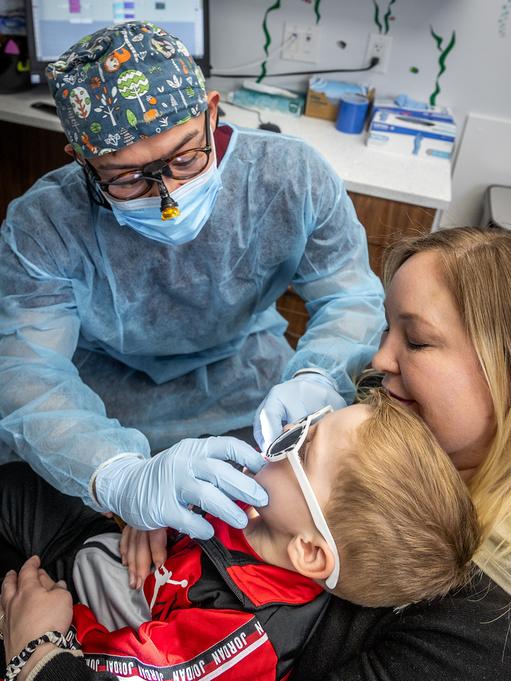
Is it your child’s first time visiting our clinic? Remember, the New Kids Special offers $199 for your child’s first appointment.
Your child’s first consultation, which may include a cleaning, a comprehensive exam, an X-Ray, and oral hygiene instructions, will be less than the average price.
Claim your offer today.

LuxDen Dental Center
2579 East 17th Street #11,
Brooklyn, NY 11235
(718) 489–2966
Web Address: https://luxden.com/ 
Our location on the map: https://g.page/LuxDenDentalCenter 

https://plus.codes/87G8H2QX+C4 Brooklyn

Nearby Locations: Sheepshead Bay | Homecrest | Gravesend | Brighton Beach | Manhattan Beach 11235 | 11229 | 11223 | 11235

Working Hours:
Monday: 10AM — 8PM
Tuesday: 10AM — 8PM
Wednesday: Closed
Thursday: 10AM — 8PM
Friday: 10AM — 3PM
Saturday: Closed
Sunday: 10AM — 3PM

Payment: cash, check, credit cards.

view in full page
  • Healthcare is flooded with diverse data from multiple sources, including imaging, genomic sequences, lifestyle factors, and clinical records
  • The volume and diversity of healthcare data pose challenges for medical practitioners and hinder the delivery of quality care
  • Relying solely on healthcare professionals to manage this diverse data is impractical
  • Multimodal AI can amalgamate, analyse, and utilise complex healthcare data, offering transformative potential across delivery systems
  
Transforming Healthcare with Multimodal AI

On April 1, 2024, Peter Arduini, President, and CEO of GE Healthcare, announced the acquisition of MIM Software, a leading provider of medical imaging analysis and artificial intelligence (AI) solutions in fields such as radiation oncology, molecular radiotherapy, diagnostic imaging, and urology, serving diverse healthcare settings worldwide. "We are excited to welcome MIM Software, recognised for its innovation in multimodal image analytics and workflow," said Arduini.
 
Multimodal AI

Multimodal AI is at the forefront of modern methodologies, synthesising diverse AI technologies to concurrently interpret various data types, a capability commonly referred to as handling multiple modalities. This approach has the potential to transform processes and enhance patient care. In today's healthcare environment, the emergence of multimodal AI signifies a leap forward, particularly within medical technology. The inundation of data from various sources such as imaging, time series, genomic sequences, lifestyle factors, and clinical records pose a challenge for individual healthcare professionals to merge and interpret. The expectation for clinicians to proficiently manage and utilise such diverse datasets alongside their primary medical specialisation is unrealistic. Multimodal AI offers a solution. Tailored for medical applications, it harnesses the power of sophisticated algorithms and machine learning techniques, to integrate and interpret disparate data streams. By doing so, the technology furnishes healthcare providers with insights and actionable intelligence, thus empowering them to make informed decisions and drive improved patient outcomes.
 
In this Commentary

This Commentary explores the complexities of healthcare data, encompassing a broad spectrum from imaging to clinical records. Multimodal AI emerges as a pragmatic solution, harmonising disparate data sources to provide insights and streamline healthcare delivery. The recent acquisition of MIM Software by GE Healthcare underscores the increasing significance of this approach. Through a historical lens, we examine the evolution of multimodal AI and its progress in deciphering various data formats. In healthcare contexts, multimodal AI has the potential to transform patient care by combining data to formulate personalised diagnoses and treatment strategies. In tackling data complexities, the technology equips healthcare professionals with efficient tools for managing intricate datasets. Furthermore, its adoption yields tangible benefits for MedTech companies by expediting innovation cycles and enhancing operational efficiency. Ultimately, multimodal AI instigates a shift in healthcare delivery and administration, fostering improved health outcomes.
 
A Brief History

Multimodal AI has evolved through advancements in AI, data science, and interdisciplinary research. The foundation of AI was established in the mid-20th century by pioneers like Alan Turing and John McCarthy, focusing on symbolic logic and rule-based reasoning. However, early AI systems had limited capabilities to process diverse data types. The 1980s witnessed the rise of machine learning as an area within AI research. Techniques such as neural networks, decision trees, and Bayesian methods emerged, enabling systems to learn from data and make predictions.
 
During the 1990s and early 2000s, progress was made in computer vision and natural language processing (NLP), laying the foundation for multimodal AI by enabling the processing and understanding of visual and textual data. The early 21st century saw a growing interest in integrating multiple data approaches within AI systems. Researchers explored techniques to combine information from sources such as text, images, audio, and sensor data to enhance analyses.
The advent of deep learning in the 2010s transformed AI, fuelled by advances in neural network architectures and computational resources. Deep learning techniques, including convolutional neural networks (CNNs) and recurrent neural networks (RNNs), enabled progress in processing multimodal data. In recent years, AI fusion technology has become increasingly prevalent across various domains, including healthcare, finance, autonomous vehicles, and multimedia analysis. These applications leverage sophisticated AI models capable of integrating and interpreting data from diverse sources to extract actionable insights.

You might also like:

MedTechs Battle with AI for Sustainable Growth and Enhanced Value

The development of multimodal AI continues to be driven by interdisciplinary collaboration between researchers in AI, computer science, neuroscience, cognitive science, and other fields. This collective effort aims to advance the capabilities of AI systems to understand and interact with complex, poly modal environments more effectively.

Multimodal AI in a Healthcare Setting

To illustrate the application of multimodal AI in healthcare, envision a scenario where a patient communicates symptoms through a voice-to-text interface with a medical practitioner’s office. The text is then managed by a computer utilising natural language processing (NLP), empowering machines to understand and interpret human language. Simultaneously, the patient's recent medical images and electronic health records (EHR) are accessed and undergo examination by computer algorithms. Consider that these EHRs are derived from speech recognition processes, transcribing spoken notes from prior examinations conducted by healthcare professionals. These disparate data sources are amalgamated to construct a health profile, offering insights into the patient's medical history and current condition. By harnessing machine learning algorithms, this profile, developed in split seconds, lays the groundwork for crafting personalised diagnoses and treatment plans that surpass the limitations of singular modal approaches. Moreover, the system remains dynamic, evolving alongside the patient's treatment journey. It continuously learns and adapts, aligning with the patient's status to ensure the delivery of optimal therapies. The insights obtained from this multimodal AI approach can be shared with healthcare providers to facilitate informed decision-making and encourage collaborative patient care. In an era marked by vast and rapidly growing healthcare demands, escalating healthcare costs and constrained resources, the significance of this approach cannot be overstated. By encapsulating the complexities inherent in medical diagnoses and treatment plans, multimodal AI offers a superior alternative to traditional singular methods.
 
Healthcare's Data Challenges and Multimodal AI

Let us examine the current situation in a little more detail. In today's digital age, the healthcare industry is a prolific generator of data, contributing ~30% of the world's data volume. This figure is projected to surge further, with a compound annual growth rate (CAGR) of ~36% expected by 2025. Such growth outpaces key sectors like manufacturing, financial services, and media & entertainment by significant margins, emphasising the pace of data expansion within healthcare.
 
The challenges inherent in managing vast amounts of data are not solely due to their abundance; difficulties also arise from their diverse formats, ranging from structured data to unstructured datasets encompassing text, images, graphs, videos, and more. Despite the potential held within such data, significant portions remain untapped. The primary reason for this underutilisation is the inadequacy of conventional tools to unlock the latent insights embedded within diverse data types. Traditional technologies falter in efficiently searching, processing, and analysing these massive and heterogeneous datasets. As a result, there is a need for specialised methodologies and advanced technologies capable of extracting actionable intelligence from this wealth of information.
 
Enter multimodal AI: a transformative solution poised to unlock the value in unstructured datasets. By synthesising advanced algorithms with diverse data modalities, this technology offers a comprehensive approach to data analysis, transcending the limitations of traditional tools. Through techniques like natural language processing, computer vision, and deep learning, multimodal AI empowers healthcare professionals to navigate the complexities of data with unprecedented precision and efficiency. By leveraging this technology, healthcare providers can overcome the challenges of data and pave the way for innovative advancements in patient care, research, and beyond.
 
Navigating the Data Deluge

Medical practitioners encounter obstacles in their efforts to provide optimal care, improve patient outcomes, and manage costs effectively through data amalgamation and analysis.

Real-time data generation intensifies the pressure on healthcare professionals, demanding rapid analysis to extract actionable insights. However, ensuring data quality and reliability remains an issue due to the prevalence of errors, inconsistencies, and missing values, which can compromise both analytical validity and clinical outcomes.

Interoperability problems further exacerbate the situation, as disparate healthcare systems often employ incompatible technologies and standards, hindering data exchange. The absence of standardised formats and protocols impedes integration and sharing across platforms and organisations, thwarting efforts to leverage data for comprehensive patient care.
You might also like:

Leaning-in on digital and AI

Moreover, privacy and security regulations, such as the American Health Insurance Portability and Accountability Act (HIPAA) and the EU’s General Data Protection Regulation (GDPR), necessitate a balance between safeguarding patient privacy and facilitating data access and sharing. The digital transformation of healthcare increases these concerns, underscoring the urgency of compliance with regulatory standards and robust data protection measures.
Multimodal AI solutions have the capabilities to address these challenges by leveraging advanced encryption techniques, anomaly detection algorithms, and robust audit trails, which strengthen data security and prevent unauthorised access. These AI-powered systems also play a role in ensuring regulatory compliance by identifying potential violations and monitoring adherence to guidelines, thus mitigating compliance risks within healthcare organisations.

Furthermore, effective data interpretation hinges upon domain-specific expertise and a nuanced understanding of clinical contexts. Healthcare professionals must contextualise data within individual patient characteristics, medical histories, and clinical guidelines to make informed decisions, thereby optimising patient care. However, biases inherent in healthcare data pose an obstacle, potentially skewing AI models and predictions. Mitigating biases and promoting equitable healthcare outcomes require a concerted effort towards fairness, transparency, and generalisability in AI model development and deployment.

Addressing these challenges necessitates collaborative efforts among healthcare professionals, data scientists, policymakers, and technology providers. Implementing strategies such as data standardisation, interoperability frameworks, advanced analytics techniques, and robust data governance policies are imperative for overcoming obstacles and unlocking the full potential of healthcare data to enhance patient care and outcomes.

 
Multimodal AI and MedTech Innovation

Multimodal AI extends beyond traditional healthcare practices and has the potential to reshape how MedTech companies tackle healthcare challenges and develop solutions and services for patients. The technology holds promise to accelerate innovation cycles by expediting the development and refinement of novel medical devices and technologies. By integrating various data modalities, including imaging, genomic, and clinical data, it enables firms to uncover insights, leading to the creation of more effective diagnostic tools and treatment solutions. This not only improves the competitive edge of enterprises but also translates into tangible benefits for healthcare providers and patients by offering faster, more accurate diagnostics and therapies.
 
Furthermore, in the realm of personalised care, multimodal AI empowers corporations to tailor interventions to individual patient profiles, encompassing genetic predispositions, lifestyle factors, and treatment responses. Such tailored approaches improve patient outcomes and have the potential to drive market differentiation for MedTech products, which cater to the growing demand for customised healthcare solutions.

Moreover, the integration of multimodal AI into MedTech solutions and services fosters interoperability and connectivity across various healthcare systems and devices. This boosts the efficiency of remote patient monitoring and telemedicine platforms, allowing enterprises to reach underserved populations and geographies more effectively. By leveraging data from wearables, sensors, and remote monitoring platforms, the technology enables proactive healthcare interventions, detecting early warning signs of deterioration, facilitating timely interventions, thus improving patient outcomes, and reducing healthcare disparities.

In addition to driving innovation in product development, multimodal AI contributes to optimising operational efficiency and resource allocation within enterprises. By automating administrative tasks, streamlining work, and analysing data on patient flow and resource utilisation, the technology empowers MedTechs to allocate resources more effectively, reduce costs, and strengthen overall operational performance. This not only translates into improved bottom-line results but also enhances resource allocation for healthcare providers, which ultimately benefits patient care delivery.

The integration of multimodal AI into the medical technology sector catalyses a shift in how healthcare is delivered and managed, paving the way for more efficient, personalised, and accessible healthcare solutions. As corporations continue to harness the power of this technology, the potential for transformative innovation in healthcare delivery and management becomes increasingly possible, promoting better health outcomes and experiences for individuals and populations worldwide.

 
Takeaways

GE Healthcare's acquisition of MIM Software highlights the company's strategic foresight in leveraging MIM's extensive product portfolio, utilised by >3,000 institutions worldwide. Also, it exemplifies Peter Arduini's astuteness in navigating the evolving healthcare technology landscape and emphasises the importance of integrating multimodal AI tools to achieve sustainable growth and gain a competitive edge in today's dynamic healthcare ecosystem. As technology progresses and data complexity increases, multimodal AI's importance is poised to escalate, transforming healthcare's trajectory. The technology’s integration optimises diagnostic and treatment procedures, streamlines administrative functions, and enhances operational efficiency within healthcare systems. Despite challenges such as data complexity and privacy concerns, the ability of multimodal AI to synthesise data and provide actionable insights empowers healthcare professionals, leading to improved patient outcomes. As this technology evolves, it promises to reshape the delivery and management of medical services globally. Multimodal AI has the capacity to reinforce GE Healthcare's leadership in innovation and enhance its competitive position.
view in full page