Tag

Tagged: corporate culture

Sponsored

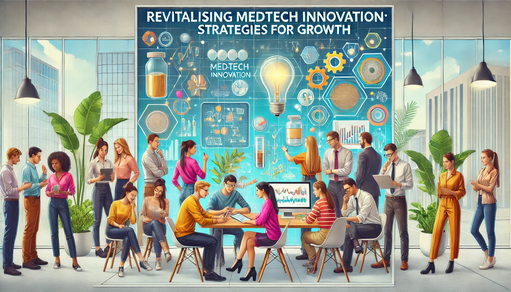
Is corporate culture the untapped catalyst in MedTech? This episode dives into how bold, intentional culture isn’t just a nice-to-have — it’s a strategic advantage. Discover how the right culture fuels innovation, attracts top talent, and builds resilience in a rapidly shifting market. With real-world examples and actionable strategies, it makes a clear case: in MedTech, culture isn’t soft — it’s hard strategy.

view in full page
  • Legacy MedTech's decline is chronic and systemic, not a cyclical setback 
  • Leadership’s focus on short-term gains hinders long-term renewal
  • A five-pillar blueprint outlines how to rebuild relevance through digital, platform, and patient-first strategies
  • Mindset transformation is essential: from quarterly reflexes to future-focused leadership
  • Inaction is costly; only bold, strategic moves can counter rising structural and competitive threats

Think Bold Act Smart

On May 7, 2025, HealthPad published a provocative Commentary, MedTech’s Blueprint for Failure, arguing that the industry's crisis is not cyclical - but structural. A handful of elite firms continue to outperform, yet a long tail of underachievers grows more exposed and fragmented. Capital and confidence flow to the few; the rest are left treading water.

This is not a failure of operational know-how. It is a failure of mindset. MedTech leaders - particularly in struggling firms - are trapped in the tyranny of short-term performance. Quarterly earnings dominate attention, leaving little bandwidth for strategic pivots. As a result, imperatives like AI, digital therapeutics, patient empowerment, ESG, and value-based care are sidelined - not for lack of vision, but because they seem like luxuries amid firefighting.

The analogy is clinical: like patients who dismiss early signs of chronic illness, many MedTech firms misread weak signals - innovation fatigue, vanishing product differentiation, talent attrition - as non-urgent. Comforted by legacy KPIs and familiar processes, they miss the onset of decline. By the time symptoms worsen, remedies are limited.

This is not dramatic collapse - it is slow erosion. And it is becoming endemic. Former high-flyers now face falling valuations, stagnation, outdated leadership, and mounting regulatory pressures. Yet even as they spiral into defensive postures, they cling to the false prudence of operational modifications over strategic reinvention.

Investors are not looking for recovery - they are looking for renewal. Leaders must act now, not just to repair, but to reimagine. Because those who just fix the past will be eclipsed by those building what is next.

 
In this Commentary

This Commentary offers a counterpoint to the earlier “MedTech’s Blueprint for Failure”, which highlighted the significance of shifting the focus from short-term symptom management to long-term systemic renewal. If MedTech’s ailments are chronic, the remedy must go beyond operational repairs to address the cultural rift between legacy leadership and the demands of a digital, patient-centric era. This is not about weathering another earnings cycle - it is about acting decisively before the market forces change upon you. Even under pressure, MedTech leaders must pursue a holistic, adaptable transformation strategy - one that reclaims relevance in a sector being reshaped by innovation and evolving expectations.
 
Diagnosis Confirmed
 
Chronic Decline, not a Temporary Setback
 
What once drove MedTech’s success is now its liability. Like a patient in the early stages of chronic illness, the industry is not unaware - it is falsely reassured. The symptoms are there: stalled innovation, thinning differentiation, quiet attrition. But the absence of acute crisis masks the reality of structural decline.

This is not about incompetence - it is complacency. MedTech firms that once dominated by optimising for scale and efficiency are now applying outdated logic to a changed landscape. The metrics still look familiar, the routines still run - but the market has moved on.

Healthcare is not undergoing a sudden disruption; it is experiencing a slow, systemic shift. And like the onset of chronic disease, that change is easy to ignore - until it is too late. MedTech’s failure to confront early signals has dulled its instincts, hardened risk aversion, and widened its blind spots. The slow pace of decline makes it easy to rationalise. That is what makes it so dangerous.

This is not a slump. It is a slow bleed. Over the past decade, many MedTechs have starved their future relevance by clinging to legacy businesses. By the time the damage becomes undeniable, talent has left, capital has fled, and competitors have reinvented the rules.

This is not random deterioration - it is strategic atrophy. And like any degenerative condition, it will not respond to cosmetic adjustments. Optimising legacy systems without redefining purpose is like treating organ failure with aspirin. It may dull the pain - but the collapse will continue. Without reinvention, decline is not just possible. It is inevitable.

 
The Danger of Treating Symptoms Instead of the Disease

Legacy MedTech is stuck in a cycle of symptom management - treating surface-level issues while the underlying condition festers. Tactics like spending freezes, SKU cuts, and compliance overhauls create the illusion of control, but they rarely lead to transformation. These are not strategic shifts; they are coping mechanisms.

Yes, addressing debt, regulation, and margin pressure is necessary - but it is triage, not treatment. These moves may stabilise the patient, but they do not restore health. Worse, they offer false reassurance, allowing leadership to sidestep important questions: What is the business of our business? How do we stay relevant in a system now shaped by platforms, data, and patient autonomy?

The danger lies in defaulting to familiar playbooks. What once felt safe - efficiency, standardisation, scale - is now a liability in a world pivoting to digital, decentralised, and outcomes-driven care. Recycling old strategies for new realities deepens the strategic inertia that is eroding long-term viability.

This is not about tightening bolts on a ship already adrift. It is about redesigning the vessel - its structure, purpose, and direction - before the rising tide of healthcare transformation makes any course correction irrelevant.

End of the Pitch


The new episode of HealthPadTalks is available. Listen now!
A New Strategic Immune System
 
Five Pillars of MedTech Renewal

This is the inflection point - and for many underperforming MedTechs, it arrives amid a perfect storm: mounting debt ceilings, aging leadership teams, regulatory remediation, declining valuations, flatlining growth, and portfolios anchored in slow-growth markets. These compounding pressures make strategic pivoting feel not only daunting but, at times, impossible. And yet, standing still is not an option. Recovery from chronic decline will not come through marginal reform or operational fixes; it demands a systemic overhaul - a new strategic immune system. One not built to defend legacy structures, but to cultivate relevance, reinvention, and resilience in a healthcare ecosystem evolving faster than most executives have prepared for. Navigating this transition requires pragmatism, but also urgency - a readiness to tackle immediate constraints while laying the groundwork for long-term renewal.

What follows is a blueprint for regeneration. A transformation rooted in five shifts, each essential for restoring adaptive strength and ensuring long-term viability.

1. Relevance-First Leadership
The future will not be shaped by leaders who cling to control, but by those who embrace curiosity, adaptability, and - crucially - humility. In a rapidly evolving healthcare landscape, humility is not weakness; it is a strategic strength. It allows leaders to acknowledge what they do not know, create space for new voices, and adapt in the face of complexity. Legacy experience must converge with emerging insight. This requires building leadership teams that integrate institutional knowledge with the perspectives of digital natives, global innovators, patient advocates, and platform strategists. Boards and C-suites can no longer mirror only the industry’s past - they must be designed to anticipate and shape its future.

2. A Digital and Data-Driven Core
While physical devices remain foundational, the value in MedTech will increasingly come from data - how it is captured, connected, and converted into insight. Building a digital and data-driven core means embedding AI, machine learning, and predictive analytics into every layer of the business - from R&D and clinical development to commercial strategy and post-market engagement. The shift is from managing products to unlocking intelligence. MedTech leaders must evolve their operating models to reflect this new reality: treating software not as an add-on, but as a central engine of growth. This requires three moves: (i) constructing a modern tech stack (across engagement, intelligence, and infrastructure), (ii) adopting agile development practices within a regulated environment, and (iii) securing the right mix of digital talent and IP.

3. Platform and Ecosystem Thinking
The traditional MedTech sales model - built on hardware-first, product-centric strategies and long, transactional sales cycles - is no longer fit for purpose. It is dying. As the healthcare landscape evolves, monolithic business models are giving way to modular, connected ecosystems that prioritise flexibility, speed, and outcomes over proprietary control.

Yet, many MedTech organisations remain slow to adapt, weighed down not only by traditional systems but by legacy mindsets. A large share of industry leadership consists of digital immigrants - executives whose formative years predate the platform economy. As a result, strategic transformation is often constrained by outdated assumptions and a reluctance to embrace the principles of interoperability, data liquidity, and open collaboration.

The future will belong to leaders who do not try to own the stack but rather enable it. This means designing for interoperability from the ground up, treating open APIs as foundational infrastructure, and cultivating partnerships across software, services, and adjacent sectors. Siloed value chains must be dismantled in favour of dynamic, cross-functional networks that accelerate innovation and scale seamlessly across care pathways. The winners will think in platforms, build for ecosystems, and act with the urgency that today’s healthcare demands.

4. Rethinking Global Growth
The 85% of the world’s population living outside North America and Europe - contributing ~40% of global GDP - can no longer be treated as a strategic afterthought. Africa, India, the Middle East, and Latin America are not “too complex” to engage; they are too consequential to overlook.

Future growth in MedTech will not be driven by retrofitting Western models for emerging markets. It will come from reimagining value creation through digital-first delivery, radical affordability, and contextual innovation. These regions demand solutions designed for their realities - not watered-down versions of legacy products, but purpose-built offerings that address structural gaps with creativity and scalability.

Success will hinge on shifting decision-making closer to the ground. Empowered, locally rooted teams - not distant headquarters - must lead the charge, combining cultural fluency with entrepreneurial agility. What was once seen as peripheral or optional must now be reframed as central to any strategy.

In a world where innovation is increasingly decentralised and demand is global, ignoring emerging markets is no longer just shortsighted - it is strategically negligent.

5. Patient Agency and Health Equity by Design
The era of the passive patient is over. Today’s healthcare consumer is a data steward, informed decision-maker, and empowered participant in a dynamic marketplace. Transparency, interoperability, and collaborative innovation are no longer aspirational ideals - they are essential pillars of modern healthcare. Health equity is not a charitable endeavour; it is a strategic imperative. Meaningful inclusion must be embedded into the fabric of clinical trials, go-to-market strategies, and product development from the outset - not as an afterthought, but as a competitive advantage.

This is not a matter of modernising the margins - it is about reprogramming the organisational DNA. These five pillars lay the foundation for a strategic reset that positions MedTech companies not only to weather the next wave of disruption, but to actively shape it. In this context, boards - especially of underperforming firms - must recognise that strategy is their remit. The responsibility to provide clear, forward-looking leadership is not optional; it is imperative. Now more than ever, they are expected to not only answer critical questions, but to define the path ahead.
HealthPadTalks is a podcast exploring the trends redefining healthcare’s future. Building on HealthPad’s Commentaries, we don’t just deliver answers — we question them. Through bold ideas, diverse voices, and meaningful debate, we aim to improve outcomes, cut costs, and expand access for all. Make sure to follow us! 
Culture Reset
 
From Quarterly Thinking to Decade-Building
 
If legacy MedTech is serious about renewal, the transformation must begin not with tech or devices - but with mindset. The core barrier is not capital, capability, or intent. It is cultural inertia. Years of debt-fuelled M&A have hardwired a belief that scale equals strength. But in chasing size, agility has been sacrificed.

This is an industry built for quarterly wins, not long-term breakthroughs. It struggles to balance innovation with operational demands, future-building with present pressures. As long as that remains true, transformation will stay stuck in PowerPoint.

Under stress, leaders tend to default to familiar moves: cut costs, chase efficiency, avoid risk. Rational, maybe - but it is a slow bleed. The fixation on short-term certainty starves long-term relevance. Breaking the cycle requires a cultural reset. Governance, incentives, and investor narratives must shift to reward boldness, not just margin defence. Cost control is discipline - not direction.

Enduring relevance demands experimentation, resilience, and the courage to embrace uncertainty. The future of healthcare will not unfold predictably - and strategy must be just as nonlinear. Scenario thinking and foresight must move from the occasional offsite to everyday practice. Cultures built for control will not survive a system defined by speed and flux. The winners will not be the biggest. They will be the most adaptive. The era of maintenance is over. This is the era of builders.

 
Navigating the Transformation
 
 From Theory to Execution in a Constrained Reality
 
Transformation, when spoken of in White Papers and keynote speeches, can feel abstract - aspirational but detached. For many legacy MedTech executives, the reality is less forgiving. High debt loads, remediation demands from FDA warning letters, tariff volatility, and investor scrutiny do not create fertile ground for reinvention. But this is why transformation must be pragmatic, not theoretical. It must be built into the constraints - not postponed because of them.

Legacy MedTech needs a roadmap - focused, executable, and achievable within 12–36-months. This horizon will not solve everything, but it can move a company from reactive to revitalised.


Phase 1   Audit the Blind Spots
Begin with transparency - transformation is impossible without a clear view of reality. This is more than performance dashboards and metrics reviews; it means surfacing the inconvenient truths the organisation would rather ignore. Strategic blind spots - whether digital inertia, talent erosion, or cultural rigidity - must be connected to operational symptoms: compliance exposure, stagnant innovation, declining revenues, and loss of market relevance.

The critical questions are simple but uncomfortable: where are we falling behind? And more provocatively, who on the leadership team is equipped to close those gaps?

Too often, leadership structures are relics of past successes or the byproduct of internal politics, not instruments of forward strategy. Updating the playbook is hard enough, replacing the players can feel institutionally threatening. In a resource-constrained environment, such recalibration is not just difficult; it can seem impossible. But avoiding it guarantees strategic drift.

Consider Philips in the early 2010s - a company that confronted similar institutional inertia. By recalibrating its leadership and shedding legacy assets, it made space for renewal. The lesson: pruning is not failure. It is a precondition for reinvention. Clinging to outdated leadership logic may feel safe, but it is often the most expensive risk of all.


Phase 2   Build the Digital Spine - Without Breaking the Bank
Relevance in today’s healthcare landscape does not demand overnight reinvention - but it does necessitate a shift. The move from product-centric models to data-driven infrastructure is not a cosmetic change; it is a structural one. And it will not come easily. Many company executives, and board directors, shaped by the conventions of a prior industry era, are unprepared to navigate this transformation. Their frameworks for success were forged in a context that is rapidly dissolving under the weight of digital acceleration and new market expectations.

Still, even amid fiscal constraints, organisations can make meaningful progress. Targeted investments in interoperable systems, AI-readiness, and API-friendly platforms can unlock new revenue streams, enhance responsiveness to regulatory demands, and enable smarter scaling. Consider GE Healthcare’s collaboration with Lunit, a South Korean medical AI start-up. This was not an expensive moonshot - it was a deliberate, strategic bolt-on. And yet, it yielded an outsized impact: democratising access to AI-driven diagnostics, easing clinician burden, and transforming data from a passive byproduct into an active engine of value creation and improved patient outcomes.


Phase 3  Pilot the Future Under Pressure
Transformation does not need to start at scale - it needs to start with evidence. While impact is often equated with size, the catalyst for meaningful change is proof, not breadth. Decades of debt-fuelled expansion have conditioned many executive mindsets to pursue scale as a default strategy. But in today’s MedTech landscape, progress requires a shift: rather than relying on traditional commercial playbooks, leaders must learn to spot edge opportunities - underpenetrated specialties, digitally neglected workflows, or adjacent markets - where focused, agile pilots can generate rapid, high-signal validation. Scale should follow insight, not precede it.

A case in point: Medtronic’s GI Genius. Rather than pursuing a traditional go-to-market strategy, the company partnered leanly with Cosmo Pharmaceuticals to launch internationally. The result? A low-risk initiative that offered high learning value and future-facing positioning. Especially in capital-constrained environments, such pilots play a dual role: they reduce exposure while broadcasting a message of strategic direction.

For those unfamiliar with this playbook, the goal is not to "prove" transformation in theory, but to earn credibility through compact, collaborative experimentation.
Lead the Shift or Be Left Behind

Transformation under constraint is not a contradiction - it is how reinvention starts. But for many MedTech leaders, shaped by years of easy capital and unchecked growth, this moment demands a mindset shift. The old playbook - incrementalism, deferring tough calls, avoiding trade-offs - is no longer viable.

Sustainable growth now depends on confronting inefficiencies, making hard decisions, and reallocating resources with intent. What once looked like manageable underperformance is now a strategic liability.

Those who shift from reactive management to deliberate reinvention - who sunset legacy assets, make bold hires, and place focused, future-facing bets - will not just survive, but will lead. In this new era, capital discipline, digital fluency, and courage are the currencies of leadership.

 
The Cost of Strategic Inaction
 
Acquisition, Obsolescence - or Worse
 
In today’s MedTech landscape, inaction is not neutral - it compounds decline. What may seem like prudent caution often conceals a more insidious risk: mistaking activity for strategy. This is especially true when organisations become fixated on remediation efforts - resolving FDA warning letters, mending broken processes, or addressing legacy compliance gaps. While these actions are essential, treating them as the sole focus can be fatal. Remediation alone is not a growth strategy; it is a baseline obligation. In a sector shaped by regulatory scrutiny, pricing pressures, and tighter capital, standing still may feel responsible - but the market does not reward stability without progress. It penalises hesitation with eroding relevance, diminished market share, and vulnerability to more adaptive, forward-leaning competitors.

Look no further than recent cautionary tales. Zimmer Biomet’s divestiture of its spine and dental units was framed as strategic - but it was a move to stem margin erosion and recalibrate under pressure. Olympus’ spin-off of its imaging division was not innovation - it was a retreat from a legacy asset that had lost its edge. These were not proactive plays - they were forced responses to long-ignored relevance gaps. These outcomes are not isolated missteps. They are predictable endpoints of sustained strategic inertia.

Meanwhile, capital is flowing toward businesses designed for speed, intelligence, and adaptability. Investors - whether private equity or strategic - are backing AI-native platforms, remote diagnostics, and software-centric care models. Not because of hype, but because such companies are built for scale, flexibility, and user-centric value. Consider Butterfly Network: a company that did not just reimagine ultrasound hardware - it redefined its pricing, access, and clinical utility. In doing so, it captured investor interest that legacy players could not.

In this environment, relevance is not a nice-to-have - it is a prerequisite for survival. MedTech incumbents with shrinking multiples and swelling debt burdens may be tempted to preserve what is left. But without a clear path to future fit, preservation turns into liquidation. If you do not disrupt your own model, the market will - then acquire what remains at a discount, restructure it, and extract the value you failed to unlock.

The window for incrementalism has closed. The market is not waiting for laggards to catch up. It is rewarding the bold, bypassing the static, and writing off those who stay silent too long. The only risk now is pretending there is still time.

 
Takeaways

The era of comforting narratives is over. Legacy is not a shield - it is a mirror, reflecting both past success and deferred decisions. MedTech is not on the brink of reinvention; it is at risk of fading relevance, mistaking historical resilience for future readiness.

Cost-cutting is not a growth strategy. Reorgs will not rebuild capability. And digital fluency cannot be postponed. Declining margins, stagnant pipelines, talent attrition, and waning physician mindshare are not anomalies - they are symptoms of strategic drift. This is not a call for disruption for disruption’s sake. It is a call for disciplined boldness: to rethink sacred assumptions, redefine organisational identity, and lead with clarity, not caution. The path forward is not abstract: (i) Rewire leadership incentives for long-term value, (ii) Build a digital core - not digital cosmetics, (iii) Shift from closed systems to open platforms, (iv) Treat equity and patient agency as strategy, not compliance, and (v) Invest where others overlook.

Yes, headwinds are real. But they are not reasons to stall - they are reasons to act. The future is not inevitable. But it is still available - to those who move first, think deeper, and lead with intent. MedTech must choose and shape what is next or become a footnote in someone else’s strategy.
view in full page
  • Continuous learning, adaptability, and innovation are essential for healthcare and MedTech companies to stay ahead in fast-evolving markets
  • Strong leadership is key to cultivating a learning culture, challenging outdated norms, and driving lasting transformation
  • Breaking down rigid hierarchies, silos, fear-based cultures, and short-term thinking is necessary to unlock innovation and growth
  • Underperforming MedTech firms can become agile, knowledge-driven organisations through leadership renewal, cultural audits, and continuous learning
  • Adopting a learning organisation model boosts competitiveness, improves patient outcomes, and strengthens long-term market resilience

How to Create a Learning Organisation?

In the rapidly shifting landscapes of healthcare and MedTech, where technological breakthroughs and patient needs evolve at lightning speed, adaptability, innovation, and continuous improvement have become non-negotiable. The traditional, hierarchical structures that once defined the industry have become liabilities, hindering agility, and slowing the pace of progress. In this environment, only those companies capable of learning, unlearning, and relearning can hope to stay ahead.

Enter the learning organisation - a dynamic force marked by its capacity to evolve through the constant acquisition, exchange, and real-world application of knowledge. These adaptive systems do not just react to change - they excel within it, transforming complexity into a catalyst for progress. By nurturing a culture that prizes curiosity, critical thinking, and collaboration across disciplines, such learning-driven environments establish themselves as resilient innovators, well-equipped to anticipate shifts in the landscape and respond with agility.

For traditional players in MedTech, enhancing growth, value, and long-term relevance depends on embracing a new way of operating. Yet, leaders shaped by decades in environments that prioritised stability over agility often face challenges in steering meaningful transformation. Longstanding technologies, entrenched product lines, and historically slower-moving markets have rewarded consistency rather than responsiveness. To remain at the forefront and play a role in healthcare’s ongoing transformation, these institutions must cultivate cultures where unfiltered feedback is welcomed, leadership evolves alongside innovation, and strategic focus shifts from tradition to adaptability. In a sector defined by continuous change, such evolution is not optional - it is essential.

 
In this Commentary

This Commentary examines the need for traditional healthcare and MedTech companies to evolve into dynamic learning organisations. In an industry shaped by rapid innovation, shifting patient needs, and complex regulations, adaptability and continuous learning are essential for success. By analysing leading models and common obstacles, we offer a strategic roadmap for developing agile, collaborative cultures. Challenging complacent leadership, the Commentary advocates for unfiltered feedback, cross-functional collaboration, and long-term vision - demonstrating how this shift sharpens competitiveness while advancing patient care and industry standards.
 
The Essence of a Learning Organisation

A learning organisation does more than encouraging professional development or occasional training sessions - it is a living, evolving ecosystem that systematically facilitates the growth of its people and, by extension, itself. At its core is the pursuit of knowledge, adaptability, and continuous transformation, enabling it to thrive in complex, ever-changing environments.

In his seminal work The Fifth DisciplinePeter Senge contends that effective learning organisations are built upon five interdependent disciplines: (i) personal mastery, (ii) mental models, (iii) a shared vision, (iv) team learning, and (v) systems thinking. These principles create a cohesive framework that empowers individuals and teams to question assumptions, align around common goals, and approach challenges holistically. Personal mastery supports self-improvement and a commitment to excellence; mental models encourage critical reflection of ingrained beliefs; a shared vision unites teams under a common purpose; team learning amplifies collective intelligence; and systems thinking integrates these elements, revealing patterns and interconnections that drive informed decision-making.

In a learning enterprise, knowledge flows freely across all levels, hierarchies flatten, and innovation becomes not just a goal but a natural by-product. This deep-rooted adaptability becomes part of the entity’s DNA, positioning it to anticipate change, respond with agility, and sustain long-term success in even the most volatile industries.

 
Why Learning Organisations Matter

The healthcare and MedTech sectors are rapidly evolving, driven by technological advancements, changing patient needs, and increasingly complex regulatory landscapes. In this environment, corporations that cling to outdated strategies risk becoming irrelevant. Learning-driven environments, grounded in adaptability, ongoing improvement, and innovation, are well-equipped to excel in times of disruption. This ever-evolving landscape brings into focus four areas where these agile systems consistently outperform more rigid counterparts:
  1. Rapid Technological Advancements The breakneck speed of innovation in healthcare and MedTech demands more than incremental updates to existing products. Yet, many traditional companies, despite their market standing and self-perceived industry leadership, often find themselves lagging. R&D budgets are too frequently directed towards marginal product tweaks rather than bold innovations, leaving these firms exposed to more agile competitors. Learning corporations, by contrast, excel at identifying, integrating, and scaling emerging technologies, ensuring sustained relevance and competitive strength. 
  2. Patient-Centric Approaches The modern healthcare landscape is increasingly patient-driven. Systems that cultivate continuous learning are better positioned to understand evolving patient needs, leading to the development of more impactful, user-centric solutions that improve outcomes and satisfaction. 
  3. Regulatory Complexity Healthcare operates within some of the most stringent regulatory frameworks. Learning organisations thrive here by fostering a culture of vigilance and adaptability, enabling them to stay ahead of policy changes and mitigate compliance risks effectively.
  4. Market Responsiveness Perhaps most critically, learning entities distinguish themselves through heightened sensitivity to market and technological shifts. Their leaders exhibit a strategic dexterity - capable of navigating immediate operational demands while remaining attuned to broader strategic trends that shape the competitive landscape. Unlike traditional players often tethered to legacy offerings in maturing markets, forward-thinking leaders within learning-driven environments anticipate change and position their teams to capture emerging opportunities. A case in point is the explosive growth of the sleep aid market, which many incumbents failed to recognise or act upon. In contrast, more adaptive firms leveraged their market awareness and strategic foresight to capture value in this rapidly expanding space - an advantage born from their ability to think long-term while executing effectively in the present. In 2024 the sleep aid market was valued at ~$87bn and is projected to grow to ~$163 by 2034; exhibiting a CAGR of 6.5%.

Effective leadership in learning organisations is defined not by control, but by the ability to create conditions where others can navigate complexity with confidence. Such leaders cultivate environments that reward curiosity, support experimentation, and normalise adaptation - laying the groundwork for collective intelligence to flourish in the face of change.
 
Leadership’s Role in Cultivating Learning Organisations

At the core of every thriving learning organisation are leaders who serve not just as decision-makers, but as intentional architects of culture - shaping environments where continuous learning and growth are embedded, not incidental. Nowhere is this more critical than in the rapidly evolving landscapes of healthcare and MedTech, where innovation, adaptability, and agility are non-negotiable. Here, leadership becomes the decisive force that either drives organisations forward or leaves them anchored to outdated paradigms.

Too often, seasoned executives - armed with past successes - struggle to transcend legacy thinking. In doing so, they risk cultivating cultures where tradition eclipses innovation, where feedback is dulled by hierarchy, and where maintaining the status quo is mistaken for stability. In contrast, forward-looking leaders embrace humility, curiosity, and the courage to challenge their own assumptions. This mindset translates into distinctive leadership behaviours that separate adaptive, future-ready approaches from those confined to incremental progress. Several key traits illustrate how such leaders stand apart:
  1. Visionary Leadership Effective leaders drive a shared vision that prioritises continuous learning and transformative innovation, inspiring teams to challenge conventional thinking rather than settle for incremental improvements. 
  2. Robust Feedback Mechanisms Institutionalising structured, anonymous feedback loops ensures that diverse perspectives - from supporters, challengers, and disrupters - actively shape strategy, encouraging resilience and adaptability. 
  3. Substance Over Ego Learning entities value merit over personality-driven influence. Leaders who elevate ideas above personal status create cultures of open discourse, where creativity and problem-solving thrive. Those who defend themselves as authorities, rather than relying on their position in authority, model the intellectual humility essential for organisations dedicated to learning and growth.  
  4. Adaptive Mindsets The most effective leaders cultivate an understanding that expertise is collective and provisional. They see challenges not as threats but as catalysts for learning, actively inviting diverse perspectives and dissenters to test assumptions. By promoting curiosity and embracing continuous evolution, they create environments where growth is shared, and adaptive thinking becomes the norm.

The most effective leaders embrace humility, recognising that expertise is collective and that long-term success hinges on continuous evolution, curiosity, and the willingness to challenge assumptions. Leadership in learning entities Is not about control, but about enabling others to thrive in complexity, developing cultures where innovation and adaptability become the norm.
 
Successful Learning Organisations

The transformative impact of continuous learning is most clearly seen in those that embed adaptability and innovation into the fabric of their operations. These forward-moving players do not just respond to market shifts - they often define them, cultivating cultures rooted in growth, collaboration, and agility.

It is understandable that leaders from smaller-scale ventures might view examples set by global powerhouses like MedtronicJohnson & Johnson, or Philips Healthcare as out of reach, given the disparity in resources and scale. Yet, the foundational practices behind their success are not the exclusive domain of large-scale actors. In fact, smaller teams often hold an advantage: streamlined decision-making, tighter collaboration, and a greater capacity to shift culture quickly and meaningfully.

The following examples highlight how both global leaders and more modest players can apply these principles to spark innovation and remain resilient in a constantly evolving landscape.

 
  1. Medtronic While Medtronic’s substantial R&D investments might seem out of reach for smaller firms, its commitment to fostering cross-functional collaboration is universally applicable. Smaller organisations can leverage their agility to create dynamic, multi-disciplinary teams that break down silos and accelerate innovation, often without the bureaucratic hurdles larger organisations face. 
  2. Johnson & Johnson J&J’s decentralised management approach illustrates the power of autonomy and localised decision-making. Smaller entities can adopt similar principles by empowering teams to take ownership of projects, encouraging grassroots innovation, and creating flexible structures that promote responsiveness to market changes. 
  3. Philips Healthcare Philips’s emphasis on real-time feedback from end-users demonstrates the value of external insights in driving product refinement. For smaller corporations, engaging directly with customers, clinicians, and stakeholders - often more accessible at a smaller scale - can yield invaluable data for continuous improvement and differentiation in the market. 
  4. MongoDB MongoDB, a software corporation, exemplifies how cultural transformation transcends size. Central to its approach is a disciplined, systematised practice of gathering regular, anonymous, and objective feedback focused on assessing its managers, executives, and leaders. This is not a symbolic exercise, but a deliberate mechanism designed to drive accountability, surface blind spots, and fuel continuous leadership improvement. By embedding this practice into the its operations, MongoDB ensures that leadership behaviours are scrutinised, measured, and refined - not left to executives’ subjective opinions or self-assessments. This model is neither exclusive to tech giants nor dependent on scale. In fact, smaller organisations may find such initiatives easier to implement, enabling faster cultural shifts and stronger, more engaged teams. MongoDB’s assessment strategies serve as a blueprint for any company seeking to hold its leaders accountable - and to create a culture where growth, transparency, and responsiveness is the norm.
A new episode of HealthPadTalks is now available!

Click here to listen to Macroeconomic Shocks: Building Resilience in MedTech
Obstacles to Becoming a Learning Organisation

While the benefits of becoming a learning organisation are clear, achieving this transformation is often hindered by ingrained obstacles. Such challenges, though common across industries, can be detrimental in healthcare, where innovation and adaptability are critical. Recognising and addressing these barriers is the first step toward creating a culture of continuous learning and growth. Here are some of the most common barriers that organisations must confront and overcome to successfully cultivate a learning culture.
  1. Entrenched Hierarchies Traditional, rigid hierarchies often create silos that obstruct the free flow of information and ideas, hampering innovation and agility. In many enterprises decision-making remains concentrated in the hands of executives - many of whom are digital migrants (people raised before the digital age) navigating an increasingly complex technological landscape. This insular approach risks promoting a leadership culture that prioritises short-term fixes over long-term, tech-driven strategies, as executives seek to maintain legitimacy in the face of rapid change. As a result, leaders can become disconnected from frontline realities, where valuable insights and emerging trends often take shape. To bridge this gap, organisations must re-imagine traditional power structures, flatten hierarchies, and encourage cross-functional collaboration, ensuring that decision-making is informed by a broad spectrum of expertise rather than constrained by legacy mindsets. 
  2. Fear-Based Cultures Environments where dissenting voices are dismissed or penalised stifle innovation. In such situations, people may avoid raising concerns or proposing bold ideas, fearing negative repercussions. This is compounded by leadership that focuses on personalities over substance, leading to a lack of productive dialogue. Successful learning environments  understand that failure is a crucial component of growth - so long as it does not compromise areas critical to patient safety and care. Creating psychological safety is key to encouraging calculated risk-taking and creative problem-solving. 
  3. Non-Anonymous Feedback Loops Genuine feedback is the lifeblood of any organisation, yet many companies struggle to cultivate an environment where feedback flows freely and constructively. While some executives champion subjective, face-to-face discussions as the means of gathering actionable insights, the reality is often far more complex. Hierarchical dynamics tend to stifle honest dialogue, as people - consciously or not - tailor their responses to align with perceived expectations rather than speaking openly. Anonymity and objectivity in feedback mechanisms are therefore critical to uncovering unvarnished truths. However, resistance to such transparency is not just a matter of managerial preference; it can also stem from deeper insecurities. In fast-moving, high-stakes industries, executives under pressure may feel vulnerable, leading them to prioritise personal dynamics over problem-solving. When confidence is lacking, the temptation to engage in internal politics - focusing on personalities and grievances rather than substantive issues - can become an unspoken reality and rarely lead to efficacious solutions. As a result, organisations that fail to depersonalise feedback risk entrenching defensive cultures that prioritise self-preservation over genuine progress. 
  4. Short-Termism The focus on quarterly results - driven by earnings calls and investor expectations - can inadvertently undermine long-term strategic growth. While short-term financial performance is important, it must be balanced with investments in learning, development, and innovation. Companies that focus predominantly on immediate returns risk stagnation, while those that integrate long-term planning into their strategies position themselves for sustained success.

Overcoming these obstacles requires a shift in mindset and culture. Leadership must champion transparency, embrace constructive dissent, and balance short-term goals with long-term vision to cultivate a resilient, adaptive learning organisation.
 
Roadmap to a Learning Organisation

Transitioning into a learning organisation is not a simple rebranding exercise - it demands a deep, often uncomfortable, cultural, and structural shift, and requires leadership to confront entrenched practices, challenge the status quo, and embrace a mindset of continuous growth. While the journey can be challenging, the long-term rewards - greater innovation, adaptability, and market resilience -are worth the effort. Here is a strategic roadmap to guide such a transformation:
  1. Cultural Audit The first step is an thorough, and anonymous cultural audit to unearth the systemic barriers to learning. This process must go beyond surface-level assessments often used and dig into the unspoken norms, power dynamics, and blind spots that hinder growth. It is challenging when entrenched leaders, who may be comfortable resting on the laurels of legacy offerings, dominate the culture. Such leaders can often be detached from the energy of start-ups, cutting-edge academia, or the disruptive force of big tech collaborations. An effective audit leverages anonymous surveys, focus groups, and third-party facilitators to gather unfiltered insights, helping identify the cultural obstacles impeding progress. 
  2. Leadership Overhaul Leadership is the cornerstone. Conduct an evaluation of the leadership team, focusing on (i) adaptability, (ii) relevant capabilities, (iii) openness to feedback, and (iv) a genuine commitment to learning. This should be seen as an opportunity for growth, not simply as a purge. By identifying gaps, organisations can strategically allocate resources for leadership development. However, when executives perpetually resist change, difficult but necessary decisions must be made - either retraining them for the future or transitioning them out to make room for more dynamic, forward-thinking leaders. 
  3. Implement Anonymous Feedback Systems Honest feedback is the backbone of continuous improvement, yet in many organisations, the fear of retribution stifles open dialogue. Establish standardised, anonymous feedback channels that allow employees and stakeholders to speak candidly about strategy, leadership, and operations. These systems should go beyond the occasional surveys - incorporate exit interviews, regular pulse surveys, and 360-degree reviews of executives that focus on their competence and strategic direction. Anonymous feedback generates trust, empowering people to contribute meaningful insights without fear of backlash. 
  4. Encourage Cross-Functional Teams Silos are the enemy of innovation. Encourage collaboration across departments, geographies, and disciplines to promote diverse perspectives and integrated problem-solving. Cross-functional teams create opportunities for shared learning, spark creative thinking, and ensure that ideas are evaluated through multiple lenses, leading to more robust solutions. 
  5. Invest in Continuous Learning A learning organisation views education and training not as occasional events but as a constant process. Develop ongoing professional development programmes that keep employees at all levels up to date on industry trends, technologies, and leadership practices. Go further - bring in external speakers and thought leaders who can challenge the status quo and stretch leaders beyond their comfort zones. This kind of stimulation is essential for transformative thinking. 
  6. Reward Innovation and Learning Incentivise behaviours that align with the learning organisation ethos. Recognise and reward people who take risks, share knowledge, and contribute to enterprise growth. Whether through financial incentives, public recognition, or career advancement opportunities, these rewards signal that learning and innovation are valued at the core of the company’s DNA. 
  7. Monitor and Adapt Finally, transformation is not a one-time event but a continuous cycle. Regularly assess the effectiveness of these initiatives using data-driven insights. Track key performance indicators related to employee engagement, innovation output, and market responsiveness. Be prepared to iterate - learning organisations are, by nature, adaptive. As challenges and opportunities evolve, so too should the strategies that guide growth.

This roadmap is not a gentle nudge but a call to action for corporations willing to confront uncomfortable truths and commit to meaningful change. It is a path that requires courage, but the payoff - a resilient, innovative, and market-leading organisation - is worth the effort.
 
Takeaways

The transformation from a traditional healthcare or MedTech company to a thriving learning organisation is neither simple nor swift - it is a challenging but essential journey. It calls for courageous leadership that prioritises substance over personality, embraces humility, and a culture of genuine dialogue and continuous learning. Leaders must be willing to confront uncomfortable truths, challenge entrenched norms, and create environments where innovation and adaptability are not just encouraged but expected.

By undertaking this transformation, enterprises not only sharpen their competitive edge but also contribute meaningfully to the broader advancement of healthcare. A learning organisation does not just adapt to market shifts; it anticipates them, driving forward patient-centric solutions that improve outcomes and elevate industry standards. The rewards extend beyond financial success - they shape the future of healthcare, delivering better care, more innovative technologies, and a lasting, positive impact on patients’ lives.
view in full page
  • While patient safety demands zero tolerance for failure, many areas of healthcare enterprises benefit from setbacks that drive learning and improvement
  • Innovation thrives on calculated risk, yet a pervasive fear of mistakes stifles creativity and progress
  • The dismissal of a biotech executive after public missteps underscores leadership’s responsibility to provide adequate preparation and support for high stakes roles
  • Cultures that prioritise resilience and psychological safety turn setbacks into opportunities through transparency, accountability, and continuous learning
  • Rigid, punitive environments hinder growth, whereas organisations like SpaceX, 3M, and progressive healthcare enterprises demonstrate that embracing errors cultivates innovation and sustained success

Embracing Failure for Success

In the high-stakes world of healthcare - where innovation, patient care, and public trust intersect - certain failures are simply unacceptable. When patient safety, treatment efficacy, or regulatory compliance are compromised, the consequences can be severe, demanding unwavering vigilance, rigorous standards, and an uncompromising commitment to excellence. Yet not all mistakes bear the same weight. Beyond critical, life-altering errors, most healthcare entities, including biotech firms and MedTech organisations, encounter challenges tied to operational inefficiencies, market perception, and the pursuit of innovation. These setbacks, while disruptive, are often catalysts - forcing adaptation, driving breakthroughs, and ultimately strengthening the industry’s ability to serve those who rely on it.

Consider this imagined scenario: A senior executive at a biotech firm - an accomplished biomedical engineer with a deep understanding of the industry - strategically applies their expertise to enhance the company’s standing among providers and key opinion leaders. Through public advocacy, they emerge as a visible champion of the enterprise’s solutions, reinforcing its value proposition for both clinicians and patients. However, a few well-intentioned but unvetted disclosures in high-profile forums catch the attention of senior leadership. The response is swift and decisive: they are dismissed. This action side-lines a capable leader and raises questions about accountability. Were their missteps a matter of personal oversight, or did they expose systemic failures in leadership, communication, and risk management?

Public representation at this level is no small task, and most organisations - especially in healthcare, where messaging can influence investor confidence, regulatory relationships, and clinical adoption - invest in structured coaching to align communications with corporate priorities. Quarterly earnings calls, and investor briefings reflect this meticulous approach. Yet, in this case, the burden of failure seemed to rest disproportionately on the individual, rather than on the organisation’s responsibility to equip them for success.

This scenario underscores a tension in corporate culture: the balance between accountability and growth. While reputational missteps and innovation risks can be costly, they also serve as inflection points. Albert Einstein once observed, “A person who never made a mistake never tried anything new.” Winston Churchill echoed this sentiment, noting, “Success is not final; failure is not fatal: It is the courage to continue that counts.” These insights remind us that learning flourishes when individuals and organisations have the space to err - so long as those errors do not compromise ethical or safety imperatives.

Benjamin Franklin framed failure as an essential component of discovery, remarking, “I haven’t failed, I’ve had 10,000 ideas that didn’t work.” Joan Littlewood offered a similarly evocative metaphor: “If we don’t get lost, we’ll never find a new route.” These perspectives challenge enterprises - particularly in biotech, MedTech and healthcare - to rethink failure as an engine of progress rather than an anomaly to eliminate. Embracing this mindset requires fostering a culture of calculated risk-taking, adaptability, and continuous learning - while upholding an unwavering commitment to patient safety, regulatory integrity, and public trust.

 
In this Commentary

This Commentary explores the paradox of failure as a driver of success in healthcare, asserting that cultivating a culture of innovation and growth across the industry depends on recognising mistakes as essential stepping stones to progress. Additionally, it questions whether organisations, in their drive for success, unintentionally hinder potential by punishing failure rather than harnessing it as a learning tool. Ultimately, it advocates for a reassessment of how healthcare enterprises support their employees and nurture resilience in the face of challenges.
 
Success Hinges on Failure

Innovation thrives in environments that encourage experimentation and cultivate psychological safety - the confidence to take risks, challenge conventions, and voice dissent without fear of retribution. While precision is paramount in critical areas of healthcare - such as diagnostics, therapies, and patient safety - this need for unwavering accuracy should not extend to non-critical domains. Fields like marketing, innovation, manufacturing processes, and communications provide opportunities where calculated risks and setbacks, when leveraged effectively, serve as catalysts for advancement.

Yet, many healthcare enterprises remain locked in rigid corporate cultures, where risk aversion - even in areas that thrive on experimentation - inhibits bold decision-making and hinders growth. This reluctance is often most pronounced among long-tenured executives who have spent years navigating corporate inertia. For them, setbacks are not just missteps but destabilising forces - ones that challenge ingrained habits, expose vulnerabilities, and threaten the predictability of well-established policies. Instead of viewing unconventional ideas or strategic miscalculations as opportunities for evolution, many healthcare leaders instinctively push back.

This dynamic is exacerbated by insular leadership cultures that elevate authority over adaptability and prize infallibility over curiosity, creating an environment where rhetorical endorsements of innovation serve as a veneer for an underlying resistance to accountability. Consequently, decision-makers retreat into echo chambers, fortifying their choices against scrutiny and insulating themselves from diverse perspectives. In such a setting, the instinct to preserve the status quo stifles constructive dissent, while creativity languishes beneath the burdens of deference and risk aversion.

This paradox is evident across the industry: while many healthcare enterprises aspire to innovate, they often fail to cultivate the cultural conditions necessary for innovation to take root. Consider the case of the biotech executive whose public missteps exposed systemic shortcomings. Their role as a spokesperson required not just personal preparedness but also institutional support - rigorous content review, strategic coaching, and alignment with the organisation’s broader vision. The absence of these safeguards point to a larger failure: a lack of foresight and an inability to promote a culture of accountability and resilience.

Such leadership deficits may be more pervasive than commonly acknowledged. A 2024 Time magazine article, The Plague of Mediocre Leadership, reported that ~82% of corporate executives were deemed ineffective based on five key competencies: (i) setting direction, (ii) harnessing energy, (iii) exerting pressure, (iv) building connectivity, and (v) directing traffic. Even if only partially accurate, this figure suggests a troubling leadership deficit. The research further highlighted that many executives tend to act before fully thinking through consequences and form connections based on personal affinity rather than strategic alignment. Such tendencies encourage ineffective execution, and poor decision-making. Compounding the problem, the Time article cites research from the American Psychological Association indicating that most company executives lack the ability to identify the characteristics that define effective leadership, let alone assess them accurately.

Instead of facilitating resilience and innovation, many executives react to the setbacks of innovators and disrupters with punitive measures, like in the case of our biotech example, which reinforces a culture of complacency and mediocrity at the top. This dynamic reflects a broader, more troubling trend: organisations that prioritise short-term metrics over long-term vision risk alienating the very individuals capable of driving sustainable success. By failing to build a culture where errors are recognised as integral to learning and growth, these companies supress innovation, erode adaptability, and ultimately compromise their ability to thrive in an ever-evolving landscape.

 
The Untapped Power of Failure

In many corporate cultures, errors are seen as liabilities - undermining leadership credibility, alarming shareholders, and threatening profitability. To maintain control and avoid scrutiny, organisations often downplay missteps, fostering a climate of blame and risk aversion. Yet, suppressing setbacks not only impedes innovation but also discourages the bold thinking essential for long-term resilience and transformation.

History demonstrates that setbacks, when embraced as a learning tool, can be a catalyst for progress. Post-it Notes originated from an unexpected adhesive experiment at 3M, ultimately becoming one of its most successful products. SpaceX, by contrast, has built its success on a "fail fast, learn faster" philosophy, using each rocket mishap as an opportunity for refinement. Meanwhile, Boeing’s more risk-averse culture has contributed to safety crises, including the 737 MAX crashes and major fuselage defects, revealing significant shortcomings in quality control and oversight.

The consequences of avoiding mistakes are stark across industries. Aviation, with its rigorous, no-blame approach to errors, maintains a low fatality rate despite managing >151,000 flights daily. In contrast, US healthcare’s reluctance to acknowledge mistakes contributes to ~200,000 preventable deaths annually - the equivalent of three fatal airline crashes per day.

Some of healthcare’s greatest breakthroughs have emerged from initial missteps. . Intuitive Surgical’s da Vinci robotic system encountered scepticism and technical challenges before transforming minimally invasive surgery. Early pacemakers were cumbersome and inconsistent, but persistent innovation transformed them into the compact, lifesaving devices we rely on today. The widely publicised 2010 issues with DePuy’s metal-on-metal hip implants prompted significant advancements in biocompatible materials, greatly improving implant safety and durability. Likewise, insulin pumps and continuous glucose monitors (CGMs) evolved through iterative refinement and now integrate AI to optimise diabetes management.

The COVID-19 pandemic saw an unprecedented acceleration of diagnostic test development. Many early tests had issues with sensitivity and specificity, leading to false negatives and positives. Companies and researchers quickly learned from these setbacks, refining testing methodologies to improve accuracy. The rapid adaptation of PCR and antigen testing techniques ultimately provided reliable and scalable solutions to detect and manage the virus effectively, demonstrating the power of learning from shortcomings in real time.

The lesson is clear: in an era of rapid innovation, industries that harness drawbacks as a strategic learning tool - rather than a threat - will lead the future.
Episode #3 of HealthPadTalks is now available

Click here to listen to Regenerative Medicine: The Next Medical Revolution
Resilient Leadership in Healthcare Enterprises

Resilient leadership is the bedrock of any healthcare enterprise that not only withstands disruption but harnesses it as a catalyst for growth and transformation. Effective leaders do not retreat in the face of challenges, whether from external pressures or internal disrupters who challenge the status quo. Instead, they support a culture where constructive dissent is valued, setbacks drive learning, and adaptability is embedded at every level of the organisation. By engaging with disruption rather than resisting it, resilient leaders fuel innovation, enhance organisational value, improve patient outcomes, and reinforce stakeholder confidence.

Building this culture requires leaders to cultivate an environment of open challenge and debate. Encouraging diverse perspectives sharpens decision-making, uncovers blind spots, and leads to more effective, forward-thinking solutions. When leaders actively seek out and engage with diverse perspectives, they demonstrate that constructive dissent - when aligned with shared goals - is a catalyst for progress, not a threat. However, there is a distinction between endorsing open dialogue in theory and embedding it into the organisation’s DNA. Too often, leadership rhetoric champions transparency, yet real evaluation remains insulated within executive circles. In such cases, accountability becomes a symbolic exercise rather than a transformative force.

Transparency is a fundamental pillar of resilient leadership. Leaders who acknowledge their own missteps accelerate trust and normalise the idea that failure, when leveraged effectively, is a catalyst for progress. Yet, in a sector often structured around rigid hierarchies, siloes, and risk aversion, relinquishing control, and embracing uncertainty can be difficult. Feedback mechanisms must be more than procedural - they should be authentic and actionable. In high-functioning healthcare enterprises, professionals at all levels feel empowered to challenge decisions, contribute ideas, and drive solutions without fear of reprisal. In contrast, organisations where feedback remains a token gesture risk stagnation. Leaders must not only listen but act - demonstrating that resilience is built through collective learning, not individual infallibility.

Investing in people strengthens organisational resilience. Access to mentorship, continuous training, and professional development equips teams to navigate uncertainty with confidence. However, in a fast-paced, resource-constrained industry, workforce development is often deprioritised in favour of immediate operational demands, hindering long-term transformation. Truly resilient leaders embed learning and adaptability into the enterprise, ensuring that agility becomes a strategic advantage rather than a reactive necessity.

Ultimately, resilient leadership in healthcare is not about having all the answers - it is about supporting an ecosystem where collaboration, innovation, and adaptability thrive. When these principles are integrated, healthcare enterprises do not just endure disruption; they redefine what is possible in the face of it.

 
Psychological Safety

Psychological safety is fundamental to championing innovation, operational excellence, and high-performing teams. It enables creativity, encourages constructive challenges, and cultivates a shared commitment to learning. A landmark 2016 Google study identified psychological safety as the single most important factor in team success, reinforcing its role in organisational resilience.

While healthcare and other high-stakes industries require precision and compliance, many operational and strategic areas - such as marketing, process improvement, and innovation - benefit from experimentation and calculated risk-taking. In these domains, psychological safety enables iterative learning and continuous improvement.

Encouraging collaborative problem-solving strengthens this culture. When setbacks are framed as shared learning experiences rather than individual defeats, teams develop resilience and a growth mindset. Recognising effort alongside outcomes further reinforces this principle, reducing the fear of mistakes and empowering people to explore transformative possibilities.

Adopting iterative processes normalises setbacks as necessary steps toward innovation. Rather than being discouraged by initial errors, teams refine, adapt, and improve with confidence. This shift reduces stigma, enhances agility, and builds a foundation for sustained progress.

By adopting these principles, organisations create an environment where psychological safety fuels creativity, operational excellence, and long-term success - allowing teams to push boundaries without fear while maintaining a commitment to quality and compliance in critical areas.

 
Institutionalising Failure in Healthcare

Redefining failure as a catalyst for progress requires a shift in mindset - one that views setbacks not as deficiencies but as essential learning opportunities. In healthcare, where precision and accountability are paramount, leaders must cultivate an environment where calculated experimentation is encouraged, and missteps are leveraged as pathways to innovation rather than professional liabilities.

To achieve this, healthcare enterprises should implement structured frameworks that support intelligent risk-taking. Robust clinical governance, interdisciplinary collaboration, and data-driven feedback loops can ensure that new ideas are tested in controlled, adaptive ways. Targeted training, mentorship, and iterative review processes further equip professionals to navigate uncertainty while maintaining patient safety and operational integrity.

Equally important is normalising setbacks through open, constructive discourse. Case studies of medical advancements born from unexpected outcomes can illustrate how iteration and resilience drive progress. Embedding these principles into institutional narratives fosters a culture where learning from failure is not only accepted but actively valued.

Moreover, aligning performance metrics to reward constructive experimentation - rather than only celebrating outcomes - reinforces a mindset of continuous improvement. By recognising well-reasoned innovation efforts, healthcare organisations can ensure that ingenuity and adaptability remain central to their mission, ultimately enhancing patient care and long-term sustainability in an evolving industry.

 
Takeaways

The most transformative healthcare enterprises are not those that avoid errors but those that harness them to drive progress. While precision, accountability, and patient safety remain non-negotiable, innovation emerges from environments that balance risk with resilience, curiosity with compliance, and bold thinking with structured oversight.

A culture that views missteps as a catalyst for learning - rather than a mark of incompetence - empowers healthcare professionals to challenge assumptions, refine strategies, and push boundaries in ways that ultimately enhance care delivery, operational efficiency, and medical advancement. This shift demands more than rhetorical support for innovation; it requires tangible leadership commitments to psychological safety, strategic risk-taking, and iterative learning.

Healthcare leaders must champion transparency, not only by acknowledging flaws but by dissecting them openly to extract meaningful insights. They must cultivate an environment where professionals - at all levels - feel empowered to voice concerns, propose new ideas, and navigate setbacks without fear of undue reprisal. When mistakes are institutionalised as stepping stones rather than stumbling blocks, the entire system grows stronger.

History has shown that industries that embrace learning from blunders - whether in aerospace, technology, or healthcare - are the ones that achieve the most significant breakthroughs. As healthcare faces new challenges in an era of rapid technological evolution, shifting regulatory landscapes, and rising patient expectations, its future depends on leaders who have the foresight to see setbacks not as obstacles, but as essential drivers of sustainable success.
view in full page

MedTech companies face increasing pressure to adapt to a rapidly changing landscape. The FDA is strengthening its enforcement of regulations, highlighting the need for improved compliance and operational efficiency. Growth strategies must balance financial gains from mergers and acquisitions with the need for robust technological innovation and integration to meet evolving customer expectations and remain competitive. Success depends on addressing regulatory hurdles, managing costs, fostering a culture of innovation, and strategically forming partnerships. This episode of HealthPadTalks proposes a "playbook" outlining key initiatives to achieve these goals, including establishing innovation hubs and implementing agile methodologies.

view in full page
  • The MedTech sector has a value gap between high-growth innovators and stagnant legacy companies
  • Successful transformation requires leaders with deep regulatory expertise, a strong focus on patient-centred innovation, and adaptability that goes beyond traditional leadership skills
  • Achieving sustainable growth demands bold innovation and strategic agility, prioritising long-term impact over short-term gains
  • The Commentary offers an actionable roadmap for CEOs to build a patient-centred culture, embrace digital transformation, and capitalise on global market opportunities

Transforming MedTech: A CEO’s Playbook

An October 2024 McKinsey Report highlights a growing divide in MedTech value creation: "The top value creators have outpaced the S&P 500, while the rest of the industry has struggled. . . . investor behaviour has revealed just how wide of a gap they see between these cohorts." The US, as the largest MedTech market, represents ~40% of global trade in the sector, with AdvaMed, the American MedTech trade association, reporting ~6,500 MedTech companies across the nation. Most of these firms are small to medium enterprises, consistently maintaining a trade surplus that exceeded $1.1bn as recently as 2017. The industry’s contributions range from ground-breaking advancements in nanotechnology, imaging, and genetic testing used by international healthcare leaders to everyday essentials like bandages, thermometers, and catheters. As emphasised by AdvaMed, innovation remains at the heart of this sector’s growth and resilience.

However, the landscape is shifting. Many MedTech firms are anchored in legacy products and slower-growth markets - what McKinsey dubs the “have-nots”. These companies face stagnating innovation pipelines, flat revenues, and declining valuations. The stakes for MedTech leaders of these enterprises are high: the need for innovative growth is urgent, and competition is fierce, both from traditional MedTech players and from emerging digital health disruptors.

Leading a successful MedTech transformation demands more than standard CEO capabilities. The regulatory, ethical, and operational needs specific to MedTech set this industry apart, making general CEO guidance inadequate. Traditional leadership advice often overlooks sector-specific nuances, such as stringent FDA compliance, prioritising patient safety, and navigating extended R&D cycles. For a new MedTech CEO aiming to lead a transformation, mastering these elements, and cultivating an adaptable, future-focused approach is crucial.

 
In this Commentary

This Commentary explores the challenges and essential strategies for a new CEO aiming to transform a traditional MedTech company. It examines the current industry landscape, marked by a divide between high-growth innovators – “the haves” - and stagnant companies – “the have-nots” - and outlines the specific capabilities a MedTech CEO must develop. These include visionary leadership, patient-centred innovation, and adaptability to regulatory demands. Emphasising long-term growth over short-term gains, this guide serves as a practical roadmap for driving sustainable success and redefining leadership within the MedTech sector.
 
Beyond General CEO Playbooks: MedTech-Specific Leadership Needs

Two widely recognised resources for new CEOs are CEO Excellence: The Six Mindsets that Distinguish the Best Leaders from the Rest (McKinsey & Company, 2022) and The New CEO: Lessons from CEOs on How to Start Well and Perform Quickly by Ty Wiggins, an advisor specialising in CEO transitions. While each offers valuable insights, neither fully addresses the unique hurdles MedTech leaders face. CEO Excellence emphasises results-oriented mindsets, customer-centric strategies, and team building, all beneficial in traditional industries. However, MedTech requires specialised strategies to manage regulatory compliance, prioritise patient safety, and navigate lengthy R&D cycles where even minor compliance lapses can jeopardise patient outcomes and regulatory standing.

Similarly, The New CEO offers insights on avoiding pitfalls and making swift impacts, yet this general approach disregards specific risks in MedTech, such as navigating complex sales channels, managing extensive clinical trials, and adhering to rigorous safety standards. Rapid transformations, encouraged in this book, may be hazardous in MedTech, where safety and regulatory compliance demand a more cautious, strategic approach.

Both books emphasise innovation as a priority, but in MedTech, this is a high-stakes, long-term investment requiring regulatory validation. Thus, frameworks built around short-term profitability and agility fall short of addressing patient-centred, outcomes-focused approaches. Leaders must appreciate that in MedTech, patient safety and long-term investments outweigh short-term gains.

 
The Strategic Roadmap to Transforming a ‘Have-Not’ MedTech Company

For a new MedTech CEO, guiding a company from a “have-not” status - marked by bureaucracy, slow growth, and operational challenges - toward becoming a “have” requires a dynamic blend of strategic foresight, cultural reinvigoration, and operational precision. This transformation demands reshaping the company into an agile, innovation-driven leader capable of meeting the complex demands of the modern healthcare landscape. The following outlines the essential capabilities and leadership qualities necessary to drive a successful transformation, fostering a culture that embraces adaptability, enhances performance, and positions the company for sustainable, long-term growth.

1. Visionary Leadership and Strategic Foresight
  •  Market Vision: Innovations have reduced hospital stays by 38% since 1980, underscoring the transformative potential of emerging technologies. In 2023 alone, FDA approvals for MedTech AI rose by 43% reaching record highs. Advanced solutions like AI, generative AI,  Internet of Things (IoT), digital health, and personalised medicine are reshaping the industry. The CEO must anticipate these shifts and position the company as a leader in new care settings, from remote monitoring to AI-powered therapeutics.
  • Strategic Agility: A flexible, forward-thinking strategy is crucial. The CEO must adapt to evolving patient needs, regulatory landscapes, and market trends, ensuring the company remains resilient and competitive.
  • Growth Mindset: Driving market expansion and creating new revenue streams through disciplined M&A, strategic partnerships, innovative solutions and services and global initiatives will be key to sustained leadership and success. A future Commentary describes a process for disciplined M&A.

2. Innovative Thinking and R&D Transformation
  • Product Innovation: Shift the R&D focus from incremental improvements to ground-breaking innovations that address significant, unmet patient needs. The CEO should champion a patient-centric, outcomes-oriented strategy that not only enhances care quality but also ensures accessibility and affordability. Emphasising bold, differentiated solutions will position the company as a leader in transformative healthcare.
  • Technology Savvy: A visionary CEO must adeptly integrate cutting-edge technologies to drive innovation and maintain competitiveness. Key areas include digital health solutions like telemedicine, remote monitoring, and patient engagement platforms, alongside advancements such as AI, machine learning, robotics, and 3D printing for precision and personalised care. Expertise in IoT for real-time health monitoring, cloud computing for secure data management, and augmented and virtual reality (AR/VR) for medical training and treatment is crucial. Familiarity with regenerative medicine, genomics, biotech, and blockchain ensures readiness to navigate the evolving MedTech landscape effectively.
  • Design Thinking: Embedding a design-thinking mindset throughout the organisation can transform the R&D process. This approach emphasises empathy to deeply understand patient and clinician needs, rapid prototyping to accelerate iterative development, and continuous user feedback to refine products. This framework fosters responsiveness, creativity, and alignment with real-world healthcare challenges.

3. Cultural Transformation and Diversity Leadership
  • Diversity, Equity, and Inclusion (DEI) Leadership: Building a culture that embraces diverse perspectives and backgrounds is crucial to foster innovation. The CEO should champion structural changes to attract talent with fresh perspectives, particularly appealing to Gen Z’s values.
  • Empathetic Leadership: Cultivating an environment of empathy and psychological safety not only strengthens team morale but also unlocks creativity, fosters trust, and enhances employee loyalty.
  • Change Management Agility: Driving cultural shifts within established organisations requires dismantling silos and addressing resistance to change - particularly challenging with an average C-suite executive age of ~56 - to foster a more agile, collaborative environment.

4. Global and Patient-Centric Orientation
  • International Market Insights: Familiarity with global regulatory, cultural, and market demands is invaluable, especially in high-growth regions beyond the US.
  • Patient-Centric Perspective: Deeply understanding patient needs and outcomes on a global scale enables the development of tailored innovations that enhance both the quality of care and its accessibility, ensuring solutions are inclusive and impactful.
  • Customer Engagement and Brand Building: Establishing a patient-centric brand that embodies the company’s dedication to innovation and exceptional care quality creates a compelling differentiator in a competitive market, fostering trust and long-term loyalty.

5. Digital Transformation and Data-Driven Decision Making
  • Digital and Data Literacy: Proficiency in data analytics, AI, and digital technologies is essential for leveraging insights from patient data and operational metrics, enabling informed decision-making, and driving innovation.
  • Operational Excellence in Digital Health: Knowledge of telehealth, digital diagnostics, and wearable technologies equips the CEO to drive initiatives that improve patient outcomes, optimise operational efficiency, and position the organisation at the forefront of digital health innovation.
  • Digital Communication: Mastery of digital platforms to effectively engage external stakeholders - such as patients and clinicians - and connect with internal teams, particularly digital-native employees, strengthens the company’s innovative image and fosters a cohesive, forward-thinking culture.

6. Talent Acquisition and Development for the Future
  • Attracting and Developing Gen Z Talent: Building an authentic employer brand that aligns with the values and priorities of younger professionals is key. Focus on promoting opportunities for growth, flexibility, and meaningful social impact to engage and retain the next generation of leaders.
  • Upskilling and Reskilling for Future Readiness: Designing and executing comprehensive training initiatives ensures that employees remain competitive in an evolving landscape. Emphasis on cultivating advanced digital proficiencies and strategic capabilities is essential for driving long-term organisational success.

7. Resilience, Adaptability, and Ethical Stewardship
  • Adaptive Leadership: Excelling in dynamic environments requires a leader who can anticipate and respond to market shifts with agility and foresight. The ability to embrace ambiguity and recalibrate strategies swiftly is essential for navigating the complexities of the MedTech industry.
  • Ethical and Regulatory Expertise: A robust ethical foundation is indispensable, particularly in safeguarding data privacy, ensuring patient safety, and fostering trust. Navigating healthcare regulations demands a deep understanding of compliance frameworks and proactive risk management.
  • Commitment to Sustainability: Embedding sustainable practices into every aspect of the business - from operations and sourcing to product innovation - demonstrates alignment with Environmental, Social, and Governance (ESG) imperatives. This approach not only addresses investor and patient priorities but also solidifies the company’s reputation as a responsible industry leader.

8. Collaborative Ecosystem Building and Strategic Partnerships
  • Cross-Industry Collaboration: Historically reliant on banks to facilitate M&A, "have-not" MedTechs often overlook the transformative potential of broader partnerships. Establishing alliances with technology firms, research institutions, start-ups, and healthcare organisations can drive co-innovation, unlock new capabilities, and enhance competitiveness.
  • Ecosystem Strategy: Moving beyond traditional product-focused models, a robust ecosystem strategy integrates offerings with digital health solutions and complementary services. This holistic approach enhances patient outcomes, creates synergistic value, and reinforces the company’s leadership position in an increasingly interconnected healthcare landscape.
Takeaways
 
Transforming a MedTech company requires more than replicating traditional CEO playbooks; it demands a multifaceted approach rooted in innovation, patient-centred priorities, and operational adaptability. As the industry faces heightened competition and pressure to innovate, a successful CEO must leverage both strategic foresight and an understanding of sector-specific challenges. Building a future-ready company goes beyond finance, regulatory compliance, and incremental improvements - it requires visionary leadership that anticipates technological advancements, cultivates a culture of inclusion, and prioritises patient outcomes over short-term gains.

A MedTech CEO must embody resilience and agility, ready to navigate the complex landscape of regulatory frameworks, extended R&D cycles, and a digitally transforming healthcare environment. By championing cultural shifts, fostering global patient-centric innovation, and building strategic partnerships, the CEO can guide the company from stagnation to sustainable growth. Ultimately, achieving transformation is about creating an organisation that not only thrives in today’s competitive market but also sets a new standard for quality care, innovation, and ethical leadership that will resonate across the healthcare ecosystem for years to come. This roadmap is not just a guide for success; it is a call to redefine what leadership means in the MedTech industry.
view in full page
  • MedTech companies must shift from incremental improvements to transformative innovation to stay competitive in a fast-paced healthcare landscape
  • Exploring adjacent markets, such as personalised medicine and digital health, is crucial for growth in slow-moving markets
  • Embedding user experience research into product development helps address real-world healthcare needs and fosters faster market adoption
  • Embracing data-driven healthcare and digital solutions is essential for staying relevant and creating new revenue streams

Revitalising MedTech Innovation: Strategies for Growth

The MedTech industry has been a powerhouse of healthcare innovation, responsible for ground-breaking medical devices and diagnostics that save lives. However, many traditional MedTech companies now grapple with stagnant growth, low valuations, and a widening gap between the industry's trailblazers and those struggling to keep pace. While emerging firms leverage agile, tech-driven strategies, many established players remain anchored to legacy products, incremental research and development (R&D), and risk-averse leadership, making it difficult to adapt in a fast-evolving market. To regain momentum and drive sustainable growth, MedTech companies must shift from reactive management to a proactive, innovation-centric approach. This entails leveraging emerging technologies, fostering a culture of decisive action, and refocusing R&D efforts to address critical unmet healthcare needs. By adopting these forward-looking strategies, underperforming MedTechs can reclaim their roles as leading innovators in healthcare, delivering solutions and services that meet modern demands and improve patient outcomes.
 
In this Commentary

This Commentary explores actionable strategies for futureproofing MedTech businesses. By embracing breakthrough innovations, expanding, and diversifying product portfolios, and fostering a customer-centric culture, MedTech leaders can proactively address market shifts. Additionally, embedding digital transformation throughout operational processes is essential for creating agile, responsive, and efficient organisations. Together, these approaches enable executives to drive meaningful, lasting change and unlock pathways to sustainable growth, positioning MedTech firms to thrive amid evolving industry challenges and demands.
 
Shift from Incrementalism to Breakthrough Innovation
Challenge Many MedTech firms focus on incremental improvements rather than bold innovation, limiting their ability to capture new markets and drive value.
Strategy Establish a dual R&D structure that separates incremental improvements from high-impact, breakthrough innovation. Dedicate resources to a “safe zone” for bold projects, free from immediate commercial pressures. Setting up in-house innovation hubs, acquiring start-ups, and partnering with research institutions can spur innovation.
Example Medtronic’s integration of AI and deep learning in diabetes and cardiac care is an example of transformational R&D.


Recalibrate the Portfolio: Diversify Beyond Core Offerings
Challenge Over-reliance on legacy products ties firms to slow-growth markets, hindering revenue diversification.
Strategy Conduct a thorough portfolio review to identify areas ripe for growth, such as personalised medicine, digital health, and regenerative medicine. Shifting focus to high-growth areas like genomics and biomaterials offers opportunities to unlock new revenue streams. By targeting adjacent markets or entering non-traditional spaces, companies can reposition themselves in emerging sectors.
Example Companies investing in personalised healthcare could use DNA profiling to tailor interventions, opening lucrative new markets. Collaborations with biotech firms in genome editing or regenerative technologies could also catalyse future growth.


Adopt a Customer-Centric Innovation Approach
Challenge MedTech development has traditionally been product-centric, often failing to meet the nuanced needs of healthcare providers and patients.
Strategy Embed user experience (UX) research and human-centred design principles into product development to ensure products are patient- and clinician-friendly. This approach increases adoption rates, as products designed with customer insights tend to address pain points.
Example Boston Scientific exemplifies this shift by applying UX design to enhance patient comfort and clinician ease of use. Transitioning to customer-centric models can help companies pivot from product-driven to problem-solving approaches.


Embrace Digital Transformation and Data-Driven Healthcare
Challenge Many MedTech firms lag in adopting digital technologies, risking challenges as healthcare digitalises.
Strategy Develop a digital-first mindset across the organisation. This transformation is essential as leaders often lack digital experience, posing a barrier. Leverage insights from digital natives and integrate digital health solutions like AI, Internet of Things (IoT), and data analytics to deliver value beyond single-device sales. Creating data-driven insights can open service-oriented revenue streams and deepen relationships with healthcare providers.
Example Zimmer Biomet’s ZBEdge suite combines devices, robotics, and digital tools to offer a comprehensive solution in orthopaedics, exemplifying how digital integration can redefine care models and revenue approaches.


Shift to Disciplined Strategic M&A
Challenge MedTech companies have leaned heavily on M&A for growth, but this has often led to inefficiencies and diluted focus. Poor integration and cultural misalignment have created silos, compliance risks, and stifled innovation.
Strategy Adopt disciplined M&A targeting long-term goals, such as filling product pipeline gaps or entering high-growth markets. Plan integrations with clear success metrics and cultural alignment, while focusing on acquisitions that enhance core strengths and agility. Investments in digital health, AI-driven diagnostics, and precision medicine can drive sustainable growth.
Example Stryker’s acquisition of MAKO Surgical exemplifies strategic M&A. By integrating robotics into its orthopaedics portfolio, Stryker enhanced innovation and reshaped its market positioning, demonstrating the transformative potential of a well-planned acquisition.


Foster a Culture of Innovation and Risk-Taking
Challenge Traditional MedTech cultures are often bureaucratic and risk-averse, stifling creativity and limiting innovation potential.
Strategy Transform company culture to encourage cross-functional collaboration, calculated risk-taking, and intraprenerial thinking. Leaders should eliminate bureaucratic hurdles, reward risk-takers, and foster a collaborative environment. Initiatives like internal pitch days or innovation hubs can stimulate new ideas.
Example Johnson & Johnson’s JLABS, a network of incubators, provides start-ups with mentorship and resources, fostering a culture of innovation that could be mirrored in larger organisations to inspire bold thinking.


Invest in Partnerships and Ecosystems
Challenge Innovation in MedTech often requires expertise beyond in-house capabilities, and few companies maximise external collaborations.
Strategy Develop global partnerships that provide access to cutting-edge research, new technologies, and emerging markets. Collaborations with academic institutions, start-ups, and tech companies can bridge skills gaps and facilitate access to advanced tools and knowledge.
Example Philips’ partnership with Salesforce enhances data integration for improved patient management, while GE HealthCare's collaboration with Microsoft advances AI in diagnostics, illustrating how alliances with tech firms can enhance digital capabilities and drive innovation.


Explore New Business Models Aligned with Value-Based Healthcare
Challenge As healthcare shifts to outcomes-based models, traditional device sales may no longer suffice.
Strategy Shift from a product-centric to a service-oriented model, considering subscription-based or “pay-per-outcome” approaches. Providing a device as part of a package with data analytics, predictive maintenance, or AI insights can create ongoing revenue streams and align with healthcare’s emphasis on outcomes.
Example Zimmer Biomet’s ZBEdge is not only a device but a comprehensive solution, offering surgeons real-time feedback and analytics, showcasing a shift from device sales to value-oriented services.


Overcome Regulatory Challenges Through Innovation
Challenge MedTech’s complex regulatory landscape can stifle bold innovation if firms focus only on incremental updates.
Strategy Forge early partnerships with regulatory bodies, aligning product development with regulatory goals for smoother approvals. Engaging with regulators early can also shape policies on emerging technologies, helping firms navigate new frameworks for AI, digital diagnostics, and bioengineering.
Example Illumina’s proactive engagement with regulators positioned the company as a leader in genomics by helping to shape regulatory standards, setting the stage for industry-wide acceptance of its cutting-edge tools.


Empower the Next Generation of Leaders
Challenge Today’s senior leadership often consists of experienced executives in their mid-50s who may not have fully embraced digital transformation. Many are digital migrants (people raised before the digital age), more comfortable with established processes and legacy offerings than the emerging tech-driven landscape. As they approach the final years of their careers, there is a natural tendency to focus on maintaining the status quo rather than pivoting to disruptive innovations.
Strategy To secure a sustainable future, it is essential to actively build a leadership pipeline that values digital acumen, agility, and forward-looking expertise. Begin by identifying and promoting emerging leaders who excel in these areas, fostering a culture that prioritises continuous learning, adaptability, and digital fluency. Creating a structured, ongoing knowledge-sharing platform will encourage seasoned executives to mentor younger leaders, while simultaneously opening avenues for them to learn from digitally fluent peers. Additionally, drive data-driven decision-making across all levels of leadership, ensuring that strategies reflect the fast-paced evolution of MedTech and adjacent industries.
Actionable Steps
  • Promote Cross-Generational Learning Pair senior leaders with high-potential younger talent in mentorship programmes that encourage reciprocal knowledge exchange.
  • Implement Digital Skills Development Programmes Provide tailored training for senior executives to boost comfort and proficiency with digital tools and data analytics, positioning them to lead more confidently in a tech-forward environment.
  • Build Agility into Decision-Making Processes Shift from rigid hierarchies to a more flexible, data-driven approach. Encourage leaders to adopt an iterative, evidence-based style that aligns with rapid industry changes.
  • Invest in Leadership with Expertise in Emerging Fields Actively recruit and cultivate future leaders skilled in biotech, digital health, and AI to ensure readiness for MedTech’s inevitable transformation.
Example By strategically investing in future leaders with strengths in digital health and biotech, companies can secure a foothold in next-generation markets. Not only will this keep organisations ahead of industry trends, but it will also empower them to lead MedTech’s transformation, ensuring long-term viability and growth.
 
Takeaways

To effectively revitalise traditional MedTech companies, leaders must embrace a transformative, growth-oriented approach that departs from conventional practices. This transformation requires prioritising breakthrough innovations, expanding product portfolios, and establishing a customer-centric mindset. Digital transformation must be at the core, enabling greater efficiency and faster responses to market demands. Additionally, effective knowledge management and a culture of continuous improvement are essential to harness and optimise strategic assets, ensuring that valuable insights and expertise are not lost but actively leveraged for competitive advantage.

The goal is not just to keep pace with the industry but to redifine its trajectory and lead the way in  shaping the future of healthcare. By proactively implementing the recommended strategies, MedTech firms can secure a stronger financial foundation, drive meaningful advancements in patient care, and maintain a competitive edge in an ever-evolving landscape. Bold decisive action is critical, as it lays the groundwork for enduring success, resilience, and recognition as an industry leader. By following the outlined roadmap, companies can position themselves as key contributors to the healthcare sector’s transformation, ensuring improved patient outcomes and reinforcing their relevance in a rapidly changing world.
view in full page
  • Today’s workforce and consumers expect corporations to stay responsive and forward-thinking, echoing voter sentiment in the 2024 US Presidential Election
  • The Election outcome highlights the risks for healthcare and MedTech firms that remain attached to outdated practices in fast-changing markets
  • Traditional executives may lack the digital fluency needed to keep pace with technological and market advancements
  • By embracing varied perspectives and future-oriented strategies, corporations can better align with evolving employee and customer expectations
 
A Wake-Up Call for US Corporations in Fast-Changing Industries

Donald Trump's victory in the November 2024 US Presidential Election suggests lessons - not only for the political sphere but also for corporate leaders, particularly in fast-changing sectors like healthcare and MedTech. While a range of factors contributed to the former president's decisive win, this Commentary focuses on a few themes that stand out for their relevance to business: the weight of legacy issues, the disconnect between leaders and their broader constituencies, and the perils of overconfidence and resistance to change. By addressing core concerns like inflation, economic security, and future opportunities, Trump’s platform resonated with voter priorities, highlighting a gap between traditional leaders and the public. This shift underscores the risks faced by established institutions, both political and corporate, when they fail to respond to legitimate concerns and adapt to dynamic environments.

Much like the political elites, corporate leadership in healthcare and MedTech - especially within conservative firms - risks being disconnected from the shifts of their industry and workforce. In these sectors, rapid innovation and changing market demands are reshaping the landscape. Yet a significant proportion of large companies remain anchored to legacy products and structures, headed by leadership teams largely comprised of US-based senior executives many of whom are nearing retirement. These digital migrants, whose careers were well established before digitalisation, may lack fluency in the latest technological advancements and market shifts, risking a strategic blind spot that leaves them vulnerable to more agile and innovative competitors. Drawing a parallel between the political and corporate worlds, it seems reasonable to suggest that ignoring changing demographics, employee needs, and technological trends introduces risks for corporations just as it does for political entities.

 
In this Commentary

This Commentary highlights how Donald Trump's 2024 Presidential election win serves as a cautionary tale for corporate leaders, especially in fast-evolving sectors like healthcare and MedTech. By drawing parallels between political and corporate spheres, it emphasises the risks for established firms that are slow to adapt to rapid changes in technology, market demands, regulations, and workforce expectations. Through analysis of healthcare trends and leadership dynamics, it provides insights on fostering adaptability, inclusivity, and a forward-thinking culture to stay competitive.
 
Legacy Leadership and the Risks of Inertia in a Fast-Paced Industry

Healthcare and MedTech, more so than many other sectors, are undergoing rapid and transformative changes driven by advancements in biomedical science, artificial intelligence (AI), value-based healthcare, and shifts in care delivery models. New technologies such as AI, machine learning, telehealth, and remote monitoring are driving innovation, as are changing consumer preferences and a growing emphasis on preventive care and patient-centred models. For traditional firms, adapting to these trends is challenging, and demands a readiness to embrace both internal and external changes swiftly and effectively.

Many large MedTech corporations are led by well-established leadership teams composed primarily of American males many of whom have established careers in a more predictable, slower-paced environment. These leaders, often digital immigrants, may lack the skills and cultural agility needed to navigate today’s digital-first landscape. In an industry where start-ups and smaller, more agile companies are increasingly setting the pace, being overly reliant on legacy products and markets and slow to innovate can create significant vulnerabilities.

Just as US voters in November 2024 demonstrated a desire for change by voting for populist policies, there is a growing segment within healthcare and MedTech firms - ranging from early-career employees to mid-level managers - who may feel left behind by leadership that appears out of touch. Such employees may feel that their aspirations, frustrations, and innovative ideas are overlooked, resulting in disillusionment that ultimately stifles creativity and limits the company’s ability to innovate.
 
Misalignment with Market Realities and Employee Expectations

Much like the dissonance between voter priorities and political platforms that played a role in the 2024 American Presidential election, traditional healthcare leaders face the risk of alienating their workforce by not aligning with their evolving expectations. Today’s employees seek flexibility, inclusivity, and growth opportunities, yet many corporate hierarchies remain anchored to legacy mindsets, appearing resistant to the innovation employees value. Amidst inflation, economic pressures, and a rapidly changing healthcare landscape, there is an expectation for companies to prioritise meaningful, sustainable changes over unwavering adherence to past practices.

Such a disconnect can lead to disengagement among skilled and innovative team members who feel side-lined in decision-making processes. In an era where top talent is essential to maintain competitive advantage, traditional corporations must cultivate an inclusive, agile, and future-oriented culture. Failing to address these demands risks losing valuable talent and diminishing the company’s ability to remain competitive.

 
Strategic Blind Spots: The Cost of Ignoring Innovation

Another parallel between the political and corporate spheres lies in the risk of overconfidence in legacy strategies. Just as political analysts underestimated the former President's appeal by relying on inadequate polling methodologies, traditional healthcare companies often misjudge market shifts by relying on legacy product lines and ignoring emerging trends. Such overconfidence in established offerings and processes can be costly in healthcare, where technology-driven innovation has opened new avenues for preventive care, personalised medicine, and outpatient services.

Firms that fail to recognise these shifts risk being blindsided by competitors who are more attuned to the demands of modern consumers. Smaller, more innovative firms are seizing opportunities in areas such as digital health, telemedicine, and wearable technology - offering patients and providers new ways to manage health conditions. These firms are not bound by legacy structures or outdated decision-making processes, allowing them to respond quickly to emerging trends and customer needs.

The trend toward outpatient services and home healthcare is especially significant. As healthcare delivery moves increasingly out of hospitals and into homes and community centres, traditional healthcare companies must rethink their approach to service delivery. A company that remains fixated on hospital-based care or physical products while ignoring digital health services or home-based solutions risks missing the next wave of healthcare innovation.

 
Embracing Change to Bridge the Divide

Trump’s 2024 victory draws attention to the risks of remaining wedded to the past. In his campaign, he demonstrated an ability to connect with voters by focusing on practical solutions to their everyday concerns. Healthcare corporations should consider adopting a similar approach by investing in solutions and services that address the needs of patients and employees. This could involve not only expanding product lines to include digital health tools and preventive care but also restructuring the organisation to make it more agile and responsive.

For corporate leaders, the takeaway is clear: organisations must prioritise responsiveness and agility over rigid adherence to traditional methods. Just as Trump’s victory revealed the risks of political elites being out of touch with public sentiment, corporate leaders risk alienating their workforce and missing growth opportunities by ignoring employee concerns and market trends.

 
Building a Culture of Inclusivity and Innovation
 
In a dynamic healthcare and MedTech landscape, companies need more than just technical expertise and financial acumen to stay competitive; they must foster a culture that values inclusivity, adaptability, and continuous learning. Just as well funded political institutions can lose touch with the needs and concerns of their constituents, corporate leaders risk disconnecting from the aspirations and behaviours of their employees and patients. By aligning more closely with different voices across the organisation - particularly younger, diverse employees and those with digital expertise - companies can tap into a broader spectrum of ideas, unlocking innovation that reinforces their market position.

To achieve this alignment, leaders should actively seek input from employees at all levels, appreciating that crucial insights often emerge from minority voices. This inclusive strategy not only drives engagement and fosters a culture of innovation but also positions the organisation to respond more effectively to both employee and patient needs.
 
The Path Forward: Adaptation as a Core Strategy

The lessons from the American 2024 Election suggest that political and corporate leaders alike must adapt to rapidly changing demographics and expectations. For healthcare and MedTech firms, this means developing strategies that are not only grounded in today’s market realities but also flexible enough to evolve as those realities change.

Adaptation in the healthcare sector could involve investment in new technologies, partnerships with innovative start-ups, and a willingness to experiment with new business models. Companies that can pivot to meet new demands - whether through expanding digital health capabilities, embracing remote monitoring, or exploring personalised medicine - will be better positioned to succeed in a rapidly changing market.

 
Takeaways

The 2024 US Presidential Election results suggest a lesson for corporate leaders: in a fast-paced world, adaptability and responsiveness are key to staying relevant. Just as political leaders risk losing public trust by holding onto past ideas, corporations that resist change undermine their competitive edge and risk alienating both employees and customers. For healthcare and MedTech companies especially, the path forward requires a commitment to innovation, inclusivity, and real-world impact, ensuring resilience in an era defined by continuous transformation.

The stakes are clear: just as political leaders risk losing public confidence by holding onto outdated platforms, companies that cling to legacy practices risk losing valuable talent and market share. Ultimately, the parallel between politics and business underlines a truth: in a world of change, the only sustainable strategy is a commitment to evolution.
view in full page
  • Navigating the dynamic MedTech landscape demands agility, adaptability, and the ability to manage regulatory shifts, global crises, and rapid technological advancements
  • Leaders must blend forward-thinking with strategic focus, ensuring R&D efforts align with emerging healthcare trends and patient needs
  • Inspiring cross-functional collaboration is important and requires cultivating a culture rooted in accountability, innovation, and ethical responsibility
  • MedTech executives must drive innovation while maintaining rigorous regulatory compliance to protect patient safety and uphold corporate integrity
 
Shaping the Future: MedTech Leadership in a Fast-Changing World

Leading a well-established MedTech company requires a blend of vision, technical expertise, regulatory understanding, agility, and emotional intelligence. While financial acumen is fundamental, what sets exceptional executives apart is their ability to navigate the complexities of healthcare, champion innovation, and maintain a strong ethical foundation. These individuals are not just driving their companies toward commercial success; they are actively shaping the future of healthcare by delivering innovative products that enhance patient outcomes and push the boundaries of medical science.

Cultivating these qualities helps ensure that organisations stay competitive, compliant, and focused on creating real value for patients and healthcare systems. As companies navigate an era defined by rapid technological advancements, shifting regulations, and evolving patient expectations, the ability to lead with integrity and strategic foresight becomes ever more critical. With the right mindset, MedTech executives can not only thrive in this fast-paced environment but also leave a lasting impact on the industry and the future of healthcare.

 
In this Commentary

This Commentary highlights seven key leadership capabilities essential for success in large MedTech companies. With rapid technological advancements, shifting regulations, and increasing demands for better patient outcomes, leaders must balance innovation with regulatory compliance. We emphasise the need for visionary thinking, strategic focus, regulatory expertise, technical knowledge, and emotional intelligence. By cultivating collaboration, adaptability, and ethical responsibility, leaders can steer organisations through disruption, navigate global markets, and drive impactful medical technologies that improve patient outcomes and ensure corporate success.
 
1. Visionary Thinking with a Strategic Focus
 
An effective MedTech executive thrives by combining visionary thinking with strategic execution. Looking beyond the present landscape can open opportunities to anticipate advancements in medical technologies, shifts in healthcare delivery models, and evolving expectations from patients and providers. In a sector driven by innovation, those who can envision the future of healthcare and identify how their companies can contribute meaningfully are well-positioned for success.

Yet, vision alone will not get the job done. Translating ambitious ideas into actionable strategies is essential. This involves setting clear corporate goals, allocating resources wisely, and building the infrastructure to support both immediate operational success and long-term innovation. Balancing growth ambitions with a disciplined approach to risk management and regulatory compliance is especially important in the highly regulated MedTech industry.

Effective portfolio management also plays a role. With a diverse range of products - from medical devices to diagnostic tools - focusing on research and development (R&D) projects that align with both the company’s strengths and emerging healthcare needs is crucial. An understanding of the science behind MedTech and the market forces shaping the industry can positively influence where to invest for future success.
 
2. Mastery of Regulatory and Compliance Issues

Navigating regulatory frameworks presents a challenge in the MedTech industry. With agencies like the US Food and Drug Administration (FDA) and the European Medicines Agency (EMA) imposing rigorous requirements for product approval, quality control, and post-market surveillance, understanding these environments is essential. The ability to anticipate policy changes and ensure ongoing compliance can impact a company's success.

Beyond market entry, regulatory mastery helps protect a company's reputation. Ensuring that all departments - particularly R&D, manufacturing, and quality assurance - adhere to strict standards is crucial for safeguarding patient safety and product efficacy. Non-compliance risks fines, product recalls, and reputational damage making a strong grasp of regulatory issues indispensable.
In a global market, navigating international regulations adds another layer of complexity. For instance, the European Medical Device Directive (MDD) requires different compliance measures than those of the FDA in the US. Forward-thinking approach involves preparing teams to meet diverse regulatory demands and working closely with legal, regulatory affairs, and quality management professionals to foster a culture of proactive compliance.
You might also like:
 
3. Technical Savvy and a Commitment to Innovation
 
Innovation is the lifeblood of the MedTech sector. Executives at the helm of large companies benefit from a strong grasp of the technologies driving their products, as well as staying attuned to advancements in medical science and digital health. Staying informed about cutting-edge developments like artificial intelligence (AI), machine learning, robotics, and 3D printing is essential, as these innovations are shaping the future of medical devices and diagnostics.

Encouraging a culture of innovation means fostering an environment where teams can experiment, collaborate across disciplines, and take calculated risks. This atmosphere of exploration allows R&D teams to push boundaries and iterate quickly. Success in this space often involves investing in talent, infrastructure, and strategic partnerships. Collaborating with academic institutions, start-ups, technology companies, or healthcare providers can spark the development of breakthrough technologies and expand a company’s capabilities.

Balancing innovation with regulatory demands is equally important. With MedTech products directly impacting patient health, ensuring that innovations undergo thorough testing and validation is critical. Striking the right balance between speed and safety ensures that new technologies are brought to market efficiently without compromising patient wellbeing.
 
4. Customer-Centricity and Patient Outcomes Focus
 
In today's healthcare ecosystem, MedTech companies are increasingly accountable for the outcomes their products deliver, not just for the products themselves. A strong focus on customer-centricity - whether the customer is a healthcare provider, patient, or payer - has become essential. Shifting priorities toward products and services that improve patient outcomes requires an understanding of end-users, from surgeons operating complex devices to patients managing chronic conditions at home.

Developing solutions that provide real-world benefits involves actively engaging healthcare professionals and patients throughout the product lifecycle, from concept through post-market evaluation. This approach ensures that offerings are not only innovative but also address genuine needs in the clinical setting.

As value-based healthcare models gain traction, with reimbursement increasingly tied to patient outcomes, demonstrating both clinical and economic value is critical. This means providing robust clinical evidence while collaborating with healthcare providers, payers, and policymakers to showcase how MedTech solutions improve patient care and reduce overall healthcare costs.
 
5. Agility in Decision-Making and Crisis Management
 
The MedTech industry is characterised by constant change, driven by rapid technological advancements, evolving regulatory requirements, and unexpected challenges like global health crises. Navigating these complexities demands agility in decision-making, allowing organisations to pivot quickly and remain resilient during periods of uncertainty.

This agility comes from a blend of strategic foresight and operational flexibility. Staying ahead of emerging trends and risks, making informed decisions in real time, and adjusting plans as circumstances evolve are all important. For instance, during the COVID-19 pandemic, many MedTechs shifted their focus to produce essential supplies like ventilators and personal protective equipment  (PPE). This involved reallocating resources, adapting supply chains, and safeguarding the workforce - all while ensuring regulatory compliance.
You might also like:

Reimagining Boards
Effective crisis management also plays a role. Whether facing product recalls, quality issues, regulatory challenges, or broader industry disruptions, the ability to respond swiftly is essential. Clear communication, decisive action, and maintaining the trust of key stakeholders - including employees, healthcare providers, patients, and investors - are crucial in navigating crises successfully.
6. Emotional Intelligence

In the MedTech industry, effective leadership goes beyond strategic decision-making and technical expertise - it also requires emotional intelligence and an ability to lead teams. Inspiring and motivating teams is key to fostering a culture of collaboration, innovation, and accountability, especially in a field where success depends on cooperation between engineers, scientists, regulatory experts, and business professionals.

Emotional intelligence plays a role in this dynamic, enabling self-awareness, empathy, and the ability to manage emotions both personally and within teams. Those who exhibit strong emotional intelligence can build stronger relationships, navigate conflicts with ease, and cultivate a positive organisational culture. This also enhances their ability to communicate vision and goals effectively, uniting teams around a shared purpose.

In larger MedTech companies, managing diverse and geographically dispersed teams requires exceptional communication skills and the capacity to foster cohesion and shared responsibility. Encouraging diversity, equity, and inclusion is also critical, as varied perspectives contribute to stronger problem-solving and drive innovation forward.
 
7. Ethical Integrity and Corporate Responsibility

Given the direct impact MedTech products have on patient health, ethical integrity is essential. Ensuring that corporations uphold the highest ethical standards across all operations - from R&D to marketing - is crucial. This means maintaining transparency in clinical trials, avoiding conflicts of interest, and committing to honest and transparent marketing practices that present both the benefits and risks of products accurately.

Beyond ethics, corporate responsibility also involves sustainability and social impact. MedTech companies must acknowledge their broader role in society, not only in improving health outcomes but also in reducing their environmental footprint and contributing to social good. Manufacturing processes should be assessed for their environmental impact, with efforts made to minimise carbon emissions. Additionally, engaging in corporate social responsibility (CSR) initiatives that promote healthcare access in underserved communities is essential for fostering global health equity.

Maintaining the trust of stakeholders - whether healthcare providers, patients, regulators, or investors - depends on a commitment to ethical practices. In an industry where safety and efficacy are non-negotiable, safeguarding trust is vital for protecting both a company’s reputation and its long-term success.

 
Takeaways

In today's MedTech landscape, financial acumen is no longer a differentiator; it is a baseline requirement. What truly sets leaders apart is their ability to navigate an era defined by rapid technological change and global complexity. The future of MedTech leadership hinges on understanding, embracing, and leveraging new technologies to drive meaningful innovation while maintaining the highest standards of regulatory compliance and patient safety.

The seven leadership traits outlined in this Commentary - visionary thinking, regulatory mastery, technical savvy, customer-centricity, agility, emotional intelligence, and ethical integrity - are more critical than ever. These qualities empower leaders to steer their organisations through disruption, inspire cross-functional teams, and deliver cutting-edge solutions that meet market demands and improve patient outcomes.

In this new era, MedTech executives must go beyond the basics of finance and operations. They must be architects of the future, blending strategic foresight with a deep understanding of the technologies that are reshaping the industry. By fostering a culture of innovation, accountability, and ethical responsibility, these leaders will not only ensure corporate success but also make a lasting, transformative impact on global healthcare.
view in full page
  • Traditional MedTech companies face growth challenges as M&A slows, prompting a shift towards leveraging corporate culture for competitive advantage
  • Emphasising a strong corporate culture enhances employee engagement, compliance, agility, and aligns with strategic goals, fostering sustainable growth
  • Leaders should focus on training, communication, ethical behaviour, and strong leadership to create a proactive, quality-focused culture
  • Case studies highlight the importance of a clear vision, engaged leadership, collaboration, and continuous adaptation to drive innovation and success

Let’s Get Serious About Corporate Culture
 

Many established MedTech companies with legacy products in slow-growing markets face challenges in enhancing growth, adding value, and developing a competitive edge. Historically, their growth largely relied on mergers and acquisitions (M&A), which expanded their size but not necessarily their capabilities. As the industry matured, M&A activity slowed, especially in the medical device sector.

With a tightening market and changing business environment, enterprises are seeking alternative strategies for growth and competitiveness. Corporate culture is emerging as a determinant of organisational success, yet many leaders struggle to understand and implement effective cultural strategies.

M&A often prioritised financial gains over quality and operational excellence. Acquiring firms sometimes neglected the importance of seamless process integration, resulting in quality and regulatory issues downstream. Such challenges are typically addressed reactively rather than proactively, which often hinders the development of a corporate quality culture. To ensure sustainable growth and product integrity, it is important to emphasise comprehensive training, open communication, ethical behaviour, and strong leadership. These elements create an environment where compliance becomes an integral part of the company's fabric, fostering long-term success and resilience.

Corporate culture - shared values, beliefs, and practices - drives growth, and competitive advantage. For companies where innovation and market responsiveness are crucial, supporting a robust corporate culture can lead to increased compliance, greater agility, enhanced employee engagement, and stronger alignment with strategic objectives.

Some corporations face challenges rooted in entrenched practices and hierarchical structures, often encountering resistance to change, siloed departments, and a lack of a cohesive vision. Despite these obstacles, developing a corporate culture that promotes collaboration, innovation, and a shared sense of purpose is essential. Embracing cultural transformation can turn challenges into opportunities for differentiation and growth, allowing companies to achieve sustained success in an increasingly competitive and dynamic market.

 
In this Commentary

This Commentary examines the role of corporate culture in established MedTech companies, highlighting its significance in driving organisational success amidst rapid change and increasing competition. It analyses the impact of corporate culture on employee interactions, company dynamics, and strategic outcomes, emphasising its role in shaping decision-making and fostering employee engagement. It addresses the challenges faced by enterprises burdened bylegacy practices, advocating for a proactive approach to cultivating a culture supportive of collaboration, innovation, and purpose. Drawing from real-world examples, it distils actionable insights for companies, stressing the significance of a clear vision, strong leadership, and ongoing adaptation in nurturing a resilient corporate culture essential for sustained excellence in a dynamic marketplace.
 
Understanding Corporate Culture

Corporate culture is the collective set of values, beliefs, attitudes, and behaviours shared by members of an organisation. It encompasses vision, norms, systems, symbols, language, assumptions, and habits, defining how employees interact internally and with external stakeholders. Components of corporate culture include the company’s mission and vision, which provide direction and purpose; values that guide decision-making and behaviour; rituals and ceremonies that reinforce cultural messages; and communication styles that ensure consistent and effective information flow. Additionally, leadership style, workplace environment, and reward systems play important roles in embedding and perpetuating the culture.

A strong, positive corporate culture aligns the workforce with enterprise goals, fostering belonging and purpose. It drives employee engagement, leading to higher productivity and innovation. For MedTech enterprises, a culture emphasising collaboration and continuous improvement can accelerate product development and enhance regulatory compliance. Additionally, a well-defined culture attracts top talent, strengthens customer relationships, and builds a resilient brand. Corporate culture is a strategic asset that differentiates a company, driving long-term success and sustainability.

 
Assessing the Current State of Corporate Culture

A culture audit is important to assess the existing cultural landscape. This involves evaluating the alignment between the company's stated values and the actual behaviours and attitudes of its employees. It includes gathering qualitative and quantitative data through surveys, interviews, and observation to identify prevailing norms, beliefs, and practices.


Conducting such an audit allows enterprises to pinpoint both strengths and weaknesses within their corporate culture. Identifying strengths, such as high employee engagement or a strong commitment to innovation, highlights areas to reinforce and leverage. Conversely, recognising weaknesses, like departmental silos or pockets of resistance to change, provides insights for improvement.
You might also like:
 
By assessing these cultural attributes, enterprises can develop targeted strategies to address gaps and build on strengths. Such an approach ensures that corporate culture evolves to support strategic goals, enhance operational efficiency, and advance a positive work environment. A well-executed audit is essential to transform corporate culture into a strategic driver of growth and success.
 
Aligning Corporate Culture with Strategic Objectives

The first step is to establish a clear vision and values that resonate throughout the organisation. The vision articulates the company's aspirations, while values provide guiding principles for decision-making. Consistent communication and integration of these elements into every aspect of the enterprise helps to ensure a unified direction.

Integrating culture into strategic planning means embedding it into core initiatives and operational plans, not treating it separately. Cultural initiatives should be woven into strategic goals, from improving quality and processes to ensuring regulatory compliance. For example, a company that prioritises excellence in quality should incorporate rigorous standards and continuous improvement practices into its strategic plan. Aligning corporate culture with strategic objectives supports a motivated workforce fully engaged in the company’s mission. This ensures cultural strengths drive performance, enhance employee satisfaction, and deliver superior outcomes.

 
Driving Growth through Corporate Culture

Fostering a culture of innovation and agility empowers organisations to swiftly adapt to technological advancements and market shifts. By nurturing an environment that values creativity, companies can support R&D, encourage cross-functional collaboration, and celebrate innovative ideas.

Agility requires a flexible organisational structure, empowering employees to make decisions, streamline processes, and maintain open communication for rapid information flow. Encouraging calculated risk-taking and learning from failures is also important. Employees should feel free to experiment without fear of punitive repercussions, with leaders demonstrating tolerance of failure and framing mistakes as learning opportunities.

 
Enhancing Value through Employee Engagement

To develop a motivated and committed workforce, it is essential to instil a sense of purpose and belonging among employees. When individuals understand their contributions align with the enterprise's mission they feel valued, and their engagement levels rise. Achieving this can be facilitated through recognition programmes, professional development opportunities, and a supportive work environment emphasising work-life balance.

Effective communication and collaboration practices are also important. Transparent communication keeps employees informed about company goals and progress. Regular town hall meetings, newsletters, and an open-door policy facilitate this. Encouraging cross-functional collaboration breaks down silos and promotes teamwork. Collaborative tools, cross-functional projects, and team-building activities are essential.

When employees are engaged and feel a part of a cohesive, communicative, and collaborative culture, their productivity and satisfaction increase. This not only enhances individual performance but also drives the overall success and value of the organisation. Engaged employees are more likely to contribute to innovation, improve customer relationships, and support sustainable growth.

 
Bolstering Competitive Advantage with a Strong Culture

Creating a unique culture starts with identifying and emphasising values and practices that align with the organisation’s mission and vision. Such an identity should resonate with both employees and stakeholders, encouraging an environment that prioritises innovation, customer-centricity, or cutting-edge technology. As a result, it attracts top talent and drives loyalty.

Leveraging culture for brand building and market positioning further enhances competitive advantage. A strong corporate culture becomes a key element of the enterprise’s brand, influencing market perception. For instance, a culture of continuous innovation can position a company as a leader in technological advancements, appealing to customers seeking the latest medical solutions. Consistently communicating cultural values through marketing and customer interactions reinforces this positioning.

A well-cultivated culture differentiates corporations from competitors, driving brand loyalty, attracting top-tier talent, and ensuring sustained market relevance and growth.

 
Corporate Culture and Regulatory Compliance

A positive and pervasive corporate culture can enhance a company's ability to maintain continuous FDA compliance. Firstly, a culture that prioritises quality and safety ensures all employees understand the importance of compliance, encouraging attention to detail and proactive issue resolution. Secondly, engaged employees in a positive culture exhibit a strong sense of accountability, diligently following protocols and contributing to continuous improvement. Comprehensive training programmes in such cultures keep employees well-versed in FDA regulations, minimising non-compliance risks. Open communication and transparency enable employees to report compliance concerns without fear, facilitating prompt corrective actions. Ethical decision-making, promoted by a positive culture, discourages cutting corners and aligns operations with regulatory standards. In such environments, strong leadership emphasises compliance as a core value, offering essential guidance and resources. A supportive culture also builds resilience and adaptability, important for navigating regulatory changes.
 
Steps to Develop an Effective Corporate Culture

Leadership commitment and role modelling are important first steps, as leaders must visibly demonstrate the desired cultural attributes in their actions and decisions. This sets a tone that cultural transformation is a priority.
You might also like:

A Third Way Growth Strategy for MedTechs
Training and development programmes are essential for embedding the new culture. These should educate employees about the core values, behaviours, and practices defining the culture. Regular workshops, seminars, and online modules can reinforce these concepts, ensuring employees understand and contribute to the cultural shift.
Recognition programmes that highlight and reward behaviours aligning with the desired culture reinforce positive actions and motivate employees. This can include awards, public recognition, or incentive projects tied to cultural goals.

By combining strong leadership, training, and a recognition system, companies can implement and sustain a culture that supports strategic objectives, drives innovation, and enhances overall performance.

 
Measuring and Sustaining Cultural Transformation

Key metrics for evaluating culture impact include employee engagement scores, turnover rates, and productivity levels. Utilising surveys and feedback mechanisms provides insights into employee sentiment and alignment with cultural values. By monitoring these indicators, organisations can celebrate the successes of their cultural initiatives, and identify opportunities for further enhancement, ensuring a thriving and cohesive workplace.

Continuous improvement and adaptation are essential for sustaining cultural transformation. This process involves regularly reviewing and refining cultural practices based on feedback and performance data. Leaders should remain flexible, adapting strategies to address emerging challenges and opportunities while maintaining accountabilty for their actions. It is unacceptable for senior managers to sidestep their responsibilities by delegating them to lower-ranking managers. Regularly revisiting the company’s vision and values ensures they remain relevant and inspiring, keeping the organisation aligned and motivated.

By systematically measuring cultural impact and committing to ongoing refinement, companies can ensure their culture remains a dynamic, integral part of their strategic success, driving long-term growth and resilience in a competitive market.

 
Case Studies and Best Practices

Medtronic revitalised its culture by emphasising patient-centricity and innovation. This focus engaged employees, improved morale, and bolstered productivity. Training programmes and leadership initiatives reinforced these values, resulting in a cohesive and motivated workforce. Boston Scientific transformed its culture by concentrating on agility and continuous improvement. Open communication and cross-functional collaboration broke down silos and accelerated innovation. Leadership played a role by modelling desired behaviours and creating a transparent, and inclusive environment. Key lessons from these transformations support our discourse and highlight the role of a clear vision and values, strong leadership commitment, and the integration of cultural initiatives into everyday practices. 
 
Takeaways

The emphasis on corporate culture within companies is not just a strategic choice but a necessity in today's fast-paced and competitive landscape. By encouraging a culture that aligns with their strategic objectives, corporations can enhance innovation, agility, and employee engagement: key factors for sustained growth and success. Addressing the challenges of entrenched practices and regulatory constraints through a well-defined, adaptable culture allows enterprises to navigate and leverage market changes effectively. A robust corporate culture is more than a set of values and practices; it is an asset that can drive differentiation, attract top talent, and build a resilient brand. As MedTechs continue to evolve, prioritising and nurturing a strong corporate culture will be pivotal in achieving long-term competitiveness and organisational excellence.
view in full page