Tag

Tagged: Medical Technology

Sponsored
  • After decades of high growth and high valuations, large diversified medical technology companies (MedTechs) are faced with low growth and challenged to create long-term value
  • This is partly due to exogenous macroeconomic conditions and partly due to companies themselves eschewing broader strategic considerations and focussing on short-term performance
  • MedTechs’ past period of stellar performance benefited from company concentrations in large rapidly growing wealthy markets and benign fee-for-service business models that rewarded volume
  • During this time, large diversified MedTechs engaged in weak competition at a level of health plans, payers, and hospitals - an institutional level - and ignored competition at a patient level
  • Creating long-term future value for all stakeholders will require companies to compete at a patient level and accelerate the adoption of value-based care programmes that remunerate patient outcomes
  • To compete effectively at such a level requires vast amounts of patient data and sophisticated data handling and security capabilities, which many companies do not have
  • MedTechs that respond efficaciously to the rapidly evolving healthcare ecosystem and develop data and competences to compete at a patient level will have opportunities to create future long-term value  
  • Companies that continue with the status quo are likely to struggle to create long-term value and shall become acquisition targets
 
Have diversified medical technology companies blown their competitive advantage?
 
 
In the current fiscally constrained healthcare environment, creating long term value for medical technology companies (MedTechs) is challenging and many industry leaders have accepted ~5% annual revenue growth rate as the “new normal”. It has not always been like this. Between ~1990 and the late 2010s, medium and large diversified MedTechs were high growth, high value enterprises, which benefited from weak competition, large and rapidly growing underserved wealthy markets, barriers to entry, advancing medical technologies and benign fee-for-service business models that rewarded volume.
 
MedTechs’ recent decline in enterprise growth rates is partly due to worsening macroeconomic conditions, but a big part is due to companies themselves. Many became trapped in an outdated, narrow approach to creating value where a significant proportion of scarce corporate resources are focused on optimizing short-term financial performance. Albeit essential, this often meant that unmet market needs, and broader long-term strategic influences tended to be overlooked. We explore how this happened and what can be done about it.
 
In this Commentary

This Commentary describes how after ~3 decades of stellar growth many medium to large diversified medical technology companies (MedTechs) have become trapped in short-term performance-oriented cultures and struggle to create long-term value for all stakeholders. During their stellar years these companies operated at the level of payers, health plans and hospitals - an institutional level - where competition was, at best, weak, and patients’ therapeutic pathways largely ignored. Today, many diversified MedTechs struggle to create long-term value in the face of low growth rates, fiscal and regulatory constraints, vast and escalating healthcare costs, and increasing competition from giant tech companies and innovative start-ups. Further headwinds come from payers shifting away from benign fee-for-service payment models that reward volume to value-based care, which remunerates patient outcomes. To create long-term value MedTechs will need to radically change their strategies and business models. This will entail replacing legacy technology systems that hinder efficiency and innovation, tightening their security risks and improving their business process flows. If corporations do this efficaciously, they will be positioned to compete at a patient level where value is created and destroyed. However, competing at this level requires vast amounts of patient data and sophisticated data handling capabilities. Many companies neither have such data nor the capabilities to analyse and manage them. It seems reasonable to suggest therefore that, in the near- to medium-term, MedTechs that eschew retooling and competing at a patient level will struggle to create long-term value and likely become acquisition targets.
 
Structural challenges

As populations in wealthy economies age and shrink, due to increasing longevity and declining fertility, so healthcare headwinds increase and challenge MedTechs. Consider the US, which is an exemplar of most wealthy nations. Today, >56m Americans are ≥65, which accounts for ~17% of the nation's population. By 2030, when the last of the baby boomer generation ages into older adulthood, it is projected there will be >73m older adults, which means  >1 in 5 Americans will be of retirement age. As the American population ages a growing number of people present with age-related chronic conditions, which are costly to treat. Today, in the US, ~86% of people ≥65 is living with a chronic disease. This increases the risk of insuring the average US citizen, and the higher the risk, the higher the cost of annual health insurance premiums. According to the Centers for Medicare & Medicaid Services, in 2020, the US national health expenditure (NHE) grew ~10% to ~US$4trn, which equates to ~US$12,530 per person, and ~20% of the nation’s Gross Domestic Product (GDP). By 2030, US NHE is expected to reach ~US$7trn.
 
In 2020, Medicare spending rose by 3.5% to ~US$830bn or ~20% of total NHE. In the same year, Medicaid spending grew by 9% to ~US$671bn, or ~16% of total NHE. The largest shares of America’s total health spending are provided by the federal government (~36%) and households (~26%).  The private business share accounts for ~17%, local state governments account for ~14%, and other private revenues account for ~6.5%. According to the 2022 annual Kaiser Family Foundation (KFF) healthcare survey the average insurance premium for family healthcare coverage in the US increased 20% over the previous 5 years and 43% over the past decade. The average premiums for employer-sponsored health insurance are US$7,911 for single coverage and US$22,463 for family coverage.
 
Such changes are forcing the medical technology industry to adjust what products and services it develops and how value is created.
 
Stellar growth and short-term performance

During ~3 decades before ~2015, the medical device industry benefitted from unmet clinical needs, significant barriers to entry, technological advances, benign fee-for-service payment systems that reimbursed volume and industry concentrations. During this time MedTechs enjoyed stellar growth, and high valuations. Investors prioritized revenues over profit and cash flow, which encouraged enterprises to engage in portfolio moves: M&A, divestitures, and spin-offs. This had the advantage of helping companies to exit low-growth businesses and enter higher-growth segments, without engaging in years of uncertain and expensive R&D. It had the disadvantage of encouraging short-term performance rather than long-term value creation. During this period many senior leadership teams became weighed down with the demands of quarterly reporting and grew accustomed to using a variety of short-term accounting measures and ratios as their principal means to drive business and reward executives.
 
As a result, ‘successful’ medical technology companies had high growth rates but a deficit in ideas to unlock transformative new treatments for underserved patients and plans to seize opportunities presented by technological advances. The industry’s indifference to develop and leverage digitalization is indicative of corporations overlooking broader strategic influences and unmet market needs. Consequently, by ~2015, many large diversified MedTechs had fragmented technology systems that hindered efficiency and innovation and were overburdened by legacy products overexposed in slow growth markets. This made them ill-equipped to either respond quickly to innovative trends or compete with disrupters. According to a McKinsey & Company report published in June 2022, “84% of CEOs believe that innovation is critical to growth, but only 6% are satisfied with their company’s innovation performance”. To survive and stand a chance to create long-term value MedTech functions from R&D to sales will need to change.
Slow response to market changes

As MedTechs’ performance slowed and executives accepted ~5% growth as the “new normal”, markets continued to evolve: consumer-centred healthcare increased, clinical procedures moved out of hospitals into daycare centres and homes, regulation tightened, international markets expanded, medical technology continued to advance at pace, and tech giants and new entrants disrupted healthcare markets with innovative solutions and digital platforms that served patients rather than surgeons and hospitals. Because of MedTech companies’ lack of preparedness to respond positively to such changes, many doubled down on their traditional business models. This meant their M&A ecosystems were kept intact and active, and R&D continued with incremental additions to legacy products that mostly served the needs of surgeons and hospitals rather than patients.
You might also like: 

Should MedTechs follow surgeons or patients?


According to the Center for Studying Health System Change, the prominent trend of M&A in America’s healthcare industry increased consolidation and decreased competition, which is critical for lowering costs and improving productivity and innovation. With weak competition providers and insurers were able to drive up their prices unopposed. Findings of a study published in the American Journal of Managed Care found that hospitals in concentrated markets could charge considerably higher prices for the same procedures offered by hospitals in competitive markets. Although price increases often exceeded 20% when mergers occurred, studies suggest such increases neither improved healthcare quality nor patient outcomes.
 
With MedTechs focussed on consolidations and increasing the prices of their legacy offerings as a way of maintaining and increasing their revenue growth rates, many failed to keep current with the accelerating pace of technologies that were transforming healthcare. For example, over the three decades of stellar growth in the medical device industry, digitalization improved customer experience, connected devices, integrated, and leveraged external data sources and patients’ electronic health records, and connected with other stakeholders. This changed the way patients were diagnosed and treated, changed the way healthcare professionals communicated and collaborated, and changed how biomedical research was conducted. Notwithstanding, MedTechs were reluctant to digitize and continued to employ outdated labour-intensive business processes to market their product offerings. Today, providers, payers and patients are increasingly demanding digital solutions that are easier to use and more cost effective. This presents a challenge for traditional medical technology companies slow to adapt their business models to meet the needs of changing market conditions.  

 
The impact of Covid-19

The medical technology industry, along with many others, was adversely impacted by the Covid-19 crisis. In 2020, most medium to large MedTechs saw their revenues drop significantly. During lockdowns many experienced reductions in sales mobility, changed purchase demand profiles, supply chain disruptions, and increased risk aversion towards unnecessary spending. Such headwinds prompted some companies to re-evaluate their business models and set new directions for future success. This included digitally enhancing existing products, unlocking customers in new geographies, and monetizing data from existing devices to create new patient-centred solutions. Notwithstanding, today many MedTechs with reduced growth rates struggle to create long-term value for all their stakeholders.
 
There is no single answer to how value might be achieved as strategies will vary depending on specific industry segments and specific product offerings. However, some general suggestions include: (i) continue portfolio moves to divest low growth legacy products and reduce risk pathways to innovative offerings and growth. Target acquisitions with healthy growth prospects, well-stocked innovation pipelines and product offerings positioned to benefit from leveraging larger company infrastructures,  (ii) establish a pro-active venture function aimed at early-stage companies with disruptive offerings, (iii) invest in R&D to create new products and services that enhance patients’ therapeutic journeys, (iv) look beyond core devices and increase digital offerings and capabilities as software and digital solutions have become an essential part of patient journeys and clinical practice, (iv) shift away from volume-based care and accelerate value-based care to improve patient outcomes and reduce costs.
 
Value-based care

Healthcare experts have suggested that the fee-for-service healthcare payment model is wasteful, outmoded and partly responsible for US healthcare spending being significantly higher than other Western nations, but with patient outcomes no better and often worse. During the past two decades health plans, payers, employers, and patients have been requesting that healthcare systems deliver on value. The market responded to this with a shift towards value-based care, which instead of rewarding volume, pays providers based on patient-centric health outcomes. According to America’s Health Care Payment Learning & Action Network’s (LAN) annual survey; >60% of US healthcare payments in 2020 included some form of value component, which is up from ~53% in 2017 and ~11% in 2012. Similarly, 49% of primary care practices responding to the American Academy of Family Physicians (AAFP) 2022 Value-Based Care Survey said they are participating in some form of value-based payment, and 18% are developing the capabilities to do so.

Much of the energy for value-based care comes from America’s Affordable Care Act (ACA), (“Obamacare”), which is the most significant regulatory overhaul and expansion of healthcare coverage since the enactment of Medicare and Medicaid in 1965. The 2010 Act was originally developed to help reduce the rate of hospitalizations and readmissions by focussing on quality outcomes rather than quantity of patient visits. Value-based healthcare concepts have grown, and the ACA has created new incentives and penalties designed to encourage providers to deliver higher quality care at lower costs. These include the Hospital Value-Based Purchasing Program, which ties Medicare reimbursement to hospital performance on a set of quality measures, and the Medicare Shared Savings Program, which rewards provider groups for achieving cost savings while meeting agreed quality targets. The Centers for Medicare & Medicaid Services (CMS) supports value-based care as part of its “larger quality strategy to reform how health care is delivered and paid for”.
Omar Ishrak and value-based care
 
Omar Ishrak, CEO and chairperson of Medtronic plc  between 2011 and 2020, championed value-based care by incentivizing and leading discussions about how MedTechs should align value and price and how suppliers should get paid according to patient outcomes. He believed “[clinical] value has to be tied to economic value, otherwise people will not be able to afford the care we provide”. Before joining Medtronic, Omar Ishrak was the head of GE HealthCare and was well-versed in global politico-economic challenges associated with markets with a deep understanding of the human toll that comes from inadequate healthcare systems. “We live in a world where we get paid for our technology with a promise to improve outcomes, not a guarantee, a promise”, said Ishrak. While at Medtronic he extended value-based healthcare by insisting that efficacy is aligned with patient expectations and MedTechs get paid for medical outcomes rather than medical devices. He was convinced that value-based care incentivises MedTechs to develop and deploy products, services, and solutions, which improve patient outcomes per dollar spent, and measure value in terms of long-term patient outcomes rather than short-term transactions.

In 2016 Medtronic established a value-based care partnership with UnitedHealthcare, an American multinational managed healthcare and insurance company, which gave its customers living with diabetes access to Medtronic’s insulin pump and support services. After the first year, the partnership reported ~27% decline in the rate of preventable hospital admissions compared to patients using traditional daily insulin injections. Between 2015 and 2018, UnitedHealthcare's payments to physicians and hospitals tied to value-based care programmes were reported to be ~US$65bn and projected to grow to ~US$75bn within two years.

In February 2018, Medtronic signed a 5-year value-based care partnership with Lehigh Valley Health Network, (LVHN) based in Allentown, Pennsylvania. The two organizations established processes to treat more than 70 medical conditions using Medtronic devices to improve patient outcomes and cut costs. The endeavour reached ~0.5m patients in Northeast Pennsylvania and cut the cost of care by ~US$100m. Another benefit of the partnership was Medtronic obtained access to thousands of patient insights to their products, which the company used to establish baselines to monitor and improve outcomes. Another example of Medtronic linking a product directly to outcomes is its Tyrx Absorbable Antibacterial Envelope, a mesh used to hold pacemakers and implantable cardioverter defibrillators (ICD) in a stable environment and release antimicrobial agents over a period when the chance of infection related to surgery is high. These are just a few examples of devices that Ishrak linked to value-based payment schemes, there are many others. Cumulatively they “had a real differentiating value for Medtronic”, said Ishrak.

Although manufacturers of medical devices were slow to follow Ishrak’s example, the economic slowdown has led to a heightened cost-consciousness among healthcare providers and accelerated a shift towards value-based care and a growing influence of healthcare group purchasing organizations (GPOs). This, in turn, has incentivized MedTechs to increase their M&A activity to expand their portfolios and allow them to provide high-volume, discounted product bundles. Furthermore, value-based care has moved purchasing decisions away from physicians toward hospital administrators, who are more focused on costs than devices and their features. This has resulted in a downward pricing pressure across the MedTech landscape and rendered market entry more challenging for small companies, which provides large diversified MedTechs with further potential acquisition targets.
You might also like:

Low Back Pain and the global spine industry


Spinal surgery and value-based care
 
A segment of the medical technology industry that looks ripe to benefit from value-based care is spinal surgery for low back pain (LBP), which is a common age-related health condition associated with degenerative spinal disorders. According to the World Health Organisation (WHO), LBP is one of the top ten global disease burdens and ~80% of all individuals will experience the condition at some point in their lifetime.
In the US, ~3 in 10 adults - ~72m - currently suffer from chronic LBP.  Each year, ~0.3m people present with LBP but only ~0.7-4.5% of these will have specific identifiable causes for their condition. This is because LBP is challenging to diagnose as there is no established protocol to evaluate the condition and it may be a symptom of many different causes. Notwithstanding, American third-party payers have tended to reimburse spine surgery for LBP more than non-invasive therapies, but this is changing.  America has the highest rate of spine surgeries in the world, and each year, clinicians perform ~1.6m spinal fusions in an attempt to cure LBP. Between 2004 and 2015, the volume of spinal fusions increased by 62% and aggregate hospital costs increased ~177%, exceeding US$10bn in 2015, and averaging >US$50,000 per admission. A 1994 international comparative study found that, “the rate of back surgery in the US was at least 40% higher than in any other country and was more than five times that in England. Back surgery rates increased almost linearly with the per capita supply of orthopaedic and neurosurgeons in the US”.
 
A significant percentage of patients with LBP continue to experience pain after surgery, which is referred to as ‘failed back syndrome’ (FBS) and is characterized by an inability to return to normal activities. A study reported in the American Journal of Medicine suggests that recurrent spine surgeries do not necessarily mean success. Notwithstanding, when a primary surgery fails to cure LBP, a significant percentage of patients have further surgeries. However, with each recurrent surgery the probability of a successful outcome drops: ~50% success rate after the first repeat surgery, ~30% after the second, ~15% after the third and ~5% after the fourth.
 
Research published in theBritish Journal of Pain, suggests that the overall failure rate of lumbar spine surgeries is between ~10 and 46%. A study reported in a 1992 edition ofSpine, followed 53 patients for an average of 20 months after a spinal fusion surgery and found that only 50% reported improved outcomes. Another study, published in the journal Trials, suggests that ~40% of lumbar fusion patients experience ongoing back pain and limited function two years after surgery; and research findings published in the Asian Spine Journalfound ~5 and 36% of people who undergo a discectomy for a lumbar herniated disc saw their leg and back pain return two years after surgery.
 
Such failure rates have prompted health insurers in the US to reassess their fee-for-service payment policies.According to a New York Times article,  reimbursements for spine surgeries are becoming tighter, and “financial disincentives accomplished something that scientific evidence alone didn’t”. The  article draws on research published in the journal Spinewhich found that, “spinal fusion rates continued to soar in the US until 2012 and shortly afterwards Blue Cross of North Carolina said it would no longer pay for such surgeries”. It seems reasonable to assume that benign fee-for-service reimbursement policies are partly responsible for the increase in spine surgeries that fail to cure LBP. Following the Blue Cross decision other insurers followed, and US payers started to move away from fee-for-service models towards  reimbursing “value. This transfers the costs of over-treatment, revision surgeries and adverse clinical outcomes from payers to providers and is expected to utilize resources more efficiently. Such shifts are beginning to happen in all the major medical technology markets. For example, in Europe fiscal pressure on healthcare systems has meant rationing and/or delaying elective spine surgeries, and in Japan more spine surgery costs are being shifted to employers and patients.
 
Given the changing ecosystem in the spine market, a potential opportunity for MedTechs might be to apply machine learning AI techniques to patient data in an endeavour to determine what products and procedures are most likely to produce optimal solutions for individuals contemplating spine surgery for LBP. Assuming enough relevant data are collected, and successful algorithms developed, this process might help to reduce the high failure rates of spine surgeries for LBP, improve patient outcomes and lower healthcare costs.

 
Weak competition at the wrong level

Value-based care has the potential to: (i) improve patient outcomes by incentivising providers to focus on the quality of care, (ii) create a more efficient healthcare system by eliminating wasteful spending, (iii) improve patient satisfaction by making the healthcare system more patient-centered, (iv) make it easier for enterprises to commercialize new products and services by providing a pathway to reimbursement, and (v) provide a platform for companies to partner with other healthcare stakeholders to improve care delivery and patient outcomes.
 
However, MedTechs are not well positioned to transition expeditiously to value-based care. This is because, for decades they have benefited from a benign fee-for-service business model and participated in weak competition at an institutional level: the level of health plans, providers, and hospital groups. Competition at this level is weak and neither creates value nor benefits patients. This is because the principal actors behave as if playing 'pass the parcel', i.e. shifting costs onto one another, restricting services, stifling innovation, and hoarding information.
 
In the medical technology industry value can only be created or destroyed by competition at a patient level, but this has been absent throughout the history of the industry. Because of this deficit company costs are high and rising, services are restricted, clinical procedures overused, standards of care often fail to adhere to clinical guidelines, diagnosis errors are common, quality and cost differences persist across providers and geographies, best practices are slow to spread, and innovation is resisted. In most other industries such outcomes are inconceivable.
 
The future for MedTechs must be at a patient level where costs and quality persist and where competition can drive improvements in efficiency and effectiveness, reduce clinical errors and incentivize innovation. Notwithstanding, competition at this level requires devising patient outcome measures for specific devices and procedures that are acceptable to all industry stakeholders. Data are essential to develop such measures and may be provided by surveys, electronic health records, personal devices and clinical studies or a combination of all four. However, the analysis and utility of such data require sophisticated data handling and security capabilities, which many MedTechs do not have. Companies that successfully re-tool and become eloquent at competing at a patient level will be well positioned to create long-term value for all stakeholders. Companies that fail in these endeavours will likely become targets for acquisitions.
 
Takeaways

MedTech companies have become trapped by their former commercial success and legacy structures and operating models that were neither set up to respond quickly to innovative trends nor to compete with disrupters. For ~3 decades high growth rates and valuations persisted in the medical technology industry despite companies ‘competing’ weakly at the wrong level and their cultures being defined by short-term financial performance. Such entrenched business models and the time and resources they consumed did not leave room for broader in-depth strategic considerations that could influence long term value creation. Today, MedTechs are at a crossroad: they can either change their strategies and business models and compete at a patient level or they can continue their weak competition at an institutional level. The former positions companies well to create long-term value for all stakeholders while the latter does not.
view in full page


"When you fail to reach your goals don’t adjust your goals, adjust your actions"
 
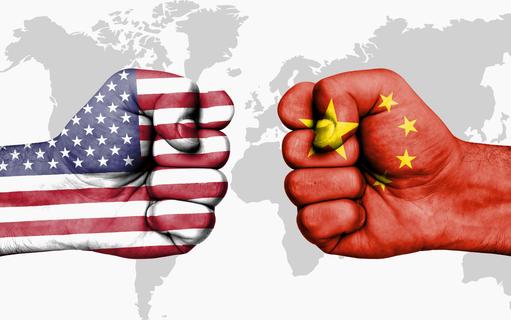
On Saturday 20th October 2022, the Chinese Communist Party (CCP) ended its twice-a-decade Congress. It amended its charter and elected Xi Jinping for a historic third 5-year term, making him China's most powerful ruler since Mao Zedong, the founding leader of the People's Republic. Given these outcomes, followers of HealthPad suggested we re-publish the Commentary, ‘Learn from the Chinese, but don’t misjudge Beijing’, which we do below. The Commentary describes the tightening of China’s regulatory and competitive environments and suggests that Western corporations, with interests in China or thinking of entering the Chinese market, should not underestimate: (i) the large and growing differences between China and the US, and (ii) the CCP’s uncompromising ambition to become economically self-reliant, a world superpower and a global high-tech leader.

Deteriorating East-West relationships
Xi Jinping used the Congress to tighten his hold over the CCP by evicting all remnants of factional opposition, placing political allies in key positions and establishing complete control over the Party and the country. Xi re-emphasized the significance of making science and technology cornerstones of China’s strategy for national economic and military “self-reliance”. He also hinted that China will further decouple its economic links with the US and Europe and increase market restrictions on Western companies trading in China. With Xi’s increased authority and China’s increased global power and influence, it seems reasonable to assume that, in the near-term, China is likely to develop a more aggressive foreign policy, and the US and its Western allies will doubtless respond with a more confrontational approach to China. This significantly raises the possibility that East-West geopolitical relationships will deteriorate further.
 

Guanxi
China and the Chinese are different to the West and Westerners. Whereas most Western nations, have a deep sense of individualism based on democracy with social and political freedoms, China and the Chinese are rooted in Confucian collectivist principles with a top-down hierarchical structure that views individuals as part of a community with ordered and friendly relationships. This is perhaps best understood by the Chinese term, ‘Guanxi’ (关系), which refers to tacit mutual commitments, reciprocity, and trust, and is central to all personal, business, and politico-economic relationships.

China’s ambition
None of China’s renewed global posturing should surprise Western corporate leaders with their fingers on the pulse of their international strategies. For decades China has been increasing its power and influence in the world. In his 2017 report to the 19th Party Congress, Xi Jinping stressed the decline of America’s  international authority and the “substantial and rapidly growing” global power and influence of China. He predicted that, by the mid-21st century, China will have become “a global leader in terms of comprehensive national power and international influence,” and will be a development model for the world.

The past 5-years
Also in 2017, Xi advocated a more aggressive and activist Chinese foreign policy, and over the ensuring 5 years, Beijing has: (i) weakened foreign enterprises trading in China and raised the bar for new entrants, (ii) strengthened Chinese domestic companies and incentivized them to trade internationally, (iii) ratcheted-up pressure on Taiwan, (iv) exerted greater control over Hong Kong, and (v) increased China’s rhetoric and tactics in defence of its interests.
 

Business-as-usual versus strategically active
Over the past 3 decades, China has strategically invested in innovation-driven development, which has helped the nation improve its core competitiveness, and significantly shape its international leadership role. During this time, many Western companies with interests in China have been strategically passive and pursued ‘business-as-usual’ policies, which often meant they: (i) continued to invest in products and services that had been overtaken by technology and were losing market share, (ii) were relatively slow to invest in emerging technologies and develop new offerings, (ii) tended to fixate on their initial success and failed to quickly recognise that something new was replacing it, and (iii) focused scarce resources on short-term performance rather than long-term value. For many corporates, such policies resulted in missed commercial opportunities and weakened global competitiveness.
 

Reducing the healthcare gap
Over the past decades while many Western companies have been strategically passive, China, by contrast, has been strategically active, aggressively developing innovative and technologically advanced solutions to narrow its healthcare gaps caused by increased healthcare demand and shrinking numbers of healthcare professionals. Witness Chinese start-ups that rapidly grew to become significant companies by leveraging data and artificial intelligence (AI) to develop digital healthcare solutions that enhanced patient outcomes and reduced costs. Examples include: WeDoctorAlibaba HealthJD Health, DXY.cn. and Ping An Good Doctor. These, and other digital innovations, provide a range of health services including, online consultations, hospital referrals and appointments, health management, medication regimens, medical insurance, and wellness and prevention programmes. Such initiatives have provided vast numbers of Chinese citizens with easier access to healthcare and enhanced patients’ therapeutic journeys while reducing vast and escalating healthcare costs and shifted many healthcare services out hospitals into peoples’ homes.

Hospital services shifting to the home
This shift is nothing new and not exclusively Chinese. Twelve years ago, Devi Shetty, a world-renowned heart surgeon, was emphasising the impact that digitalization would have on traditional hospital based services. In just 2 decades, Shetty built Narayana Health (NH), India’s 2nd largest hospital group. In 2019, Narayana was recognised by  Fortune Magazine as, “one of the world’s most innovative healthcare providers”. In 2000, Shetty, like his Chinese counterparts, was emphasising that the “next big thing in healthcare is not going to be a magic pill, or a faster scanner, or a new operation. The next big thing in healthcare is going to be IT, which will change the way a health professional will interact with the patient. Every step of patient care will be dictated by a protocol stored on a handheld device. That will make healthcare safer for the patient and shift most hospital activities to the home. The doctor and patient can interact regardless of time and place”. See video.
 
 
Two types of capitalism
The difference between Western and Chinese corporates reflects two different types of capitalist systems: liberal meritocratic capitalism in the West, and state-led authoritarian capitalism in China. In the former, the emphasise on quarterly reporting and the time, effort and costs associated with it tends to encourage short-term performance while the latter creates more opportunities for generating long-term value. There is plenty of evidence to suggest that when executives consistently invest in long-term strategic objectives their companies’ productivity increases, they generate more shareholder value, create more jobs, and contribute to higher levels of economic growth than do comparable companies that focus on the short-term performance. Data also suggest companies that implement effective environmental, social and governance (ESG) strategies, which address the interests of all stakeholders, achieve better long-term value.

Fink criticizes business executives
In 2014, Laurence Fink, chairman of Black Rock, the world’s largest asset manager, criticized Fortune 500 CEOs for their focus on short term corporate behaviour. While recognising the market pressures on company executives, Fink said, “It concerns us that many companies have shied away from investing in the future growth of their companies” and increasingly engaged in actions that “deliver immediate returns to shareholders, such as buybacks or dividend increases, while underinvesting in innovation, skilled workforces, or essential capital expenditures necessary to sustain long-term growth”.

Takeaways
Western corporate leaders are challenged to devise ethical strategies that create long-term value rather than just short-term performance. Following Fink’s suggestions policies to create long-term value might include: (i) developing a suite of strategic initiatives expected to deliver returns that exceed the cost of capital (ii) allocating resources to initiatives that create most value, (ii) focusing on generating value not only for shareholders but for all stakeholders, and (iii) resisting actions that only boost short term profits.
 
  • China is the world’s second largest economy after the US
  • Its MedTech sector is the world’s second largest after the US and accounts for 20% of the global market
  • The size of China’s market is attractive to Western MedTechs but its regulatory and competitive environments are changing, which makes it more challenging for foreign corporations to enter or grow their franchises in China
  • China’s healthcare system has similar structural challenges as those of the US and other wealthy nations: the demand for care is increasing and overwhelming health professionals, which creates care gaps
  • China is ahead of the US and other nations in attempting to reduce such gaps with patient-centric innovative digital therapeutic solutions, which is supported by a deep bench of capabilities
  • Western MedTechs have a lot to learn from Chinese digital health innovations
  • However, Beijing is engaged in an unprecedented mission to become a self-reliant, high-tech economy and a world superpower within the not-too-distant future
  • Misjudging Beijing can have significant commercial consequences
 
Learn from the Chinese, but don’t misjudge Beijing


An earlier Commentary ended by posing the question whether Western MedTechs can compete with China’s large and rapidly growing domestic medical device industry, which benefits from China being the second largest MedTech market in the world behind the US, with annual sales revenues of ~US$84bn in 2020. China now accounts for ~20% of the global medical device market, which is expected to continue an upward trajectory, supported by the nation’s quickly aging population, rising incomes, and the continued enhancement of health services.
 
With this foundation, Beijing is incentivising its domestic MedTech companies to expand internationally. Beijing’s 14th Medical Equipment 5-Year Plan (2021–25) sets a goal to have >6 Chinese MedTechs among the top 50 global industry corporations by 2025. The policy complements Made in China 2025, which is a macroeconomic strategy to reduce China’s reliance on imported foreign products including medical devices. So, while China’s domestic market is becoming more challenging for foreign MedTechs, Beijing is supporting the growth and expansion internationally of its local medical device companies to compete with their Western counterparts. For example, Mindray Medical International, China’s biggest medical device corporation by sales revenue, is the #4 ultrasound vendor in the world and over the next 5 years, expects to increase its overseas sales revenues from <50% today to ~70%.
 
Despite Beijing’s ‘for China’ policies, many Western MedTech leaders view China as a significant commercial opportunity, recall foreign corporations that have prospered in the nation over the past two decades and suggest that it is important to do business there if one of your company’s objectives is to grow its international franchise. But China has changed, and its regulatory and competitive ecosystems are tightening, which present headwinds for Western MedTechs that were not present a decade ago. Further, China has an ambition to become a self-reliant, world leading high tech nation in the not-too-distant future, which could have consequences for foreign companies participating in the Chinese market.
 
With ~400m chronic disease patients, a fast-aging society, vast and rapidly rising healthcare costs, and an economy that has slowed, China is resolute in developing a new model of digitally enabled, patient-centred integrated healthcare. This ambition is supported by significant resources and a deep-bench of capabilities positioned to enable China to achieve its goals, which include transforming its medical devices sector by supporting the development of world class, high tech, patient-centric, digital enterprises.
 
All these factors suggests a dilemma for Western MedTech leaders: China is too big to ignore, but Beijing is too powerful and unrelenting to misjudge.

 
In this Commentary

This Commentary has 3 sections. The first, entitled ‘Reducing care gaps with digital therapeutic innovations’, suggests that China, the US, and other developed nations share a common challenge of care gaps created-by a limited supply of health professionals and a large and increasing demand for care. China’s attempts to resolve these gaps differ from other nations in their scale and nature. They are nationwide innovations predicated upon digital AI strategies, which manifest themselves in digital platforms that directly address patients’ healthcare needs. We briefly describe a few examples of these and suggest that they are advantaged by China’s data policies and AI competencies. Section 2, entitled ‘Capabilities’, describes Beijing’s plans for China to become the world’s leader in AI technologies within the next decade and suggests that China has the capabilities to achieve this goal in the proposed timeframe. The final section entitled, ‘Understanding Beijing’, briefly describes the tightened regulatory and competitive environments and suggests how this impacts the business models of Western corporations seeking to enter the Chinese market or increasing their existing franchises. We posit that China and the Chinese are significantly different to Western democracies and Westerners and emphasize the Chinese Communist Party’s uncompromising ambition to become economically self-reliant, a world superpower and a global high-tech leader. Misjudging Beijing could be commercially damaging for foreign corporations.
 
 
1: Reducing care gaps with digital therapeutic innovations
 
China has similar structural healthcare challenges to the US and other developed economies, which manifest themselves in care gaps caused by a limited supply of overworked healthcare professionals and a vast and rapidly growing demand for care from aging populations. The Chinese population ≥65 years is ~140m, and this cohort is expected to grow to ~230m by 2030. By that time, the nation’s aging middle class will have grown from today’s ~0.3bn to ~0.7bn. High-risk behaviours like smoking, sedentary lifestyles, and alcohol consumption as well as environmental factors such as air pollution take a huge toll on health and increase the demand for care. According to Statista, a large portion of the Chinese population suffer from chronic lifestyle diseases, which account for >80% of the nation’s ~10m deaths each year; >0.5bn people are overweight or obese, while high blood pressure is a common illness among >0.4bn people. China’s healthcare expenditure is growing at >8% a year, and without reform, the nation’s health spending could increase to >US$2trn by 2030. Such factors, together with the nation’s economic slowdown motivate Beijing to prioritize the transformation of its healthcare system.
Significant differences in tackling care gaps

A significant difference between China and the US and other wealthy nations, whose healthcare systems are all in need of reform, is that China has been quicker to develop digital therapeutic technologies to reduce care gaps and relieve its large and rapidly growing burden on hospitals, care systems and families caring for the sick and elderly.
You might also like: 

Should MedTechs follow surgeons or patients?

In any healthcare system, people should be the priority, but because of a dearth of health professionals, overburdened hospitals, soaring health costs and overworked physicians, patients’ needs are often not prioritized. China has been no exception but expects to reverse this trend with the help of artificial intelligence (AI) enabled digital therapeutic solutions that put patients first. Examples include: WeDoctor, Alibaba Health, JD Health, DXY.cn. and Ping An Good Doctor. These, and other digital innovations, provide a range of health services including, online consultations, hospital referrals and appointments, health management, medication regimens, medical insurance, and wellness and prevention programmes. China’s early adoption of AI medical solutions has benefitted from Beijing’s “Healthy China 2030” policy, which, since its launch in 2016, has directed substantial funds to Chinese AI start-ups developing technological innovations to ease the burden of care gaps. According to Tracxn, one of the world’s largest tracking platforms, there are ~227 AI driven healthcare start-ups in China. Let us briefly describe three established ones: WeDoctor, DXY.cn and Ping An Good Doctor.
 
WeDoctor

Tencent-backed WeDoctor, founded in 2010 to provide people with physician appointments, is based in Hangzhou, a city of ~11m and the capital of China’s Zhejiang province. Since its inception, the company has grown into a multi-functional platform offering a range of medical services predicated upon a database of >2,000 Western treatment plans, online pharmacies, health insurance, cloud-based enterprise software for hospitals and other services. Today, WeDoctor hosts >270,000 doctors and ~222m registered patients. It has an impact on reducing care gaps and is one of the few online healthcare providers qualified to accept payments from China's public health insurance system, which covers >95% of the population. WeDoctor's services are especially valued in rural areas, where there are fewer physicians than the national average of 1.5 per 1,000 people.

In response to the COVID-19 crisis the company launched the WeDoctor Global Consultation and Prevention Center (GCPC),  which provided a free 24/7 global online health enquiry service, psychological support, prevention guidelines and real-time pandemic reports. Just before the pandemic, WeDoctor planned to float its medical and health service function on the Hong Kong stock exchange at a valuation ~US$7bn. However, it was pulled because of the Beijing-Hong Kong tensions. WeDoctor’s. other business functions, which include health insurance and health data services, were not included in its proposed flotation, and are likely to stay private to appease Chinese regulators.
 
DXY.cn
 
DXY.cn is an online healthcare community for doctors, patients, and healthcare organizations. It was founded in 2000 and is also based in Hangzhou. Over the past 2 decades it has evolved into the world’s largest community of physicians who use the platform to gain insights from colleagues, discuss new medical research, and report unusual clinical events. More recently, DXY has added a consumer-facing service that brings wellbeing advice and medical consultations to the public. DXY generates revenues from public-facing medical advertising and job recruitment for its life science clients, as well as clinics where patients can receive in-person medical care. According to TechCrunch, in 2021, DXY reached ~130m consumers, >9,000 medical organizations, and had a registered user base of ~20m.
 
Ping An Good Doctor

Ping An Insurance (Group), is one of the world’s largest financial services companies with >210m retail customers and ~560m internet users and is headquartered in Shenzhen, southeastern China. In 2014, it launched Ping An Good Doctor to provide end-to-end, AI-powered health services directly to patients. These include 24/7 online consultations, diagnoses, treatment planning, second opinions, and prescription management solutions. Today, Good Doctor has ~400m registered users and drives synergies across China’s healthcare ecosystem. The platform collaborates with >3,700 hospitals and is supported by an off-line healthcare network of >2,200 in-house medical staff and ~21,000 contracted experts to ensure quality and accuracy of its medical services. The company provides insurance coverage for both users and physicians, which helps to ease China’s healthcare payment pressures. Ping An Good Doctor’s technology also assists patients to manage their personal health records, treatment plans, and medical histories.
 
In 2019, the company launched the world's first AI-powered, un-manned healthcare service: the One-minute Clinic. This is a 3m2 booth, which patients walk into, enter their digitized medical history from their mobile phones, and add their symptoms. The clinic’s algorithms, which have been trained on data from >300m medical records, then make a diagnosis, prescribe drugs, and provide a treatment plan. Medications are purchased from an adjacent vending machine. Within a year of the start of the first clinic, Good Doctor rolled out ~1,000 units in shopping malls, airports and other public spaces throughout China providing onsite medical and pharmaceutical services 24/7. Today, the clinics provide accessible and affordable medical and health services to >3m users. Good Doctor believes that its AI-driven, un-manned clinics have a promising future helping to reduce China’s care gaps and has plans to expand its services into Southeast Asia. In December 2019, the company signed a strategic collaboration with Merck, an American pharmaceutical multinational to advance further intelligent healthcare in China.

 
Internet hospitals

Digital initiatives like those described above have led to the development and spread of internet hospitals, which are online medical platforms associated with offline access to traditional hospitals that provide a variety of services directly to patients. Today, internet hospitals are booming in China, driven jointly by government and market initiatives.
 
The first internet hospital was established in China’s Guangdong province in October 2014. It consisted of four clinics operated by doctors from the Second People's Hospital, an online platform operated by a medical technology company, and a network of medical consulting facilities based in rural villages, community health centres, and large pharmacy chain stores. Initially webcams were used for patients to communicate with physicians and share medical images of their conditions. A patient's vital signs were taken by on-site machines and uploaded onto the system. With all this information, physicians made a diagnosis and prescribed medications, which patients obtained from nearby pharmacies. According to the Lancet, two months after its launch, China’s first internet hospital “was dealing with ~200 patients and issuing ~120 prescriptions every day”. After six months, the number of patients had increased to >500 a day, ~60% of whom needed prescriptions. Soon afterwards, a network of consultation sites expanded to >1,000 facilities in 21 of Guangdong’s municipalities. In 2018, Beijing gave the legislative green light for internet hospitals, which prompted many Chinese digital health companies to start using internet-based AI solutions to meet the country’s medical and healthcare needs and contribute to the reduction of care gaps. By August 2021, >1,600 internet hospitals had been established in China. The public and physician acceptance of these and Beijing’s support for them suggests a new era in digital healthcare.

 
Internet + Healthcare” initiatives

Since 2018, a range of Internet + Healthcare” initiatives have consolidated and enhanced the position of digital healthcare innovations. The success and continual improvement of China’s digital health service platforms all benefit from Beijing’s policies to facilitate medical practice supported by digital tools. Laws and policies have been issued to support this digital transformation, including health data digitalization, data sharing, and interoperability across the whole of China’s healthcare ecosystem. After the outbreak of the COVID-19 pandemic, the government increased its “Internet + Healthcare” efforts to include telemedicine in state medical insurance coverage, and to lift barriers for prescribed drugs sold online.
 
Data advantage

Compared to the US and other Western democracies, China has significant data advantages to drive its digital healthcare initiatives. Eric Topol, a cardiologist, director of the Scripps Research Translational Institute, and author of Deep Medicine: How AI can make healthcare human again, argues that “China has a massive data advantage when it comes to medical AI research”. To put this in perspective, consider that Chinese patient healthcare data are drawn from the nation’s provinces, many of which have populations of >50m. By contrast, US AI research tends to be based on patient data often drawn from one hospital. China’s big data advantage allows machine learning algorithms to be more effectively trained to perform key functions in a range of clinical settings. Another comparative advantage of China is its large workforce of AI specialist, data scientists, and IT engineers, which can work on healthcare projects at comparatively low costs. This is partly the result of China’s emphasis over the past four decades to encourage science, technology, engineering, and mathematics (STEM subjects) in their schools and universities to fuel Beijing’s technological ambitions.

Not known for good data governance practices, but with intensions to expand internationally, China is now tightening its data protection regulations. For example, in November 2021 Beijing introduced the Personal Information Protection Law (PIPL), which is designed to prevent data hacks and other nefarious uses of sensitive personal information. Much like the EU’s General Data Protection Regulation (GDPR), the PIPL stipulates that an individual’s explicit consent must be obtained before their medical health data are collected, and it places the burden on medical AI companies to ensure that these data are secure.
 
2: Capabilities
 
Healthy China 2030

In October 2016, President Xi Jinping announced the nation’s Healthy China 2030 (HC 2030) blueprint, which put patient-centred healthcare at the core of Beijing’s healthcare plans, recognizing its ability to influence both social and economic development. The policy sets out China’s long-term approach to healthcare and shows the nation’s commitment to participate in global health governance, which Beijing recognises as necessary as it seeks to extend its international reach. By 2030, Beijing aims to reach health equity by embracing the United Nations’ Social Development Goal 3.8, which seeks to “Achieve universal health coverage, including financial risk protection, access to quality essential healthcare services and access to safe, effective, quality and affordable essential medicines and vaccines for all”. In 2019, Beijing announced an action plan to accelerate the delivery of Healthy China 2030. This puts patients first in an endeavour to build a healthy society by leveraging AI technologies to reduce the prevalence of lifestyle induced chronic disorders and subsequent care gaps. The World Health Organization (WHO) believes the policy “has the potential to reap huge benefits for the rest of the world”.
 
AI capabilities
 
As China’s economy has matured, its real GDP growth has slowed, from ~14% in 2007 to ~7% in 2018, and the International Monetary Fund (IMF) projects that growth will fall to ~5.5% by 2024. Beijing refers to the nation’s slower growth as the “new normal” and acknowledges the need to embrace a new economic model, which relies less on fixed investment and exporting, and more on private consumption, services, and innovation to drive economic growth. Such reforms are needed for China to avoid hitting what economists refer to as the “middle-income trap”. This is something many Western economies (and corporations) face: it is when countries achieve a certain economic level but then begin to experience diminishing economic growth rates because they are unable to effectively upgrade their economies with more advanced technologies. To avoid this scenario, for the past three decades, China has been investing in AI and systematically upgrading its economy.


You might also like:

Leaning-in on digital and AI


Today, China has a significant supply of innovative AI talent to deliver a Healthy China by 2030. Some of the world’s largest technology companies are Chinese and all are developing different aspects of AI applications. For example, Alibaba’s cloud division concentrates on using AI in healthcare and Baidu, which has numerous AI research laboratories in the US, is focussed on a range of AI innovations, which include “deep learning”, and “big data”. More recently, Baidu added a Business Intelligence Lab, which develops data analytics for emerging data-intensive applications, and a Robotics and Autonomous Driving Lab, which specializes in computer vision.
In 2017 China's State Council launched a 3-step plan to become a world leader in AI technologies by 2030, with a domestic AI industry valued ~US$150bn. Beijing completed step 1 in 2020 by establishing a “new generation” of AI technologies and technocrats and developing national standards, policies, and ethics for its emerging industry. Step 2 is anticipated to be completed by 2025, by which time China expects to achieve “major breakthroughs” in AI applications that will help the completion of upgrading the nation’s industrial sector and thereby avoiding the middle-income trap. The final step is anticipated to take place between 2025 and 2030, which, among other things, will project China internationally as the world leader in AI technologies.
 
3: Understanding Beijing
 
Regulatory changes

A decade ago, foreign MedTechs operated in China with relative ease. Chinese regulations were lighter than they are today, and companies were supported by a multi-layered network of small scale and localised sub-distributors. This fragmented structure resulted in higher prices and tended to encourage corruption, but the relatively high margins obtained from foreign products allowed medical device corporations to compensate the multiple distribution levels and still make a profit. In return, domestic Chinese distributors managed the market and foreign MedTechs did not engage directly with hospitals and physicians.
 
Volume-based procurement

Recent regulatory changes have disrupted this modus operandi for foreign MedTechs. One change positioned to have a significant impact on MedTech profits is volume-based procurement (VBP). This is aimed at lowering the price of medical consumables by tendering the market volume of cities, provinces, or the country to manufacturers with the lowest price. Following a successful pilot with pharmaceuticals, VBP was extended to medical devices in 2019, and since then it has had a significant effect on certain products. For example, the price of cardio stents and hip and knee implants have been reduced by ~70% to ~90%. China’s message is clear: Medtechs are either ‘in’ with significantly lower prices, or ‘out’. This suggests that companies wishing to enter or grow their franchise in the Chinese market will have to adapt their business models by accelerating their pre-launch registrations and post-launch commercialization strategies for new products as margins on legacy offerings are expected to be substantially reduced. However, review processes for new offerings have become longer, more bureaucratic, and more expensive than they were five years ago. For example, if a Class 2 device without clinical studies took ~9 months to register five years ago, today expect ~2 years. VBP has forced foreign MedTechs to consolidate their multi-layered distribution channels to improve economies of scale. 
 
More recently Beijing has introduced a two-invoice policy for the medical devices industry: (i) MedTech to a distributor, and (ii) distributor to a hospital. This will push small and less competitive distributors out of the market and shorten and consolidate supply chains. The likely effect of this is for Chinese distributors to concentrate more on logistics to “deliver product”, rather than managing the market. To the extent that this is the case, a larger share of customer engagement will become the responsibility of MedTechs.
 
This will mean that foreign corporations trading in China will need to reassess their capabilities and adjust their business models. Further, MedTechs operating in China should expect VBP to increase the significance of “value”. This is because the policy is likely to enhance the purchasing power of hospital administrators and reduce that of physicians.  As a result, companies might expect procurement conversations to focus less on clinical outcomes and more on the overall value of products and their potential to minimize costs. Many readjustments companies will be obliged to make to their business models may be achieved by having someone local on the product management team rather than engaging high-margin agencies to resolve critical, but relatively simple domestic challenges.
 
A narrow window of opportunity for foreign MedTechs

Beijing’s “in China for China” policy makes it a condition that foreign companies entering the Chinese market must share their technology and intellectual property (IP) with a domestic “partner”. Beijing has been using this condition to acquire valuable scientific knowhow, which has helped the country to develop a large domestic medical device industry. According to a 2021 research report from Deloitte, a consulting firm, “China now boasts over 26,000 medical device manufacturers”. Beijing’s policies render China a substantially more challenging market to enter and to grow in than it was five years ago. China’s market opportunities for foreign corporations are not only getting tighter; they are getting shorter, and their orientation is changing away from surgeons towards patients. Further, Beijing is on a relentless drive towards self-reliance and tolerates the presence of Western companies in its domestic markets only for as long as they contribute offerings that are useful to the Chinese Communist Party. If China is successful in delivering on its healthcare and high-tech development plans, the window of opportunity for many foreign MedTechs could be only ~10 years.
 
China’s different

China and the Chinese are unlike the West and Westerners. When Deng Xiaoping’s started China’s reforms in 1978 and opened the nation to the world’s trading economies, he created a socialist market economy, in which private capitalists and entrepreneurs co-existed with public and collective enterprise. This formed the foundations for China’s phenomenal economic growth, prosperity, reduction of poverty, massive infrastructure investment, and development as a world-class technology innovator. As a result, many Western business leaders and politicians believed that China had abandoned ideology in a similar way that former communist regimes of Eastern Europe did in the early 1990s after the fall of the Soviet Union. However, such a transformation did not happen in China, which remains a one-party authoritarian state, tightly governed by the Chinese Communist Party (CCP), whose constitution states that China is a “people’s democratic dictatorship”. The CCP has a mission to become the world’s leading technology economy by 2030. This is backed by substantial sovereign wealth and a supply of relevant high tech human capital and an impressive history of national achievements.
 
Scale and speed of transformation

The phenomenal politico-economic progress China has made in a relatively short time is an indication of the nation’s determination, and its ability to affect change, and contextualizes Beijing’s policies to make China a self-reliant economy in the not-too-distant future. A 2022 report jointly released by China’s Development Research Center and the World Bank highlights the nation’s transformation in just four decades, from a struggling agrarian society to a global superpower. The nation’s achievements include increased health insurance coverage to >95% of its 1.4bn population, lifting ~0.8bn people out of poverty, which accounts for ~75% of global poverty reduction in the same period, a burgeoning middle class, which by 2030, will have grown from today’s ~0.3bn to ~0.7bn. In 2010, China overtook Japan to become the world's second largest economic power after the US when measured by nominal GDP. According to the World Bank, in 1960, China's GDP was ~11% of the US, and in 2019, ~67%. Not only is China the world's second-largest economy it has a permanent seat at the United Nations Security Council, modernised armed forces, and an ambitious space programme. China’s growing international clout and economic leadership positions it well to replace the US as the greatest superpower.

Such factors provide a context for Western corporation with global pretentions wishing to engage with and learn from China. At the 13th Annual National People’s Congress in March 2022, Premier Li Keqiang called for “faster breakthroughs” in key technologies, and said the government would increase the tax rebate for small and medium-sized science and technology firms from 75% to 100% and grant tax breaks for basic research to encourage innovation. Significantly, the Congress also underscored self-reliance in China’s economic priorities amid warnings of trade headwinds and geopolitical complexities.

 
Takeaways
 
China is too big a commercial opportunity to ignore. In 2021, China accounted for >18% of the global economy, rising from ~11% in 2012, its GDP was ~US$18trn, and per capita GDP reached US$12,500, which is close to the threshold for high income economies. In recent times, the contribution of China's economic growth to the world economy has been ~30%, which makes China the largest growth engine for the global economy. However, the relationship between China and the rest of the world is changing. As China becomes more self-reliant, its exposure to the world has decreased. Add to this (i) international trade disputes, (ii) increasing geopolitical tensions between the US and China, (iii) the nation’s evolving new rules to evaluate technology flows, (iv) increase of protectionism and (v) its healthcare mission to pivot towards patients, and you have significantly changed trading conditions than a decade ago. Misjudging Beijing’s rapidly evolving commercial ecosystem could be costly for Western MedTechs.
view in full page
  • MedTechs have built proficiencies to successfully create and market physical devices predominantly for the US and Western European markets
  • To remain relevant in the rapidly changing healthcare ecosystem they will need to develop advanced digital and data capabilities and increase their penetration of Asian markets, which will present challenges for most of them
  • Will companies be forced to decide whether to remain hardware manufacturers or become software enterprises, or can they look both ways and prosper?
  • Given the rate of market changes, the next 5 years represent a window of opportunity for traditional MedTechs to pivot and transform their strategies and business models
 
Can elephants be taught to dance?
MedTech’s strategic challenges
 
MedTechs are at a crossroad of manufacturing physical devices and developing software solutions. Both aim to deliver value by enhancing patient outcomes while reducing costs. Can these two scenarios co-exist, or will industry leaders be forced to choose one or the other?
 
For decades, many companies have displayed a deep-rooted reluctance to transform their business models and adopt digitalization strategies and have used M&A activity to become bigger. This suggests that a significant proportion of MedTech leaders are likely to manage increased competition and changing healthcare ecosystems by accelerating M&A activities, which are familiar to them and require no significant change. However, such activities alone will not future-proof companies. Over the next five years, “informed” MedTechs will benefit by shifting away from their current business models that depend on developing and selling physical products predominantly to hospitals in the US and Western Europe and move toward providing patient-centric software solutions as partners in dynamic, connected international healthcare ecosystems.
 
M&A activity to enhance scale

For decades, M&A activities have helped MedTechs to acquire mature assets to tuck into their existing sales and distribution channels. More than anything, this has assisted them to increase their scale, while optimising their portfolios, reducing competition, and improving profits. Over the past decade, when Western markets became more uncertain, monetary policy tightened, technologies advanced, and global economic growth slowed, MedTechs responded by exploiting the fall in the cost of capital to increase their M&A activities with the main purpose of increasing their scale: bigger was generally perceived by industry leaders to be better.
 
Before the COVID-19 pandemic crisis, 2020 was expected to be a strong year for MedTech’s M&A. However, the disruptive impact of the coronavirus outbreak slowed the industry’s M&A performance, and between July 2019 and June 2020, M&A expenditures plunged by 60% compared to the previous 12-month period. Activity returned in Q3, 2020, and today, although high asset valuations and increasing cost of capital have impacted M&A transactions and re-focused attention on organic growth, there are signs that a M&A buyer’s market is developing, but with a difference.
 
The difference is a significant number of M&A transactions do not appear to be focussed entirely on acquiring scale. While there are still some advantages to increasing scale, there are disadvantages, which include having to integrate and service more customers, more employees, and more institutional investors, and this often contributes to strategic rigidities.

 
The demise of scale

The significance of scale was first elaborated in 1937 by Nobel economics laureate Ronald Coase in his seminal paper, The Nature of the Firm, and ~50 years later, repeated by Michael Porter in his book, Competitive Advantage. Both Coase and Porter suggested that scale gained from reducing the ratio of overhead to production would increase the power of firms in markets. In 2013, Rita McGrath challenged this thesis in, The End of Competitive Advantage, by suggesting that bigger was not necessarily better. According to McGrath, in an increasingly high-tech environment, more important than size, is whether enterprises have access to technical capabilities, which can drive top-line growth in dynamic market settings.


Recapitalized MedTech’s M&A firepower
 
According to a 2020 report on the state of the MedTech industry, published by EY, a consulting firm, between July 2019 and June 2020, MedTechs took advantage of low interest rates, and financing levels more than doubled to a record US$57.1bn compared to the previous 12 months; with >40% resulting from debt financing. Thus, as we emerge from restrictions imposed by the COVID-19 pandemic, there is a lot of liquidity in the market and larger MedTechs have significant M&A firepower. Will they use this to become bigger, or will they use their capital to make strategic investments in new technologies and to penetrate large rapidly growing Asian markets?
M&A driving a shift to digital health

In H1,2021, the MedTech sector recorded a total of 33 M&A deals, up from 25 in the whole of 2020. There is some evidence to suggest that some companies in the sector are using their renewed M&A firepower to acquire high growth digital and AI opportunities that can be integrated into their existing product offerings to provide access to new revenue streams and help companies pivot away from being solely dependent upon manufacturing physical devices. We briefly describe four such deals.
 
In January 2020, as the first COVID-19 case was reported in the US, Boston Scientific paid US$0.925bn for Preventice, a developer of mobile health solutions and remote monitoring services, which connect patients and caregivers. Its digitally enabled service has the potential to reduce healthcare costs and improve patient outcomes. In February 2020,  Medtronic, acquired, for an undisclosed sum, Digital Surgery, a London-based privately-held pioneer in surgical AI, data and analytics. The acquisition is expected to accelerate Medtronic’s plans to incorporate AI and data into its laparoscopic and robotic-assisted surgery platforms. In December 2020 Philips acquired BioTelemetry for US$2.8bn. BioTelemetry is a US-based provider of remote cardiac diagnostics and monitoring, with offerings in wearable heart monitors and AI-based data analytics and services. The deal provides Philips with the capability to expand its remote monitoring business outside of hospitals and into lower cost day-care settings and patients’ homes. One of the largest healthcare deals of 2020 was Teladoc’s US$18.5bn acquisition of Livongo, a remote patient monitoring company, founded in 2014, to build a cloud-based diabetes management programme, linking a person’s glucose monitor to personalized coaching to help control blood sugar levels. In 2019, just one year before Teladoc’s acquisition, Livongo IPO’d at a valuation of US$355m, and expanded its products and services to cover high blood pressure and behavioural health with an ultimate goal of leveraging digital medicine to address “the health of the whole person”. 
 
These four acquisitions are from market segments, which run parallel to traditional medical devices and are often perceived by some MedTech executives to be competitors destined to be controlled by giant tech companies such as Apple, Huawei, and Samsung. However, given the rate at which technology is developing, the speed at which MedTech and pharma are converging, and the renewed liquidity in the market, it might be more efficacious for MedTechs to view such specialised digital health companies as partners rather than competitors.
 
Technologies helping MedTechs to develop actionable solutions

Today, many new biomedical technologies are being developed and benefit from continuous miniaturization, enhanced battery life, cost reductions and increasing data storage capacity. One such technology is photoplethysmography (PPG), a non-invasive, uncomplicated, and inexpensive optical measurement method that employs a light source and a photodetector to calculate the volumetric variations of blood circulation. PPG is employed in smartphones and wearables that are used by billions of people worldwide. There is a large and growing global research endeavour to develop more effective and sophisticated PPG algorithms that could be attached to traditional, non-active medical devices and implants to provide accurate and reliable real time monitoring of a wide range of conditions.
 
Outside of specific health monitoring technologies, few MedTechs collect, store, and analyse data generated by their existing traditional devices and implants, and even fewer use such data to facilitate real time, monitoring of conditions. However, some companies are beginning to transform their dumb devices into intelligent ones to gain access to new revenue streams. For example Zimmer-Biomet’s smart” knee, utilizes a biosensor [an analytical device that uses natural biological materials to detect and monitor virtually any activity or substance] to generate self-reports on patient activity, recovery, and treatment failures, without the need for physician intervention and dependence upon patient compliance. 
 
According to Roger Kornberg, Professor of Structural Biology at Stanford University and Nobel Laureate for Chemistry, “the excitement of biosensors pertains to their microscopic size and the ease with which they can transmit wirelessly in real time information about responses to treatment from an implantable device within the body”. [See video below].
 
A fast-growing field of AI is tiny machine learning (TinyML), which has the capability to perform on-device, real time, sensor data analytics at extremely low power, typically in the mW [one thousandth of a watt] range and below. The technology is expected to make always-on use-cases economically viable and accelerate the transformation of dumb devices and implants into smart ones.


Changing traditional R&D models
 
In their search for innovative healthcare solutions, MedTechs might consider increasing their R&D spend and reorganizing their R&D function. MedTech’s R&D spend, as a percentage of revenues, has slowed compared to levels the industry recorded prior to the 2007 financial crash. Overall, the industry tends to allocate more of its capital to share buybacks and investor dividends than to R&D. This strategy may please shareholders in the short term, but it suggests some uncertainty among industry leaders about how to invest for growth in the longer term and could have a medium- to long-term potential downside. 
 
Further, a significant percentage of R&D spend goes on tweaking existing products rather than creating new ones. Given that the future of the industry is dependent upon innovation, it seems reasonable to suggest that, as competition increases and markets tighten, MedTechs will need to consider increasing their R&D resources and capabilities to develop innovative technologies that provide improved actionable solutions across entire patient journeys.

Unlocking value from R&D innovations might require a different culture and new operating models to the ones that tend to prevail today. Instead of lengthy R&D cycles fixed on the launch of a physical product, it could be more beneficial to focus on developing minimum-viable patient-centric solutions, which research teams can deploy early, test, learn from and enhance. Moreover, R&D strategy sessions might benefit by including a mandatory question: “In the near- to medium-term, are there any evolving technologies likely to disrupt a specific market segment important to our company?”.

 
The potential of innovative technologies to disrupt markets
 
To illustrate the significance of this question, consider traumatic brain injury (TBI), which each year affects ~69m individuals worldwide. There is no cure for the condition, and the cornerstone of its management is to monitor intracranial pressure (ICP). [Pressures >15 millimetres of mercury (mm Hg) are considered abnormal, and ICP >20 mm Hg is deemed pathological]. An ICP monitor is expected to be easy to use, accurate, reliable, reproducible, inexpensive and should not be associated with either infection or haemorrhagic complications. Currently, the gold-standard is to drill a small burr hole in the skull, insert a catheter and place it in a cavity [ventricle] in the brain, which is filled with cerebrospinal fluid (CSF). Such an invasive intraventricular catheter system is accurate and reliable, but it is also a health-resource-intensive modality, which runs a risk of haemorrhage and infection. Recent advances in PPG and other technologies have accelerated research developing non-invasive techniques to continuously measure and monitor ICP, which in the medium-term, could replace the gold standard and avoid drilling a hole in a traumatised patient’s skull.   
  
Pros and cons of the COVID-19 crisis

One beneficial outcome for MedTechs of the COVID-19 crisis has been the change in regulatory norms, which favour innovation. In the US, the FDA reduced barriers to market entry for new devices by increasing its emergency use authorization (EUA), which fast-tracks the availability of medical devices. Also, at the onset of the pandemic, the EU deferred for one year the implementation of its Medical Device Regulation (MDR), which governs the production and distribution of medical devices in Europe. In mid 2021, when governments began removing the outstanding legal restrictions imposed to reduce the impact of the third wave of the COVID-19 pandemic, some MedTechs, which had invested in remote communication strategies, chose to build on the changes they had made and invest further in digitalization AI strategies, while many others reverted to their labour-intensive supply channels. According to a June 2021 Boston Consulting Group (BCG) study, “On average, MedTech companies are still spending two to three times more on selling, general, and administrative (SG&A) expenses (as a percent of the costs of goods sold) than the typical technology or industrial company”.
 
A potential disadvantage for MedTechs of the COVID-19 pandemic is that it can lead to an excessive focus on short-term challenges and put off addressing longer-term strategic threats.
 
MedTech executives have never had it so good

Why are some companies reluctant to transform their strategies and business models?

We suggest that a deep-rooted resistance to change results from MedTechs “never having it so good” over a long period. Indeed, for several decades before the global economic crisis in 2007 and 2008, the medical device market was buoyed by limited competition, benign reimbursement policies, aging populations, and a slower pace of technological change compared to today. These factors promoted double-digit growth rates, investor confidence, and solid valuations. This fostered a sense of security among C suites and encouraged “business as usual” agendas, which tended to focus on sharpening legacy products, legacy business models, legacy forms of market access and pricing and legacy capabilities.
You might also be interested in:

Who should lead MedTech?

The 2007-8 financial crisis only inflicted a short-lived blow to the industry and most companies bounced back relatively quickly. Throughout the decade that followed, MedTechs maintained solid financial performance, steady growth, investor confidence and robust valuations. Many enterprises across the industry ended 2019 in a strong position, with some trading at 52-week highs and the industry overall growing revenues at ~6%.
In 2020, the COVID-19 pandemic threw some segments of the industry off course by a substantial reduction in elective care. However, by 2H 2021, most MedTechs had recovered, albeit their annual growth in revenues did not recapture the heights of the early years of the 21st century.
 
MedTechs became like elephants

It seems reasonable to suggest that decades of commercial success shaped the mindsets of industry leaders and resulted in MedTechs becoming like elephants. In 1990, James Belasco published, Teaching the Elephant to Dance, in which he likened organizations to elephants. The book describes how trainers shackled young elephants to a stake securely embedded in the ground so that they could not move away despite their efforts. By the time the elephants became fully grown and had the strength to pull the stakes out of the ground, they were so conditioned they did not move and remained in position even though most were no longer tethered to the stakes. The author uses this analogy to warn how companies can become stuck in obsolete working practices, which are obstacles to their future commercial success.

In 1993, IBM, the world’s largest manufacturer of mainframe computers, had become “an elephant” continuing to produce hardware appliances when the industry was embracing software solutions. IBM, which had posted a US$8bn loss, appointed Lou Gerstner, an executive from outside the computer industry, to turn the company around. Nine years later, IBM had become one of the world's most admired companies. In a book published in 2002, entitled, Who Says Elephants Can't Dance?, Gerstner described how he successfully changed IBM from a maker of hardware to a service orientated company.
 
A 5-year window of opportunity
 
A doubt as to whether many traditional MedTechs can be taught to dance was sewn in a 2021 BCG study cited above, which suggested that enterprises “do not yet have the capabilities in place to develop and implement a next-generation, omnichannel commercial model”. Ten years from now, the MedTech market is projected to be significantly different to what it is today, and what it has been for the past four decades. However, it seems reasonable to assume that because of its size and growth rate, [~US$0.5tn, growing at a compound annual growth rate (CAGR) of ~6% and projected to reach US$0.75tn by 2030], many industry leaders will not feel any pressing need to transform their strategies and business models in the short-term.

However, with a rapidly changing healthcare ecosystem, it seems reasonable to suggests that, to remain relevant after 2030, MedTechs will need to use the next five years as a window of opportunity to prepare solutions that enable them to focus on entire patient treatment pathways, create best-in-class distributive services, and develop digital marketing and sales capabilities that help to expand their influence beyond selling hardware. This will require targeting the “right” market segments, developing the “right” solutions, funding in the “right” R&D, creating the “right” playbooks; and recruiting, retaining, and developing the “right” people with the “right” capabilities.

 
From restricted staged events to real time distribution

Companies are rich reservoirs of clinical data and expertise, but the data tend to be kept in silos and distributed intermittently to a limited number of clinicians and providers at “staged” events. Digital technologies can unlock these assets and facilitate real time, online marketing, self-service portals, and virtual engagements; all of which can provide physicians and providers with unprecedented access to knowhow that can help improve the quality of care and reduce costs. However, shifting to such a distributed care model to drive profitability requires developing a digital, remote, marketing and sales force, which is supported by data analytics, virtual demonstrations, automated call reporting, and AI-supported coaching tools.
 
The reduction of obstacles to data rich digital distributed care strategies

While distributed computing and communications systems have significantly enhanced a wide range of commercial organizations, they have yet to take root in MedTech settings, despite data sharing being critical in modern clinical practice and medical research. A challenge for MedTechs is to engage in data sharing that reconciles individual privacy and data utility. This will entail universally agreed AI and machine learning practices. Although there are sophisticated technologies that can help with this, MedTech’s management and information systems’ personnel may not be prepared to effectively reconcile these competing interests and push for universal data standards. According to a US National Institute of Health report, “The lack of technical understanding, the lack of direct experience with these new tools, the lack of confidence in their management, the lack of a peer group of successful adopters (except for a few academic medical organizations), and uncertainties about reasonable risks and expectations all leave conservative organizational managers hesitant to make decisions”. 
 
While the mindsets of some industry leaders appear to be obstacles to change, other obstacles to transformative business models have been reduced. For instance, privacy is now less of an obstacle for data-rich strategies than it once was. Increasingly, patients show a willingness for their clinical and personal data to be used anonymously in the interest of improving healthcare. Further, regulators’ attitudes towards data are changing.  In September 2021 the FDA published its AI enabled devices that are marketed in the US, which embrace the full scale of approvals from 510(k) de Novo authorizations to Premarket (PMA) approvals. The FDA’s initiative comes at a time of continued growth in AI enhanced digital offerings that contribute to a variety of clinical spheres, and the increasing number of companies seeking to enter this space. There are ~130 algorithms approved for clinical use in the US and Europe.
 
A recent report from Frost & Sullivan, a US market research company, suggests that although in the near-term, traditional medical devices will continue to make up the bulk of the market, after 2024, they are expected to grow at only a CAGR of ~2%. By contrast, digitally enhanced medical devices, and algorithms, which facilitate managing patients remotely and non-intrusively, are expected to grow at a CAGR >14% and reach US$172bn by 2024.

 
The shift to low-cost settings

Over the next five years, as technology advances, populations age, healthcare costs escalate, patient expectations continue to rise, and markets tighten, we can expect the shift away from hospitals to outpatient settings and other lower-cost venues to accelerate. This move to a distributed care model is a headwind for traditional MedTechs, whose principal focus is provider systems rather than patients, and a tailwind for new players entering the market unencumbered by legacy supply chains, costs, and infrastructures. According to an EY 2020 study, ~70% of start-ups in the diagnostics segment have products applicable to the point-of-care setting.
 
Corporate venture funds

To help traditional MedTechs dance leaders of medium sized, well capitalized enterprises might consider copying the world’s largest MedTechs and create corporate venture capital (CVC) funds to invest in tech-savvy start-ups. While 7 of the top 10 MedTechs by sales have venture arms, many company leaders shy away from investing in early-stage, unproven technologies. However, CVC funds offer traditional corporates access to innovations and scarce science, technology, engineering, and mathematics (STEM) skills, which are necessary to capture and analyse data, deliver enhanced care, and drive biomedical R&D with the potential to improve patient outcomes and lower costs.
 
The latest giant MedTech to launch a CVC fund is Intuitive Surgical. In Q4 2020, the company started disbursing capital from its initial US$100m venture fund to start-ups developing digital tools and precision diagnostics, with an emphasis on minimally invasive care. Intuitive is the world’s largest manufacturer of robotic surgical systems for minimally invasive surgery. Since its lead offering, the da Vinci Surgical System, received FDA approval in 2000, it has been used by surgeons in all 50 US states, ~67 countries worldwide and has performed >8.5m procedures.

In the first three quarters of 2020, CVCs participated in investment rounds worth US$1.2bn, which amounted to >25% of the total venture funding the sector raised. The lion’s share went to products and solutions that address digital therapies, telehealth, and treatments for low-cost settings. Such technologies are positioned to continue receiving significant funding in 2022 and beyond. A 2021 study by Deloitte, a consulting firm, suggests that MedTech start-ups, unencumbered by legacy products and practices have capabilities, which stretch beyond traditional devices that support episodic care, and focus on distributed solutions, which address the full patient journey: from diagnosis to rehabilitation. The study also maintains that technologies employed by these enterprises are getting smarter, with ~70% of them including digital AI capabilities.
 
Further, MedTechs with CVC arms might consider allowing their digital business functions to operate within a different organizational framework, giving them greater decision-making authority and enhanced freedoms.

 
Asia Pacific MedTech markets

Before closing let us briefly draw attention to the increasing significance of the emerging Asia Pacific MedTech markets. For the past 4 decades, industry leaders were not obliged to seriously consider penetrating markets outside the US and Western Europe because ~70% of global MedTech revenues came from the US and Western Europe. However, as Western markets tighten, and become increasingly competitive, attention is moving East towards Asia.

Over two decades ago, a handful of giant MedTechs began investing in Asia, but most companies in the sector preferred not to risk navigating such unfamiliar healthcare territories. An early investor in the region was Medtronic, which, since ~2000, has achieved significant growth from a multi-faceted strategy that included exporting innovative products from the US to China, establishing R&D facilities in China to design products specifically for the needs of the Chinese market, crafting partnerships with Beijing to educate patients in under-served therapeutic areas, and acquiring domestic Chinese MedTech companies.

Because of the current political stand-off between the two countries, such a China strategy is not so feasible as it has been over the past two decades. However, it is worth bearing in mind that Asia is comprised of 48 countries with a combined population of ~5bn, which is projected to reach 8.5bn by 2030, [~60% of the world’s population], with 1 in 4 people >60. In 2020, ~2bn Asians were members of the middle class, and by 2030, this demographic is projected to grow to ~3.5bn. Moreover, health insurance coverage in the region is expanding. By contrast, the middle classes in the US and Western Europe are smaller and growing at lower rates. According to the Pew Research Center in 2018, ~52% of the 258m US adults (>18 years) was considered middle class. The dynamics of the Asian middle class is driving a large and rapidly growing Asian MedTech market, which is on the cusp of eclipsing Europe to become the world’s second largest regional market, growing at a CAGR of ~9%.

Further, the region has become an important source of technological innovation. For example, in 2020, its digital health market was valued at ~US$20bn and projected to grow at a CAGR of ~21% until 2027, when its value is expected to be ~US$80bn. Despite its complexities and unfamiliarity, Asia represents a substantial opportunity for MedTechs. However, for Western enterprises to succeed in Asian markets they will require in depth local knowhow, long term commitments, agility, innovation, and robust strategies that can prosper under fiercely competitive conditions.  

 
Takeaways

MedTechs have built capabilities to develop, launch, market and sell physical devices. With some notable exceptions, few have the capabilities necessary to drive significant growth from digitalization and data strategies. Sharpening traditional commercial procedures and practices alone is unlikely to significantly increase growth, especially when competitors and new entrants have business models that are more effective, promote better patient outcomes and provide greater value to healthcare systems.  

MedTechs could play a significant role in the transformation of healthcare, but not without risks and some significant changes to the way they operate. Over the next five years, as competitive pressures increase, industry leaders have a window of opportunity to pivot. Here are six strategic questions that might help in this regard:
  1. Should we support significant investments in digitalization, and data analytics to improve our supply chains and R&D endeavours to convert dumb devices and implants into smart ones?
  2. What are the top three actionable innovations that we can develop in the near-term to provide access to new revenue streams?
  3. What are the top three technologies likely to disrupt our product offerings in the near- to medium-term and what should we do about them?
  4. Can we remain a hardware manufacturer while developing significant software solutions that embrace entire patient journeys or must we choose between manufacturing and software?
  5. How do we create valuable solutions that enhance patient journeys from data?
  6. How are global markets changing in ways that are not reflected in our company’s discussions?
The answers to these questions will help to shape a corporation’s strategy, and inform M&A and CVC activities, “must have” capabilities, desired partnerships, R&D spend and agendas, and the type of business models to pursue. All critical for teaching elephants to dance.
view in full page

Is the digital transformation of MedTech companies a choice or a necessity?
 
Will 2019 see medical technology (MedTech) companies begin to digitally transform their strategies and business models to improve their commercial prospects?
 
We describe some of the changing market conditions that drive such transformations. We also briefly report the findings of two research papers on corporate digital transformations published in recent editions of the Harvard Business Review. These suggest that there are two “must haves” if company transformations are to be successful: leadership with the appropriate mindset and access to talented data scientists.
 
A bull market encouraging a business-as-usual mindset
 
MedTech is a large growing industrial sector (see below), which has benefitted significantly from the bull market in equities over the past decade but is one of the least equipped to prosper over the next decade in a radically changing healthcare ecosystem and a more uncertain global economy.

For the past decade equity markets have outperformed global economic growth and protected a conservative, production-orientated business-as-usual mindset in MedTech C-suites and boards of directors. This has made organizations either slow or reluctant to transform their strategies and business models, which define how they create and capture value. As we enter 2019 the protection that the MedTech industry enjoyed for years has been weakened by more uncertain markets, the tightening of monetary policy, slower global economic growth and disruptive technological change.

In this new and rapidly evolving environment MedTech markets are expected to continue growing but at a slower rate, operating margins are expected to decline as unit prices erode and companies will no longer be able to earn premium margins by business-as-usual strategies. Building a prosperous organization in a more uneven future is an important challenge facing MedTech leaders and will require a significant shift in their mindset and the talent they engage and develop.  
 

Medical technology

MedTech represents a significant sector of global healthcare, which has been relatively stable for decades. It has a market size of some US$430bn and has consistently experienced high margins and significant sales growth. For example, over the past decade the sector has grown at an annual compound growth rate of about 5%, with operating margins between 23% and 25%. The sector includes most medical devices, which prevent, diagnose and treat diseases. The most well-known include in vitro diagnostics, medical imaging equipment, dialysis machines, orthopaedic implants and pacemakers. The US and Western Europe are established centres for the sector, but trends suggest that China and India will grow in significance over the next decade. The sector is dominated by about 10 giant companies, which account for nearly 40% of the global market in sales revenues. All MedTech companies have significant R&D programs and the global spend on R&D is expected to grow from US$27bn in 2017 to US$34bn by 2022. An indication of how far developments in medical technology have come is robot-assisted surgery, which employs artificial intelligence (AI) for more precise and efficacious procedures. Robot-assisted surgery is expected to become a US$13bn global market by 2025. In the US the repeal of the medical device excise tax was not included in the recent tax reform. The industry believes the tax has a negative impact on innovation, and the rate of R&D spending by US MedTech companies is expected to fall by 0.5% over the next five years.
 
Resistance to change

For the past decade a substantial proportion of MedTech companies either have resisted or been slow to transform their strategies and business models despite increasing pressure from rapidly evolving technologies, changing reimbursement and regulatory environments and a chorus of Industry observers calling for MedTech companies to become less product-centric and more solutions orientated. This reluctance to change can be explained by a bull market in equities, which began in March 2009, outperformed economic growth, delivered some of the best risk-adjusted returns in modern market history and encouraged a conservative mindset among corporate leaders, who were reluctant to change and developed a “if it’s not broken why fix it” mindset.

Because the MedTech sector has been stable for years, established players have been able to compete successfully across the device spectrum, applying common business models and processes without much need for differentiation. MedTech’s strategy has been to market high priced sophisticated product offerings in a few wealthy regions of the world; mainly the US, Western Europe and Japan, which although representing only 13% of the world’s population account for more than 86% of the global MedTech market share (US: 42%, Europe: 33%, Japan: 11%). It seems reasonable to assume that in the future, as markets become more turbulent and uncertain, this undifferentiated strategy and business model will need to transform into ones that are far more distinctive and proprietary.

 
M&A has been MedTech’s principal response to market headwinds

MedTech’s principal adjustment to market headwinds over the past decade has been to increase its M&A activity rather than transform its strategies and business models. M&A’s increased companies scale and leverage, drove stronger financial performance, allowed companies to obtain a broader portfolio of product offerings and increased their international footprints. Some recent high-profile examples of M&A activity in the sector include Abbott’s acquisition of St. Jude’s Medical in January 2017, which led to Abbott holding some 20% of the US$40bn global cardiovascular market. Johnson & Johnson’s US$4bn buyout of Abbott Medical Optics Inc in February 2017, and the “mother of all M&A activity” was Becton Dickinson’s 2017 acquisition of C.R. Bard for US$24bn, which is expected to generate annual revenues of US$15bn.

According to a January 2018 McKinsey report between 2011 and 2016, 60% of the growth of the 30 largest MedTech companies was due to M&A’s, and between 2006 and 2016, only 20% of 54 pure-play publicly traded MedTech companies, “mostly relied on organic growth”. 
As MedTech leaders return to their desks in early 2019 after the worst December in stock market recent memory, they might begin to reflect on their past all-consuming M&A activity, which resulted in bigger but not necessarily better companies. After such a prolonged period of M&A’s, there is likely to be a period of portfolio optimization. Divestitures and spin-outs allow companies to capture additional value by improving capital efficiency, reducing operational complexity and reallocating capital to higher-growth businesses as the industry invests more in R&D to develop innovative product offerings that demonstrate value in an increasing volatile era and increasing price pressures. But divestitures are not necessarily changing strategies and business models, so MedTech’s vulnerabilities remain.
You might also like:

Who should lead MedTech?


The IoT and healthcare


Black December 2018 for equities
 
It is too early to say whether “Black December 2018” represents the end of the longest equity market bull-run in recent history, but it is worth noting that on Friday 21st December the Nasdaq composite index closed at 6,332.99, which was a drop of 21.9% from an all-time high of 8,109.69 on August 29th. The generally accepted definition of a bear market is a drop of at least 20% from a recent peak. World markets followed Wall Street. Japan’s Topix Index fell to its lowest level for 18 months and the pan European Stoxx 600 Index hit a two-year low. However, seasoned market observers suggest that although the average bull market tends to last for about 10 years, it does not simply die of old age, and the December 2018 market behaviour is consistent with a “maturing cycle” in which there is still room for stocks to grow. This note of optimism could encourage a continuation of a “business-as-usual” mindset in MedTech C-suites and boards of directors.
 
Anaemic economic growth forecasted

The outlook for the global economy in 2019 does not bring any comfort. In October 2018 the International Monetary Fund lowered its forecast for global economic growth for 2019, from 3.9% to 3.7%; citing rising trade protectionism and instability in emerging markets. In September 2018 the Organisation for Economic Cooperation and Development (OEDC) suggested that economic expansion may have peaked and projected global growth in 2019 to settle at 3.7%, “marginally below pre-crisis norms with downside risks intensifying.” The OECD also warned that the recovery since the 2008 recession had been slow and only possible with an exceptional degree of stimulus from central banks. And such support is ceasing.
 
Tightening of monetary policy

Global monetary policy is tightening as central banks retreat from their long-standing market support. After four years of quantitative easing (QE) the European Central Bank (ECB) has ended both its money printing program and its €2.6trn bond purchasing program. The Bank has done this just as the Eurozone growth is cooling and Europe seems to be destined for a slow relative decline, which raises concerns about the sustainability of the single currency area. Notwithstanding, some observers suggests that for the next few years capital can be reasonably safely deployed in the beer-drinking nations of northern Europe, but not in the wine-drinking countries of southern Europe; especially France and Italy, two countries at the centre of the Eurozone’s current challenges. France’s budget deficit exceeds that permitted by the EU and in the latter part of 2018 the nation’s anti-government gilets jaunes demonstrators led to President Macron promising more welfare spending than the nation can afford. This could suggest that France is on the cusp of an Italian-style debt crisis. Although these economic trends have been telegraphed for some time, after nearly a decade of a bull market and low interest rates, there seems to be some complacency in the equity markets about the risks from higher rates and elevated corporate debt. But this sentiment is expected to change in 2019.
 
Transformation is no longer a choice

This more uncertain global economic outlook, heightened US-China tensions, tighter monetary policy and a maturing global business cycle together with significantly changed and evolving healthcare ecosystems suggest that transformation of MedTech strategies and business models is no longer a choice but a necessity if they are to maintain and increase their market positions over the next decade.
 
A challenge for many MedTech companies is that they still work on dated and inappropriate systems or hierarchical processes, and too few leaders and board members fully comprehend the speed and potential impact of advanced digital technologies. Those organization with some appreciation of this are already looking to adjacent sectors for talent and knowhow that could help them evolve their strategies and business models. But such partnerships might not be as efficacious as expected. We explain why below.
 
Digital transformations

Let us turn now to consider digital transformations. Data scientists and machine learning engineers are critical to any digital transformation. One significant challenge for companies contemplating such change is talent shortage, which disproportionately affects companies not use to dealing with such talent. Data scientists are aware of their scarcity value and they tend not to work in IT silos of traditional hierarchical organizations but prefer working for giant tech companies in devolved networked teams, focusing on projects that interest them.

Companies that fail to engage talented data scientists will be at a disadvantage in any digital transformation. Mindful of such challenges some MedTech companies are beginning to partner with start-ups and smaller digitally orientated companies. But this is not necessarily an answer because talent shortage also affects start-ups. The answer lies in understanding how giant tech companies recruit talented individuals. Companies like Google and Facebook are more interested in “tech savvy” individuals and less interested in formal qualifications. They tend to catch such talent with attractive internships when they are seniors in high school and juniors at university. These companies understand digital technology and have seen enough interns that they can correlate their performance on coding tests and technical interviews with their raw ability and potential rather than relying on formal qualifications as a proxy for skill.
 
A new and more dynamic leadership mindsets

Future MedTech leaders will not only need to have a deep knowledge of disruptive digital technologies and AI systems, but will need to have the mindset of an “inclusive networked architect” with an ability to create and develop learning organizations around diverse technologies with dispersed talent. Traditional hierarchical production mindsets, which have benefitted from business-as-usual for the past decade are unlikely to be as effective in an environment which is experiencing the impact of a significant and rapid shift in technological innovation. Sensors, big data analytics, AI, real-world evidence (RWE), robotic and cognitive automation are converging with MedTech and encouraging companies to pivot from being product developers to solution providers. This requires leaders with mindsets that reward value instead of volume and are agile enough to meet increasing customer expectations, whether those customers are payers, providers or patients.

Without leaders with informed, forward-thinking mindsets, enthused about new models of organizational structures, culture and rewards that provide greater autonomy to talented teams and individuals, MedTech companies could remain at a disadvantage in competing with other technology companies for similar talent and expertise. Future MedTech leaders must understand how work is being redefined and the implications of this for talented individuals and devolved networked teams. It seems reasonable to assume that future MedTech leaders will be generalists: executives with more than one specialism with an ability to breakdown silos and bridge knowledge gaps across organizations and develop new models of organizational structure, culture, and rewards.
 
Successes and failures of digital transformations

We have focused on digital transformation of traditional companies as a means for them to prosper in radically changing market conditions. Although there has been a number of successful corporate digital transformations there has also been a significant number of failures. Understanding why some succeed and some fail is important.
 
Successful digital transformations

One notable successful digital transformation is Honeywell, a Fortune 100 diversified technology and manufacturing company, which overcame threats from market changes and disruptive digital technologies by transforming its strategies and business models. In 2016, Honeywell’s Process Solutions Division, a pioneer in automated control systems and services for the  oil, gas, chemical and mining industries, set up a new digital transformation unit to assist its customers to harness advantages from the Internet of Things (IoT) by increasing their connectivity to an ever-growing number of devices, sensors and people in order to improve the safety, reliability and efficiency of their operations.

The Unit’s primary focus is on outcomes, such as reducing costs and enabling faster and smarter business decisions. Honeywell’s IoT platform called Sentience, is considered a toolkit to collect, store and process data from connected assets, offering services to analyse these data and generate insights from them to enable data-based, value-added services. Unlike similar platforms developed by Siemens and General Electric (GE), Honeywell does not sell their platform as an app, but markets data-based services predicated on its platform, which enable its customers to optimize the performance of their connected assets and improve overall production efficiency. Other corporations that have set up similar transformation units to harness the benefits of disruptive technologies include Hitachi, Hewlett-Packard, SAP and UPS.

Failed digital transformations

Perhaps the biggest digital transformational failure is General Electric (GE). In 2011, the then CEO Jeff Immelt became an advocate for the company’s digital transformation. GE created and developed a significant portfolio of digital capabilities including a new platform for the IoTs, which collected and processed data used to enhance sales processes and supplier relationships. Immelt suggested that GE had become a “digital industrial company”. The company’s new digital technology reported outcomes of a number of indices, which over time improved and attracted a significant amount of positive press. Notwithstanding, activist investors were not so enamoured, GE’s stock price languished, Immelt was replaced and the company’s digital ambitions came to a grinding halt. Other notable corporates, which tried and failed to harness the commercial benefits from disruptive technologies include Lego, Nike, Procter & Gamble and Burberry.  

Digitally transformed companies outperform those that resist change

Notwithstanding, research findings published in the January 2017 edition of the Harvard Business Review suggest that digitally transformed companies outperform those that lag behind. Findings were derived from 344 US public companies drawn from manufacturing, consumer packaging, financial services and retail industries with median revenues of some US$3.4bn. Conclusions suggest that digitally transformed companies reported better gross margins, enhanced earnings and increased net income compared to similar companies, which lagged behind in digital change. “Digital technology changes the way an organization can create value: digital value creation stems from new, network-centric ways your business connects with partners and customers offering new business combinations,” say the authors of the study. Critically, the mindset of leaders is significantly linked to successful digital transitions. According to the study’s authors, “Our research indicates that these leaders approach the digital opportunity with a different strategic mindset and execute on the opportunity with a different operating model.”

Reasons for failing to transform

According to a paper published in the March 2018 edition of the Harvard Business Review there are four reasons why digital transformations fail.
  • Leaders’ narrow understanding of “digital”, which is not just technology but a blend of talented people, organizational culture, appropriate machines and effective business processes
  • Poor economic conditions and depressed demand for product offerings
  • Bad timing. It is important that your market sector is prepared for the changes your company is proposing
  • Paying insufficient attention to legacy business. “The allure of digital can become all-consuming, causing executives to pay too much attention to the new and not enough to the old”. 
 
Takeaways
 
Business history has shown that large and established companies, which fail to respond to disruptive technologies in a timely and appropriate fashion can fail and disappear. Notable examples include America Online, Barnes & Noble, Borders, Compaq, HMV, Kodak, Netscape, Nokia, Pan Am, Polaroid, Radio Shack, Tower Records, Toys R Us and Xerox. MedTech leaders might be mindful of Charles Darwin’s hypothesis, which he describes in his book, On the Origin of Species published in 1859. Darwin suggests that “in the struggle for survival, the fittest win out at the expense of their rivals because they succeed in adapting themselves best to their environment”. Such a statement would not be out of place in a modern boardroom. It suggests that all industrial sectors need to develop to keep abreast of innovations and evolving trends. The main difference is that Darwin’s natural selection processes take millions of years, while significant changes that effect commercial businesses can take a matter of months.
view in full page
  • China will not challenge the economic supremacy of the US in the near to medium term
  • But with a GDP of US$14trn growing at 6.9% a year China is a substantial economy and a significant trading partner of the US
  • China is replacing imported high-tech products with domestic ones and incentivizing Chinese companies to dominate high value global industries
  • China’s large and increasing supply of appropriately qualified human capital gives it a competitive edge
  • Beijing’s US$8trn-30-year Belt and Road (B&R) strategy aims to make China the centre of a new world order in which knowledge-based Chinese companies dominate high-value global markets
  • China is challenged by substantial debt and significant credit it has extended to economically weak nations
  • Notwithstanding, Western companies seeking growth outside their current wealthy markets need to develop constructive trading relationships with China
  • Lack of understanding and cultural differences are barriers to productive West-East trading relations
 
Can Western companies engage with and benefit from China?
 
Previously we described how Beijing had offered Western companies a ‘poisoned challis’: either localize your value chain and help China achieve its goals to dominate key industries globally or be progressively squeezed out of markets. Washington responded by levying punitive tariffs on products manufactured in China and marketed in the US in an attempt to force Beijing to change. China hit back, cross fire ensued, more US tariffs were levied, markets became nervous and a ‘flight for liquidity’ seems a possibility. This is when equity players become nervous about uncertainties in markets and move their investments into more liquid securities in order to increase their ability to sell their positions at a moment’s notice. To some observers the current trade conflict between the world’s two largest trading nations must seem like Stanley Kramer’s 1952 epic ‘High Noon” movie. The difference being the 2018 showdown could affect the lives of billions and threaten the global economy. The fact that the world can be brought to such a position in such a short time is partly due to a profound lack of understanding and cultural differences between Washington and Beijing and vice versa. The differences manifest themselves as: (i) competition versus harmony, (ii) short-termism versus long-termism, (iii) tactics versus strategy and (iv) nationalism versus globalism. These differences pervade organizations, institutions and mindsets in the respective regions.
 
In this Commentary

This Commentary is divided it into 3 parts.
  • Part 1: China’s penetration of emerging markets discusses the implications of China’s stated aim to become a major global high-end, knowledge-based economy and describes how, for the past three decades, the nation has been preparing for this by systematically upgrading its human capital. From a perceived position of strength Beijing suggested to Western companies seeking or increasing their franchises in China that unless they are prepared to localize their value chains, not only will they be squeezed out of the China market, but they will also encounter challenges in other large emerging markets as China’s presence and influence in these markets increase. This is significant because the world’s emerging economies are the growth frontiers of many high-tech industries. 
  • Part 2: China’s economic rise and its strategic objectives briefly describes China’s phenomenal transformation from a centrally managed economy to the world’s second largest economic power and a significant commercial partner of the US. We provide glimpses of some aspects of China’s recent history in order to convey the scale of its industrial reforms and its well-resourced, central government-backed long-term strategies to establish China as a world leader in knowledge-based high-value industries. We describe China’s planned slowdown of its economy and how Beijing is systematically upgrading its human capital. Indicative of China’s increasing trading prowess are its new technology companies. We describe three, which are likely to have a significant global impact in the next 5 years. We conclude part 2 with a description of the Pearl River Delta, China’s high tech production hub, in order to provide further insights into China’s achievements, the nature and scale of its projects to upgrade its economy and the thinking that drives China’s economic transformation. 
  • Part 3: China’s ‘Belts and Road’ (B&R) initiative. B&R is a bold neo colonialistinitiative to build a 21st century ‘Silk Road’ of infrastructure and trade-links between China and Eurasia. This is expected to stimulate trade, economic growth and domestic employment in some of the least developed regions of the world, which have suffered from post-colonial decline and are neglected by the West. Beijing expects that the B&R project will position China at the centre of a newly formed global trading network. We review some of the concerns raised by the R&D initiative including China's increasing exposure as a principal creditor to economically weak nations. This, together with China's mounting debt, presents Western companies with a dilemma: China is too big to be ignored but its structural weaknesses could be damaging.   


Part 1
 
 China’s penetration of emerging markets
 
 
Made in China 2025 (MIC25) incentivizes Chinese enterprises to develop their competences and capacities in order to respond to the pivotal needs of global customers to reduce costs while maintaining value by providing affordable quality product offerings.  It also encourages Chinese companies to become ‘global champions’ and help China establish itself as a dominant international force in knowledge-based technologies of the future. As a result, Chinese companies are successfully taking share of key segments in emerging markets. So, Beijing’s industrial strategies not only increase the challenges for Western companies in China, but also provide potential barriers for them to penetrate and increase their franchises in other large emerging markets such India and Brazil, which are the future growth frontiers.
 
China’s investment in human capital

Beijing’s well-resourced strategies to transition China from a manufacturing-based economy to a high-end, innovation-driven, knowledge-based economy could not be achieved without a significant supply of relevant human capital. It is instructive that for the past three decades China has been systematically upgrading its human capital, while Western nations have not been doing so at a similar pace.
 
According to the World Economic ForumChina has committed massive resources to education and training. In 2016 China was building the equivalent of one university a week and graduated 4.7m citizens, while in the US 568,000 students graduated. In 2017, there were 2,914 colleges and universities in China with over 20m students. The US had 4,140 with over 17m students enrolled. Significantly, between 2002 and 2014 the number of students graduating in science and engineering in China quadrupled. In 2013, 40% of all Chinese graduates completed a degree in science, technology, engineering or mathematics (STEM), whilst in the US only 20% of its graduates did so. In addition to China producing more STEM graduates than either the US or Europe, which are vital for high-tech knowledge-based industries of the future, the gap between the top Chinese and US and European graduates is widening. Projections suggest that by 2030 the number of 25 to 34-year-old graduates in China will increase by a further 300%, compared with an expected rise of around 30% in the US and Europe. This represents a substantial shift in the world's population of graduates, which was once dominated by the US, and gives China a potential competitive edge in high-tech growth industries of the future.
 
Further, US students struggle to afford university fees. Many American colleges and universities are struggling financially and as a consequence actively recruiting foreign students. In recent years, the number of Chinese students admitted to US universities has increased significantly. In 2017 for instance, some 350,000 Chinese students were recruited. Most graduates return to China with quality degrees. European countries have put a brake on expanding their universities by either not making public investments in them or restricting universities to raise money themselves.
 
Shanghai students are world’s best in maths, reading and science

Supporting this competitive edge is China’s world-beating performance of its 15 and 16-year-olds. According to an internationally recognised test, Shanghai school children are the best in the world at mathematics, reading and science. Every three years 0.5m students aged 15 and 16 from 72 countries representing 80% of the global economy sit a 2-hour examination to assess their comparative abilities in these three subjects. The examination, called the Program for International Student Assessment (PISA), is administered and published triennially by the Organisation for Economic Co-operation and Development (OECD). When the 2009 and 2012 PISA  scores were released they created a sensation, suggesting that students in Shanghai have significantly better mathematics, reading and science capabilities than comparable students in any other country.  Although these scores have been contested, and the most recent test scores suggest Shanghai students have slipped down the rankings, in the 2012 tests Shanghai students performed so well in mathematics that the report compared their scores to the equivalent of nearly three years of schooling above most countries.
 

Human capital strategies challenged by aging populations
Human capital strategies in China, the US and Western Europe are all challenged by aging populations. According to the United Nations, China’s population is ageing more rapidly than any country in recent history. America’s 65-and-over population is projected to nearly double over the next three decades, rising from 48m to 88m by 2050. The UK’s population also is getting older with 18% aged 65-and-over and 2.4% aged 85-and-over. In 2014, 20% of Western Europeans were 65 years or older and by 2030 25% will be that age demographic.
 
Taking share of high-value MedTech markets
 
Many Western MedTech companies are late-bloomers in emerging markets. This can partly be explained by the two decades of economic growth the industry experienced from developed markets and the continued buoyancy of the US stock market.  Thus, Western MedTech companies have felt little pressure to adjust their strategies and business models and venture into territories committed to “affordable (low priced) medical devices”. Beijing seems determined to take advantage of this and Chinese companies are increasing their share of large fast growing and underserved emerging markets by: (i) increasing their innovative go-to-market strategies and (ii) making sure they “localize” their product offerings. We briefly describe these two strategies.
 
Innovative go-to-market approaches

According to OEDC data, between 2000 and 2016 China doubled its R&D investment to 2% of GDP, which is more than the EU but less than America. In 2016, the US spent 2.7% of its GDP on R&D, which is more than any country. Individual Chinese domestic companies are also increasing their investments in R&D as part of their growth strategies. For instance, over the past decade, Mindray, China’s largest MedTech company has spent more than 10% of its annual revenues - currently US$1.7bn - on R&D. The company has a large R&D team of over 1,400 located in 2 centres: 1 in Mahwah, China and another in Seattle, USA. BGI, China’s largest manufacturer of next-generation gene-sequencing equipment, devotes more than 33% of its revenues to R&D, double that of its US competitor Illumina. In aggregate, however, Chinese companies are a long way behind their Western counterparts when it comes to R&D spending.
 

Supercomputers
High-tech companies require supercomputers to assist with their R&D and innovative strategies. These are powerful and sophisticated machines with enormous processing power, which can support medical and scientific R&D. According to an internationally recognised ranking, which has been conducted biannually by leading scientists since 1993, China leads the world with its installed-base of supercomputers. China has 206 and  America has 124. In 2000 China had none. The most recent rankings show that the US has regained the top performance position from China with an IBM-system-backed supercomputer now running at the US Department of Energy’s Oak Ridge National Laboratory. 
 

Increasing number of Chinese patents
Although the US maintains a lead in scientific breakthroughs and their industrial applications, innovation is increasing in China. The number of invention patent applications received by China in 2016 was 1.3m, which was more than the combined total from the US (605,571), Japan (318,381), South Korea (208,830), and the EU (159,358). Patents from these five countries accounted for 84% of the world total in 2016. 
 

Increasing share of high-tech markets
Emboldened by enhanced processing power, increased patents, greater R&D capacity and improved capabilities, Chinese MedTech companies are increasingly represented across a broad spectrum of high-end medical technologies and have made significant inroads into emerging markets. Some manufacture Class III product offerings such as orthopaedic implants and are beginning to compete in medium-level technology markets in Brazil, India, Japan and the UK. For instance, SHINVA markets its linear accelerators globally. Sinocare is #6 in the global market for blood glucose monitoring devices. In 2008 Mindray paid US$200m to acquire the patient monitoring business of US company Datascope, making it the third-largest player by sales in the global market for such devices. Also, Mindray has increased its share of the ultrasound imaging market to 10%, behind GE and Phillips. MicroPort broke onto the world stage in early 2014 when it acquired Wright Medical’s orthopaedic implant business for US$290m. In 2015 China overtook Germany to become Japan’s second largest supplier of MRI devices, behind the US, and Biosensors International is among the largest suppliers of drug-eluting stents in France, Germany, Italy, Spain and the UK.
 
Localized product offerings in India
 
Mindray, which positions itself as a world-class MedTech solutions company, has established a significant presence in India where it has built local operations, tailored its line of affordable high-quality patient monitoring, ultrasound and in vitro diagnostic devices to address India’s unmet needs, hired local engineers and operators and built a local marketing and sales team, which provides a 24-7 customer service. Mindray has understood that many of the factors, which drive China’s MedTech market growth are mirrored in India and other rapidly growing emerging markets that share a similarly high disease burden, aging demographics and a desire to reduce healthcare costs.
 
Mindray was one of China’s earliest MedTech companies to list in New York in 2006. However, the company felt its shares were undervalued and privatized in 2016 in a deal, which valued the company at US$3.3bn. A funding round shortly after its delisting valued Mindray at US$8.5bn. The company employs over 8,000 and its 2017 revenues were US$1.7bn.
 
India’s MedTech market
 
The attraction of India to MedTech companies is easy to understand. India’s MedTech market is the 5th largest in the world and could rival that of Japan and Germany in size by 2022 if it continues its 17% annual growth. Although India mainly has been an out-of-pocket healthcare market this is changing. In September 2018, the Indian government launched one of the world’s largest publicly funded health insurance schemes, which will provide some 0.5bn poor people with health cover of US$7,000 per year (a sizable sum in India) for free treatment of serious ailments. India’s medical device markets, like those of China’s, will benefit from this, but also from the country’s large and growing middle class with relatively high disposable incomes in an economy growing at around 7 to 7.5% annually.
 
In 2016 India’s middle class was estimated to be 267m - 83% of the total population of the US - and projected to increase to 547m by 2025. Further, India has a large and growing incidence of lifetime chronic diseases, which expands the need for medical devices. Between 2009 and 2016, China emerged as India’s 3rd largest supplier of medical devices (behind the US and Germany) and is currently India’s leading provider of CT scanners, representing 50% of the US$69m that India spent on imports of these high-tech devices during 2016. India’s orthopaedic devices market is estimated to be around US$375m and is projected to grow at about 20% each year for the next decade to reach US$2.5bn by 2030. In contrast the global orthopaedics industry is estimated to grow at 5% annually.

China is positioned to increase its share of MedTech markets in India and other emerging countries. This suggests that unless Western companies are prepared to transform their strategies and change their business models similar to what Medtronic and GE Healthcare have done, they will not only be squeezed out of the China market but shall encounter challenges to penetrate and increase their franchises in other large emerging MedTech markets. This is significant because the world’s emerging economies are the growth frontiers of the MedTech industry.


Part 2

China’s economic rise and strategic objectives: background

 
How long can China sustain its rise?”. We broach this question in the next two parts of this Commentary. Here in Part 2, we describe some relevant aspects of China’s recent commercial history, its success in producing high tech global companies and we also provide a glimpse of its urban communities for creating and developing companies of the future.

It was not until the early 1980s, after the death of Mao Zedong in 1976, that China started to dismantle its centrally planned economy and began implementing its free market reforms and opened its economy to foreign trade and investment. Shortly afterwards China: (i) became the world’s fastest growing market-based economy with real annual GDP growth averaging 9.5% through 2017, (ii) lifted 800m citizens out of poverty and (iii) overtook Japan to become the world's second largest economy. By 2010 China had become a significant commercial partner of the US and is now America’s largest merchandise trading partner, its biggest source of imports and America’s third largest export market. Also, China holds US$1.7trn of US Treasury securities, which help fund the federal debt and keep US interest rates low. It is worth noting that China has a long history dating back more than 2,000 years BC. In more recent times, Adam Smith the father of modern capitalism, described China in The Wealth of Nations (1776) as a country which is, “one of the most fertile, best cultivated, most industrious, most prosperous and most urbanized countries in the world”.

 
Avoiding a middle-income trap
 
Over the past decade China’s economy has matured and Beijing has managed a planned slowdown of its growth rate to what it calls the “new-normal”. In 2017 China’s GDP was 6.9% and is projected to fall to 5.6% by 2022. The orchestrated slowdown is less based on fixed investment and exports and more on private consumption of China’s large and growing middle class, enhanced services and innovation. A previous Commentary described Beijing’s Made in China 2025 (MIC25) initiative and other policies, which prioritised innovation and the systematic upgrading of its domestic industries whilst decreasing its reliance on foreign technology. This is essential for China to avoid a ‘middle income trap’, which happens when nations achieve a certain level of economic growth, but then begin to experience diminishing returns because they are unable to restructure their economies to embrace new sources of growth.
 
Baidu, Alibaba and Tencent: BAT

An example of China’s ability to upgrade its economy and avoid a middle-income trap is its new technology companies, which are positioned to have significant global roles in the next five years. We briefly describe three: Baidu, Alibaba and Tencent: collectively referred to as BAT. Baidu, is a Chinese language Internet search provider incorporated in 2000, which has grown to  become the world’s 8th largest internet company by revenue. It has a market cap of US$80bn, annual revenues US$13bn and has the world’s largest Internet user population of about 800m. Alibaba, was founded in 2000 as a business-to-business (B2B) portal connecting Chinese manufacturers to overseas buyers. Today, the company is a multinational conglomerate with a market cap in excess of US$500bn and annual revenues of US$13bn. It is the world’s largest e-commerce company in terms of gross merchandise volume (GMV). For the fiscal year ended March 31, 2017, Alibaba had a GMV of US$0.43trn and 454m annual active buyers on its marketplaces. Alibaba’s long-term vision is to become a global company providing solutions to real world problems and using e-commerce to help globalization by making trade more inclusive. The company expects GMV to reach US$1trn by 2020, and to serve 2bn consumers(one-third of the world’s total population)and to support the profitable operation of 10m businesses on its platforms by 2036. Alibaba is sometimes referred to as the "Amazon of China," but the company’s founder Jack Ma suggests there are differences. "Amazon is more like an empire: everything they control themselves. Our philosophy is be an ecosystem”, says Ma. Tencentfounded in 1998, has become a multinational investment holding corporation with a market cap of US$556bn, annual revenues of US$22bn and specializes in various internet-related services, entertainment, AI and technology.  
 
The Pearl River Delta
 
Tencent has its HQs in Shenzhen, a megacity in the Pearl River Delta, which is China’s hub for high tech production. We briefly describe the delta to further show the progress China has made in transforming its economy. In the early 1980s the Pearl River Delta was primarily an agricultural area and Shenzhen was an unassuming town of about 30,000 (now 13m). The delta witnessed the most rapid urban expansion in human history to become the world’s largest urban area in both size and population by 2015, with more inhabitants than Argentina, Australia or Canada. Today the Pearl River Delta has a population of 120m and a GDP of US$1.5trn - growing at 12% per year - which is greater than that of Indonesia and equal to 9.1% of China’s output.
 
Land, sea and air infrastructure serving the delta is state of the art. For example, the delta has six airports; three of which are international air hubs. In 2016, the passenger traffic of Baiyun Airport in Guangzhou (population 15m) surpassed 60m and the volume of freight it handled was over 2m tonnes. In the same year passenger traffic at Shenzhen (population 13m) airport was in excess of 42m and the volume of freight it handled was over 1m tonnes.  This compares favourably with JFK and Newark Liberty airports. In 2017 both airports set records with more than 59m and 43m passengers respectively
.

Part of the delta’s infrastructure is the new Hong Kong-Zhuhai-Macau Bridge, which spans 34 miles (55klm), crosses the waters of the Pearl River and connects Hong Kong with Macao. It is the longest sea-crossing bridge ever built and has a section that runs for seven kilometres in a submarine tunnel that passes four artificial islands. Its construction cost US$16bn, which is part of a US$30bn plan announced in 2009 to develop an infrastructure network to connect the nine cities in the delta so that collectively they would become the largest contiguous urban region in the world, which was achieved in 2015.  One of the infrastructure goals is to reduce travel time between the nine cities and Hong Kong and Macao to one hour from any which way.
 
The Pearl River Delta is the most southern of three major Chinese coastal growth areas. In the middle is the Yangtze River Delta region, which includes Shanghai with a population of 130m and a GDP of US$2trn. To the north is the Beijing-Tianjin-Bohai corridor, covering 10 cities and has a population of 100m and a GDP of US$1.3trn. These three urban clusters account for 21% of China’s population and about 40% of its GDP.


Part 3

 China’s Belt and Road initiative

 
It is not only important to understand the changes in China within the context of its recent history, MIC25 and Beijing’s restructuring of its healthcare sector, but also against the backdrop of China’s ambitious Belt and Road” (B&R) initiative. Unveiled by President Xi Jinping in September 2013, it has become the centre of Beijing’s ambitions for a new world order predicated upon a modern-day Silk Road connecting China by land and sea to Southeast Asia, Central Asia, the Middle East, Europe and Africa. It is a bold model of economic development, which Xi has called, “the project of the century”. The initiative is supported by the new Asian Infrastructure Investment Bank (AIIB) and the Silk Road Fund. Some estimates suggest that Beijing has already invested US$900bn in the project. Overall, it is expected to cost US$8trn and take three decades to complete. At its core are 6 economic corridors, which connect 65 countries, about 65% of the world’s population, involve some 40% of global trade and 33% of global GDP.
 
Belt and Road’s 6 economic corridors
  1. The Eurasia-Land-Bridge economic corridor is developing rail transportation between China and Europe through Kazakhstan, Russia and Belarus
  2. The China-Mongolia-Russia economic corridor aims to develop trade between China and Mongolia by modernizing transport, telecommunication and energy networks to make Mongolia a hub between China and Russia
  3. The China-Central Asia-West Asia economic corridor connects the Chinese province of Xinjiang to the Mediterranean Sea, through Kazakhstan, Kyrgyzstan, Tajikistan, Uzbekistan, Turkmenistan, Iran and Turkey 
  4. The China-Indochina-Peninsula economic corridor aims to strengthen cooperation among states of the Greater Mekong sub-region and support trade between China and the 10 nations of the Association of Southeast Asian Nations (ASEAN) that are already bound by a free trade agreement since 2010 to facilitate economic growth
  5. The China-Pakistan economic corridor connects Kashgar in the Chinese province of Xinjiang to the port of Gwadar in Pakistan and includes the construction of railways, highways, optical fibre networks, and the creation of an international airport in Gwadar as well as the establishment of special economic zones
  6. The Bangladesh-China-India-Myanmar economic corridor links Kunming to Kolkata (Calcutta) via Mandalay and Dhaka to strengthen connections between China and various economic centres of the Gulf of Bengal in order to increase interregional trade by reducing non-tariff barriers.
China’s neo-colonial strategy
 
China’s B&R initiative is based upon an interpretation of colonialism, which is significantly different to Western  interpretations. While Western nations struggle with a sense of guilt associated with their past colonial rule and feel responsible for the abject economic failure, widespread poverty and erosion of governance in post-colonial independent states, Beijing believes that there are lessons to be learned from colonialism, which are relevant today and necessary prerequisites to stimulate trade, economic growth and domestic employment. Beijing’s B&R initiative is best understood as a neo colonial strategy to strengthen China’s slowing economy, enhance its industrial capabilities and improve its geopolitical standing by driving economic growth in some of the least developed regions of the world, which are neglected by the West.
 
The lessons of Singapore
 
China’s neo-colonialist policies are influenced by Singapore, an island city-state located in Southeast Asia off southern Malaysia. The country gained independence from Malaysia in 1965 and has become a global financial centre with a multicultural population and a multi-party parliamentary representative democracy with a President as head of state and a Prime Minister as the head of government. Although China is 14,000-times bigger than Singapore, has 1bn more citizens and its GDP is US$14trn compared to Singapore’s US$300bn; China views Singapore as an object lesson of political stability and prosperity predicated upon aspects of its colonial legacy, which Beijing believes can be replicated in under-developed regions of the world. These include basic infrastructure, improved administration, widened employment opportunities, female rights, expanded education, improved public healthcare, taxation, access to capital, independent judiciary, and national identity. Such factors China views as benefits of colonialism and necessary prerequisites for trade, economic growth and prosperity. Singapore has a colonial history, but today is a rich country with a GDP per capita of US$55,235, (higher than that of the US: US$53,128) and where Asian culture is intact and Western knowhow is harnessed for economic growth and prosperity for its citizens and is where China would like to be in the future.
 
The AIIB comparable to other development banks
 
In 2013, when Xi Jinping first proposed creating the Asian Infrastructure Investment Bank (AIIB), Washington was against it and campaigned rigorously to persuade potential donor countries not to participate. The US expressed concerns that the AIIB would undermine the World Bank, and the Asian Development Bank (ADB), which operate in Asia and lend to China. Washington also believed that the AIIB would unfairly benefit Chinese companies and argued that China would not adhere to international banking standards of transparency and accountability. Today, the AIIB is up and running as a medium-sized regional development bank with capital of US$100bn and lending at around US$4bn. It is broadly comparable with other development banks and Washington’s concerns appear unfounded.
 
Systematically migrating low-tech manufacturing to low-cost locations
 
An important role of the AIIB is to assist the B&R initiative to open up and create new markets for Chinese goods and services, to stimulate exports and to provide low-wage locations, to which China can migrate its light manufacturing industries. Beijing no longer sees its country’s economy as competitive on the basis of low wages. China’s labour costs are rising faster than gains in productivity and cost estimates of outsourcing production to China will soon be equal to the cost of manufacturing in the US and Western Europe. China is adjusting to rising real wages in its domestic markets by systematically migrating its low-tech industries to less-common low-wage production operations in new locations in Africa such as Ethiopia.

A rationale for this strategy is provided in a 2017 paper from the Center for Global Development, which suggests that “Ethiopia could become the new China” as, “the cost of Ethiopian industrial labour is about 25% that of China today”. This suggests that migrating Chinese low-tech manufacturers might leap-frog middle and lower-middle income developing countries in favour of the poorest countries such as Ethiopia, which is included in China’s B&R initiative. African countries view B&R as a platform to promote global cooperation based on win-win strategies. Speaking at a conference in June 2018 in Addis Ababa, Tan Jian, the Chinese ambassador to Ethiopia said, "We are working closely with Ethiopia in advancing the Belt and Road Initiative. Ethiopia is a very important partner in this regard. We have been doing a lot of projects here in Ethiopia: infrastructure, policy dialogue, trade, financing and people-to-people exchanges.” At the same conference Afework Kassu, Ethiopia's Minister of Foreign Affairs, said, “the Belt and Road initiative is an advantage for African countries for infrastructure development and for economic growth”.
 
Concerns about China’s neo colonialism and debt management
 
Despite these good words, China's B&R initiative is not free of criticism mostly from Western nations and international institutions, which suggest Beijing’s motivation is a retrograde strategy that employs globalization to service its domestic economy, and many of the concerns are about China’s potential economic predominance.
 
A March 2018 Center for Global Development (CGD) paper suggests that because China’s record of international debt financing is not good, and the B&R initiative follows China’s past practices for infrastructure financing, which entail lending to sovereign borrowers, then the initiative runs the risk of creating debt distress in some borrower nations. The paper identifies 8 of the 68 B&R borrower countries as “particularly at risk of debt distress”. Pakistan is the largest country at high risk with the development of its Gwadar deep-sea port, which is part of the B&R China-Pakistan Economic Corridor. China is financing about 80% of this endeavour, which is estimated to cost US$62bn.  Other countries mentioned in the CGD paper to be at high-risk of debt distress from the R&D initiative include Djibouti, the Maldives, Laos, Mongolia, Montenegro, Tajikistan and Kyrgyzstan. The concern is that these at-risk nations could be left with significant debt ‘overhangs’, which could impede their ability to make essential future public investments and thereby challenge their economic growth more generally. Recently, public concerns from within China have been raised over the costs of the initiative. There is also concern that debt problems will create “an unfavourable degree of dependency” on China as a creditor. Several US Senators have expressed similar concerns and suggest that potential defaults could have a deleterious economic impact more generally. In addition to B&R loans, which have been questioned, it has been rumoured that Beijing has lent Venezuela US$60bn and also extended significant credit to Argentina. Venezuela is in economic meltdown and Argentina has applied to the IMF for a bailout
 
China’s mounting debt
 
China’s increasing exposure as a significant creditor to economically weak developing nations is compounded by its mounting debt and triggers concerns about China’s future stability. A popular Washington view, endorsed by President Trump’s chief economic adviser Larry Kudlow, is that China’s mounting debt and slowing growth mean that its “economy is going south”, and the recent imposition of tariffs on Chinese exports to the US will accelerate the nation’s demise. However, there is a view that Washington’s imposition of punitive tariffs is an over-reaction because the Chinese economy is nowhere as strong as that of the US economy. Notwithstanding, China is an important trading partner for the US and American companies should find a way to engage with China.
 
Since the 2008 financial crisis, China’s debt has been a concern in Beijing because it was a driver of the country’s economic growth. In 2016, Vice-Premier Liu He, President Xi’s top economic adviser, conscious of the potential national security risks of China’s mounting debt, took steps to de-risk the country’s financial sector. More recently, Liu has accelerated infrastructure investment and taken steps to avoid a banking crisis by ensuring that the renminbi does not fall too rapidly against the US dollar. Over the past 5 months the renminbi has weakened about 10% against the US$ and could weaken further if the currency becomes politicized. Despite Liu’s efforts to reign-in and control China’s debt, which some estimates put at about  260% of GDP, it is not altogether clear how successful these efforts will be especially if China’s debt challenges are considered in conjunction with its loose credit conditions.
 
Changing world economic order

Putting aside these concerns, it is instructive to note that a 2017 study by Price Waterhouse Coopers (PwC), suggests, ceteris paribus, that within the next decade China’s economy will be bigger than America’s and within the next three decades India’s economy will overtake that of the US. The study argues that the US will rank 3rd in the world and in 4th place could be Indonesia. The study suggests that China will have an economy of US$59trn, while India’s will be around US$44trn and America’s will total $34trn. Significantly, Japan (US$6.7trn), Germany (US$6.1trn), the UK ($5.3trn) and France (US$4.7trn), key markets for Western MedTech companies, are expected to fall respectively to 8th, 9th, 10th and 12th in the list. They are expected to be replaced by Indonesia (US$10.5trn), Brazil (US$7.5trn), Russia (US$7.1trn), and Mexico (US$6.8trn), which climb to 4th, 5th 6th and 7th positions respectively. This signals some significant economic shifts likely to take place over the next two to three decades and underlines the importance of emerging economies in the medium-term strategic plans of Western companies.
 
Takeaways
 
The world is on the cusp of some significant  economic changes and the two nations most likely to affect those changes are the US and China. Beijing’s policies and global aspirations are helping China to step into a leadership void created by Washington’s current rejection of multilateralism. However, it is still not altogether clear whether China will be able to sustain this new position, and the uncertainty this causes presents a significant strategic dilemma for Western companies seeking growth outside their current markets in the developed world. China is too big to be ignored by Western companies, but China’s conditions for engagement are onerous and its long-term stability remains in doubt.
view in full page
  • China is seen as a significant growth frontier for MedTech
  • Over the past 2 decades Western companies have derived billions from China
  • But today companies seeking or extending their franchises in China will encounter significant barriers
  • China is successfully decreasing its dependence on Western medical devices and other high-tech products and replacing them with domestic offerings
  • The choice facing Western companies expecting to derive revenues from China is: either localize your value chain and help China achieve its goals to dominate key industries globally or be progressively squeezed out of markets
  • Some Western companies have localized and manufacture their offerings in China
  • Some MedTech companies concerned about China’s weak intellectual property (IP) protection and buoyed by 2 decades of growth and the current performance of the US stock market are turning away from China
  • Could adherence to history dent their futures?
  
China’s rising MedTech industry and the dilemma facing Western companies

 
This is the first of two Commentaries on China.
 
Increased cost pressures, maturing home markets, resource constraints, growing regulatory pressures and rapidly changing healthcare ecosystems are driving Western MedTech companies to seek or expand their franchises in large fast-growing emerging economies. For many, the country of choice is China. AdvaMed, the American MedTech trade association says, “China presents the most significant growth market for the medical device industry today and for the foreseeable future.”

Despite only accounting for 3% of the global MedTech market share, China’s attraction is a US$14trn economy growing at some 7% per annum, a population of 1.42bn with a large, ageing middleclass with disposable incomes, rising healthcare consumption and Beijing’s commitment to increase healthcare expenditure to provide care for all its citizens from “cradle-to-grave”. All these factors drive China’s MedTech market and the certainty of its increasing demand.

Despite this positive scenario, there are an increasing number of non-tariff barriers facing Western MedTech companies in China. This is because Beijing has launched extensive and aggressive initiatives to decrease China's dependence on Western medical devices and replace them with domestic offerings. Opportunities in China for Western players are shrinking and becoming tougher as Beijing’s new healthcare reforms kick-in and Chinese MedTech companies strengthen, increase their capacity, move up the value chain and take a bigger share of the domestic markets. To compete effectively in China, Western companies need to enhance their understanding of Beijing’s extensive healthcare reforms, increase their understanding of the complexities of China’s new procurement processes and be prepared to localize their value chains.
 
In this Commentary

This Commentary is divided it into 2 parts.
  • Part 1: China an ‘el Dorado’ for Western MedTech companies describes the significant commercial benefits derived by some Western companies who, for the past two decades, have supplied high-end medical devices to the Chinese market and benefitted from: (i) Beijing’s commitment to extend healthcare to all citizens, (ii) the country’s vast, rapidly growing and underserved middleclass and (iii) China’s large and aging population with escalating chronic lifetime diseases. These market drivers have profited Western companies because domestic Chinese MedTech enterprises had neither the capacity nor the knowhow to produce high-end medical devices. This gave rise to a bifurcated MedTech market with domestic Chinese companies producing low-end offerings and Western companies supplying high-end products.
  • Part 2: China the end of the ‘el Dorado’ for Western MedTech Companies suggests that commercial opportunities in China for Western MedTech companies have shrunk significantly and become much tougher as domestic manufacturers, incentivized by Beijing, move up the value chain and capture a bigger share of the domestic market. We describe Made in China 2025 (MIC2025), which is a well-resourced government initiative aimed at decreasing China’s dependence on Western MedTech suppliers by enhancing the capacity and scale of Chinese companies. This, together with China’s current 5-year economic plan aimed at a “healthier China” and its 2009 healthcare reforms are already significantly effecting some segments of MedTech markets previously dominated by Western companies.


PART 1
 
 China an el Dorado for Western MedTech companies
 
China’s healthcare market and the MedTech sector
The attraction of China’s healthcare market to Western investors over the past decade is easy to comprehend. In 2013 China surpassed Japan to become the world’s second-largest healthcare market outside the US and the fastest growing of all large emerging markets. Healthcare spending is projected to grow from US$854bn in 2016 to US$1trn in 2020. In 2016, China’s healthcare expenditure as a proportion of its GDP was 6.32%, up from 4.4% in 2006, and this is expected to rise to between 6.5 and 7% by 2020. Although this is a lower percentage than that of the US with 17%, Germany with 11%, Canada, Japan and the UK with about 10%; it suggests that China’s healthcare market has a substantial upside potential; especially as the country’s middleclass grows and becomes economically stronger and Beijing’s healthcare reforms kick-in.
 
The attraction of China’s MedTech market to Western investors also is easy to understand. It is one of the fastest growing market sectors, which has maintained double-digit growth for over a decade. In 2016 China’s MedTech market was valued at US$54bn, an increase of 20% compared to 2015; 72% of which was fuelled by hospital procurements. In 2017 China imported more than US$20bn worth of high-end medical devices the overwhelming majority of which was supplied by Western companies.
 
Drivers of China’s MedTech markets
 
Three China market variables making for highly valued Western MedTech businesses include: (i) the country’s vast, rapidly growing and underserved middleclass, (ii) China’s large and aging population with escalating chronic lifetime diseases and (iii) Beijing’s commitment to extend healthcare to all of its citizens.

 
  1. Rapidly growing and underserved middleclass
China’s past rapid economic growth lifted hundreds of millions of its citizens out of poverty and into the middleclass. As China’s middleclass has grown, its healthcare market has expanded and the opportunities for Western MedTech companies have increased. This partly offsets slower demand experienced by Western MedTech companies after 2009 when middleclass consumers in developed countries were challenged by the shocks to their living standards caused by the 2008 recession and subsequent lower global economic growth.
 
Since 2015, Chinese middleclass consumers have become a significant driver of the country’s economic activity and are projected to remain so through at least 2025. Since 2000, annual real GDP growth per capita has averaged 8.9% while real personal disposable income on average has risen 9.2%. According to Credit Suisse’s Global Wealth Report, in 2015 China overtook the US as the country with the biggest middleclass, which is comprised of some 109m adults compared with 92m in the US. Today, the Chinese middleclass is facing more lifestyle related diseases, whilst expecting more and better healthcare. By 2025, China’s middleclass is projected to reach 600m and have an annual disposable income between US$10,000 and US$35,000. Further, compared to the US and the UK, China’s middleclass has a low level of household debt. China’s household debt-to-GDP ratio is 40% compared with 87% for that of the US and UK. This suggests that consumer led growth in China still has a significant upside. However, there are cultural obstacles to Chinese citizens assuming more personal debt.

 
  1. Large aging population with escalating chronic lifetime diseases
China has a population of 1.42bn and each year Chinese citizens give birth to some 20m. In January 2016 China lifted its 40-year-old one-child policy, which is expected to increase the country’s birth rate and increase the demand for in-vitro fertilization among older parents. Notwithstanding, partly because of the country’s falling fertility rates and partly the increasing life expectancy of the elderly share of the country’s population (In 2017 total life expectancy was 76.5), the number of elderly Chinese citizens has been increasing. According to China’s Office of the National Working Commission on Aging, in 2017 the number of its citizens aged 60 or above had reached 241m, accounting for some 17% of the total population and this is expected to peak at 487m, or 35%, around 2050, when it is projected that China will have 100m citizens over 80.

This is significant because elderly people have a higher incidence of disease, demand more frequent, longer and more complicated treatment regimens and use medical services more often than their younger counterparts. For example, China’s ageing population is fuelling the rise in demand for orthopaedic devices. Projections suggest that over the next decade China could become the world’s largest orthopaedic device market. As the Chinese population continues to age, demand for healthcare services and medical devices are expected to increase substantially. Notwithstanding, a ‘dependent’ large growing and aging population has a significant economic downside.
 
Further, the 600m Chinese citizens of prime earning age tend to live in large urban centres. China has some 662 cities; 6 of which are mega cities with populations of about 10m. 160 Chinese cities have populations in excess of 1m. Increased urbanization, changing diets and lifestyles and increased air pollution and other environmental hazards are causing a substantial rise in the prevalence of chronic lifetime diseases. It is estimated that 330m Chinese citizens currently have chronic diseases. According to a 2018 study almost 100m adults (8.6%) have chronic obstructive pulmonary disease (COPD), about 110m have diabetes and more than 80m Chinese citizens are handicapped. Altogether this creates a vast and growing demand for various high-end medical devices.

 
  1. Beijing’s commitment to extend healthcare to all citizens
A 3rd driver of China’s expanding healthcare sector is Beijing’s healthcare reforms launched in 2009 and its current 5-year economic plan, which prioritizes a "Healthy China". According to a 2016 World Bank report, ”Since the launch of the 2009 health reforms, China has substantially increased investment to expand health infrastructure; strengthened the primary-care system; achieved near-universal health insurance coverage in a relatively short period; reduced the share of out-of-pocket expenses - a major cause of disease-induced poverty - in total health spending; continued to promote equal access to basic public health services; deepened public hospital reform; and improved the availability, equity and affordability of health services. It has also greatly reduced child and maternal mortality and rates of infectious diseases and improved the health and life expectancy of the Chinese people.”
 
The share of healthcare expenses covered by the government is expected to increase from 30% in 2010 to 40% in 2020, but current regional differences in access to and quality of healthcare are expected to remain in the near term. China’s current economic plan, which was approved in 2015 and adopted in 2016 is responsible for a number of well-funded and aggressive healthcare reform programs, and increased investment in healthcare infrastructure. The plan also encourages private capital investment to improve service quality and meet the public’s diverse, complex and escalating healthcare needs.
 
Bifurcated MedTech market

These three healthcare drivers have significantly benefitted Western MedTech companies who leveraged their pre-existing products and business models and served China’s fast growing and underserved high-end MedTech markets with sophisticated medical devices. Chinese domestic MedTech companies, which today are comprised of about 16,000 small-to-medium sized light manufacturing enterprises on China’s east coast, participated in the low end of the global value chain and mostly produced Class I and II cheap disposable medical devices, which required simple forms of manufacturing or assembly, but created large numbers of jobs and made a significant contribution to poverty reduction. This mutual dependence gave rise to a bifurcated market and reflected the type of foreign direct investment that China attracted at the time and the relative lack of capacity of the domestic labour force.
 
The foreign sourced market segment has been served historically by large, well-resourced Western MedTech companies such as Medtronic, General Electric (GE), PhilipsSiemens, Zimmer Biomet  and DePuy Synthes. Before 2009, such companies enjoyed a near monopoly supplying their pre-existing high-end medical devices to large Chinese hospitals (see below). US MedTech companies were the #1 foreign supplier of such offerings, followed by Germany and Japan. These 3 countries represented the overwhelming majority share of China’s imports of medical devices.


PART 2

China the end of the el Dorado for Western MedTech companies
 
Between 2003 and 2009 foreign direct investment in China’s MedTech sector was concentrated in low-value-added activities. This pattern reversed during 2010-2018 and enabled Chinese MedTech companies to move up the value chain and develop more sophisticated manufacturing processes, increase their R&D capacity, enhance their post-market services and begin to penetrate more segments of the higher-value-added Class lll MedTech markets. As this happened so the predominance of Western MedTech companies providing high-end product offerings was reduced. This shift suggests that late entrants to the China market may struggle.
 
A 2017 survey conducted by China’s New Center for Structural Economics, covering 640 Chinese export-oriented labour-intensive companies across four sectors between 2005 and 2015 suggests that upgrading low-tech industries is pervasive throughout China. “’Technology upgrading’ was the firms’ most common response to their challenges: 31% of firms ranking it top and 54% in their top three responses. Tighter cost control over inputs and in production was next (top for 27% of firms) and changing product lines or expanding markets was third most common (24%)”, says the report.
 
Taking share from Western companies

To-date domestic Chinese MedTech companies have captured about 10% of the technologically intensive segments of endoscopy and minimally invasive surgery as measured by value, and 50% of the market in patient monitoring devices and orthopaedic implants. Only 5 years ago Western companies such as Zimmer Biomet  and DePuy Synthes controlled 80% of the Chinese high-end orthopaedic market segments. Further, about 80% of China’s market of drug-eluting stents, (medical devices placed into narrowed, diseased peripheral or coronary arteries, which slowly release a drug to block cell proliferation), which is another relatively high-end therapeutic device segment, is controlled by Biosensors InternationalLepu Medical, and MicroPort. These three Chinese companies market drug-eluting stents, on average, for about 40% less than their Western counterparts. Just over a decade ago 90% of this market was controlled by Western MedTech companies. Similarly, Chinese companies have increased their domestic market share of digital X-ray technologies to 50%. In 2004 they had zero share of this market.
 
Made in China 2025
 
In May 2015, Beijing launched “Made in China 2025” (MIC2025), which is a national strategy to enhance China’s competitive advantage in manufacturing. Increasing competition from developing nations with similarly competitive costs, coupled with technology-driven efficiency gains in developed countries, means that China’s abundance of cheap labour and the competitive advantage of its infrastructure will soon be insufficient to drive sustainable economic growth. MIC25 is expected to redress this by comprehensively upgrading, consolidating and rebalancing China’s manufacturing industry, and turning China into a global manufacturing power able to influence global standards, supply chains and drive global innovation.
 
The strategy names 10 sectors, including medical devices, which qualify for special attention to help boost the country’s goal of accelerating innovation and improving the quality of products and services. The initiative incentivizes domestic Chinese companies, including SMEs, to increase their usage of artificial intelligence and digital technologies to move up the value chain and capture a greater market share from their Western counterparts. MIC2025 is explicit about China reducing its reliance on Western imports and includes subsidies, loans and bonds to support and encourage domestic companies to: (i) continue increasing their capacity, (ii) devise lean business models that emphasize “affordability”, (iii) increase their R&D, (iv) expand their franchises overseas, and (v) acquire foreign enterprises with cutting-edge technologies. The initiative  also addresses issues of quality, consistency of output, safety and environmental protection, which are all considered strategic challenges to China’s development.
 
Beijing expects MIC2025 to increase the market share of Chinese-produced medical devices in the country’s hospitals to 50% by 2020 and 70% by 2025, enable Chinese companies to compete with Western MedTech giants by 2035 and make China a world MedTech leader by “New China’s” 100th birthday in 2049. The initiative is expected to quickly spread beyond China’s borders as its leading manufacturers seek to develop global supply chains and to access new markets. MIC25 is important for the next stage of China’s emergence as an economic superpower and its ambition to design and make the products of the future required not only by the Chinese consumer, but consumers around the world.
 
US attempts to halt MIC25

While many Western countries are debating how to respond to MIC25 Washington sees the initiative as a well-defined, well-orchestrated strategy, which is “unfair and coercive” because it includes government subsidies and the “forced transfer” of technology and IP to enable the Chinese to “catch-up and surpass” American technological leadership in advanced industries.  An August 2018 US Council for Foreign Relations response says, “MIC25 relies on discriminatory treatment of foreign investment, forced technology transfers, intellectual property theft, and cyber espionage”. In June 2018 Washington sought to halt the policy by levying punitive tariffs on Chinese imports into the US and blocking Chinese-backed acquisitions of American technology companies.
 
The commercial effects of increased tariffs are unclear

It is not altogether clear how successful Washington’s punitive tariffs will be because they could unsettle the US medical supply industry given that a growing number of product offerings marketed in the US are made in China. MRIs, pacemakers, sonograms and other medical devices manufactured in China and imported into the US are all included in the list of items subject to the increased US tariffs. Some estimates suggest that the tariffs will cost the American medical device industry more than US$138m in 2018, and about US$1.5bn every year there after. According to AdvaMed, the US enjoys a trade surplus with China for medical products and rather than grow US productivity, the tariffs could result in less trade and a smaller surplus in medical devices. Whilst protectionist, the MIC25 initiative is permitted under World Trade Organization rules as China is not a signatory to the Agreement on Government Procurement, which covers state run hospitals. Further, historically healthcare products have been excluded from tariffs on humanitarian grounds and because they are seen as an asset to public health.
 
Western companies ‘encouraged’ to localize their value chains
 
Although Beijing is seeking to reduce its dependence on imported medical devices, it has not shut-out Western companies who are expected to continue to be significant high-tech market players in the short to medium term. This is because such international trade is crucial to facilitate China’s access to global knowhow and technology. But Beijing has amended its procurement and reimbursement policies to incentivise hospitals to purchase domestically manufactured medical devices and introduced tough conditions on companies seeking to do business in China. To qualify for inclusion in China’s new hospital procurement arrangements Western companies are obliged to localize their value chains and partner with domestic enterprises. Some companies have done so, while others have been reluctant to localize their value chains because of China’s weak record of IP protection. Beijing is aware of this and is streamlining and strengthening its IP prosecution system (see below).
 
Western importers seriously handicapped
 
Importers who choose not to localize their value chains face a number of significant non-tariff barriers. Unlike other Asian countries such as Japan, China has no national standard for tendering and bidding and there are significant differences between its 34 provincial administrations and 5 automatous regions. Further, China has a dearth of large ‘general’ distributors. Western MedTech companies importing product offerings into China are obliged to engage small-scale distributors dedicated to one sector, one imported brand and one type of product. Such distributors are ill-equipped to effectively navigate China’s vast hospital sector (see below) and its complex, rapidly changing and disaggregated procurement and reimbursement processes. A clash of sales cultures is a further disadvantage for Western MedTech companies’ whose marketing mindset is product-centric territory driven, while winning sales strategies in China and in other emerging markets are customer-centric key-account driven.
 
China’s vast hospital sector
 
One dimension of the challenges faced by Western MedTech companies who are obliged to engage small-scale distributors is the enormity of China’s hospital sector. China has about 30,000 hospitals, which have increased from about 18,700 in 2005, serving a population four and a half times that of the US across a similar land mass. By comparison, the US has some 15,500 hospitals and England 168 NHS hospitals. About 26,000 hospitals in China are public and some 4,000 are private. Although public hospitals in China provide the overwhelming majority of healthcare services, this is changing.  Recently, Beijing has loosened its regulations and private sector healthcare has witnessed an influx of private capital. Over the next decade, China’s private healthcare sector is expected to see new hospital chains, expansion of existing hospitals and improvements in a range of private healthcare services. Currently, Western participation in the Chinese private healthcare market is nascent but expected to grow over the next decade.
 
China’s hospitals provide about 5.3m beds, compared with about 890,000 in the US and 142,000 NHS beds in the UK. Chinese public hospitals, which are the biggest consumers of Western medical devices, are categorized into 3 tiers according to their size and capabilities. The largest are tier-3 hospitals of which there are about 7,000. These are 500-bed-plus national, provincial or big city hospitals, which provide comprehensive healthcare services for multiple regions as well as being centres of excellence for medical education and research. There are about 1,500 tier-2 hospitals, which are medium size city, county or district hospitals. Together teir-2 and 3 hospitals represent about 3.5m acute beds. Tier-1 hospitals are township-based and do not provide acute services. There is a range of specialist hospitals, which are also significant users of imported high-end medical devices. Further, Beijing is beginning to develop primary care facilities, which are normal in North America and Europe, but underdeveloped in China.
 
Mega private hospitals
 
Healthcare in China has traditionally been the monopoly of the central government. However, Beijing’s recent relaxation of the rules on private investment referred to above has triggered an explosion in the number of private healthcare facilities and the development of mega hospitals on a scale not seen elsewhere in the world. For example, Zhengzhou Hospital, which is nearly 700km south of Beijing and can be reached by bullet train in under 3 hours at a cost of about US$45, was officially opened in 2016 and was dubbed the “largest hospital in the universe”. Zhengzhou is a mega-city with a population of 10m and is the capital of east-central China's Henan province. The hospital has some 10,000 beds, facilities are spread across several buildings and over 28 floors and it has its own fire department and police station. In 2015, the hospital admitted some 350,000 inpatients and treated 4.8m people. In one day in February 2015 the hospital received 20,000 out-patients. 
Centralizing procurement
 
Most noticeable among the changes taking place in China’s procurement processes for domestically produced medical devices is the development of centralized e-commerce facilities, which are expected to increase efficiency and reduce spiralling hospital costs. The initiative is a partnership, announced in 2018, between IDS Medical Systems and Tencent’s digital healthcare subsidiary WeDoctor, to establish China’s first smart medical supply chain solutions and procurement company, which in the near term, is expected to dominate the Chinese market by becoming the “Amazon of healthcare”. Tencent is the world’s 6th largest social media and investment company and IDS Medical Systems is a Hong Kong based medical supply company with an extensive Asia-Pacific distribution network, which represents over 200 global medical brands in medical devices and consumables. 
 
WeDoctor, was founded in 2010 to provide online physician appointment bookings, which is an issue in China and patients often stand in-line for hours from 2 and 3 in the morning outside hospitals to get brief appointments with physicians. From this modest beginning WeDoctor has rapidly evolved into a US$5.5bn company, which employs big data, artificial intelligence and other digital tools to deliver cutting-edge healthcare solutions and support services to over 2,700 Chinese hospitals, 240,000 doctors, 15,000 pharmacies and 160m platform users; and these numbers are expected to increase significantly in the next few years.
 
Underpinning WeDoctor’s business model and differentiating it from Western endeavours such as Google’s DeepMind, is the freedom in China to collect and use patient data on a scale unparalleled in the West. WeDoctor is designed to leverage Tencent’s significant complementary strengths, innovative resources and networks in order to centralize device procurement by connecting domestic MedTech companies with China’s vast hospital network. WeDoctor’s ability to manage petabytes of patient data, its knowledge of and favoured position in China’s hospital procurement processes, its rapid and sophisticated distribution capacity and central government support, positions WeDoctor to have a significant impact on the procurement of medical devices in China and beyond in the next five years, and this is expected to provide domestic companies with a further competitive edge.
 
Localizing the value chain in China

Manufacturing in China has been an option only for larger Western MedTech companies with the necessary management knowhow, business networks and finance to bear the costs. Companies which have localized their value chains and support the MIC25 initiative include Medtronic and GE Healthcare.
 
Medtronic
Medtronic, the world’s largest MedTech company, has had a presence in China for the past 2 decades and has established local R&D facilities to design products specifically for the needs of the Chinese market and crafted partnerships with provincial governments to help educate patients about under-served therapeutic areas. In 2012 Medtronic acquired Kanghui Medical, for US$816m. In December 2017 the Chinese government approved sales of a new pacemaker, which is the product of a strategic partnership between Medtronic and Lifetech Scientific Corporation. In January 2012 Medtronic paid US$46.6m for a 19% stake in Lifetech and a further US$19.6m for a convertible loan note. The agreement called for LifeTech to develop a line of pacemakers and leads using its manufacturing plant in Shenzhen, (population 13m). Medtronic supplied “technology, training and support” and LifeTech provided local market expertise, brand recognition and growth potential within China. The alliance has made Lifetech the first Chinese domestic manufacturer with an implantable cardiac pacing system with world-class technology and features. In 2015 Medtronic entered into a partnership with the Chengdu’s (population 14.4m) municipal government in the south west of China to enable people with diabetes in Chengdu and the broader Sichuan province (population 87m) to access a new, locally produced next generation sensor augmented pump system with Medtronic’s SmartGuard technology and software displayed in the Chinese language. Medtronic’s 2017 revenues from its China operations amounted to US$1.6bn, 5% of total revenues, and US$3.4bn from other Asia-Pacific countries, 12% of total revenues.
 
GE Healthcare
GE Healthcare is the largest medical device manufacturer in China and China is a key manufacturing base for GE. GE started conducting business in China in 1906 and today has over 20,000 employees across 40 cities in the country. One third of GE's ultrasound probes, half of its MRIs and two thirds of its CT scanners, which are marketed globally are manufactured in the Chinese cities of Wuxi, Tianjin and Beijing respectively. These devices and others are now subject to a punitive US tariff levied in June 2018. “We remain concerned that these tariffs could make it harder for US manufacturers to compete in the global economy, and will shrink rather than expand US exports,” says Kelly Sousa, a GE Healthcare spokesperson.
 
Rachel Duan, president and CEO of GE China explains that, “GE China has been investing in people, processes and technologies throughout the value chain so that it can design, manufacture and service products closer to customers. This goes beyond market and sales localization, to product R&D, manufacturing and product services." GE has pinpointed localization, partnership, and digitization as the three key initiatives to drive its future development in China. In May 2017 GE opened an Advanced Manufacturing Technology Center in Tianjin, its first outside the US, and has partnered with over 30 Chinese engineering, procurement and construction (EPC) companies. "With a global footprint and depth of localized capabilities in China, we are partnering with customers and helping them win both in China and worldwide by connecting machines, software, and data analytics to unlock industrial productivity," says Duan. 

 
Changing IP environment
 
Medtronic and GE Healthcare provide object lessons of how best Western MedTech companies might leverage commercial opportunities in China. But many remain reluctant to manufacture in China because historically the country’s legal system has been weak in prosecuting IP infringements and more recently they have been further handicapped by Washington’s response to MIC25. For many years, when dealing with China, Western companies have faced a combination of IP challenges, which included litigation with low level damages, an inability to effectively enforce judgments, an inability to patent certain subject matter and a lack of transparency on legal issues. This amounts to substantial disincentives for Western companies to localize their value chain in China. However, the country’s IP environment is changing. In 2017 Beijing spent some US$29bn for the rights to use foreign technology, with the amount paid to US companies increased by 14% year-on-year. China’s IP legal system is maturing and has improved in the scope of allowable patent subject matter to enhancements of litigation options. However, Western reluctance to localize production in China is not only influenced by the country’s weak IP protection and recent trade tensions with the US, but also by ethical concerns and the perceived need for more predictable rules and institutions about environmental and regulatory issues.
 
All this, together with two decades of growth in developed nations and the continued performance of the US stock market might be enough for some MedTech companies to turn-away from China, but could such a reaction dent their futures?

 
Takeaways

This Commentary describes some of the near-term challenges facing Western MedTech companies looking to offset increasing challenges in their home markets by extending their franchises in China. We have suggested why operationalizing this strategy in the short term will be tougher than 5 years ago, especially if Western MedTech companies are reluctant to innovate and transform their strategies and business models. China presents a challenging dilemma for Western companies: either they manufacture in China and support that nation’s endeavours to become a world class manufacturing platform or they progressively get squeezed out of markets. Whatever Western companies decide, we can be sure that their near to medium term futures will be shaped by maturing developed world markets, encumbered by short termism and aging infrastructures and a rising Chinese economic power with state-of-the-art infrastructures and significantly enhanced capacities and capabilities. But how long can China sustain its rise?
view in full page