
Tag

Tagged: commentary

Sponsored
 
Diabetic foot ulcers (DFU) are responsible for more hospitalizations than any other complication of diabetes, and the biggest cause of amputation. Of the 26 million people in the US, and some 3.8 million in the UK diagnosed with diabetes, as many as 25% may experience a DFU in their lifetime. 
 
People living with diabetes are at risk of nerve damage (neuropathy), and problems with the blood supply to their feet (ischaemia). Nerve damage results in a reduced ability to feel pain, and therefore injuries often go un-noticed. Ischaemia can slow down wound healing. Both ischaemia and neuropathy can lead to DFUs. Infections in DFUs can lead to amputation.
 
The burden of DFUs
DFUs impose a substantial burden on public and private payers, doubling care costs per patient compared with diabetic patients without foot ulcers. In the US, ulcer care adds around US$9 to US$13 billion to the direct yearly costs associated with diabetes, and in the UK, around £650 million is spent on DFUs and amputations each year.
 
The five-year recurrence rates of DFUs are as high as 70%. People with diabetes with one lower limb amputation have a 50% risk of developing a serious ulcer in the second limb within two years. People with diabetes have a 50% mortality rate in the five years following an initial amputation. These numbers have not changed much in the past 30 years, despite significant advances in the medical and surgical therapies for people with diabetes.
  
Poorly understood pathology
The exact mechanism by which diabetes impairs wound healing is not fully understood, and as a result, the management of DFUs is challenging, and has been a neglected area of healthcare research and planning. Current clinical practice is based more on opinion than scientific fact.
 
According to Hisham Rashid, a consultant vascular surgeon at Kings College Hospital, London who specializes in the surgical therapy for DFUs,  "Because the pathological processes of DFUs are complex, they tend to be poorly understood, and communication between the many specialties involved can be disjointed and insensitive to the needs of patients. One of the biggest recent improvements in foot care has been the close liaison of different specialties in multidisciplinary foot clinics."
Advances in therapeutics
Surgeons have tended to use free tissue transfer, as the treatment of choice for complex DFUs, but the length and intricacies of these procedures is contraindicated, and can lead to complications. This has led surgeons to turn to bioengineered alternative tissue in the reconstruction of these complex wounds.

One new bioengineered tissue for DFUs is an advanced bilayer skin replacement system designed to provide immediate wound closure, and permanent regeneration of the dermis. The product, Integra Dermal Regeneration Template, recently completed a clinical study, and an initial review suggests that the study has achieved its primary goal, which is complete wound closure at 16 weeks.

Takeaways
It's possible to reduce DFUs and consequent amputation rates by as much as 49 to 85%. This can be achieved through a care strategy, which combines prevention, close monitoring and education. According to Rashid, "Health professionals have an important role to play in enhancing the education for people living with diabetes in order to propel them towards self-management, and slow the onset of complications such as DFUs."
view in full page
 
Evidence from a recent survey of people with diabetes, suggests patient outcomes will improve if GPs provide healthcare information in video clips rather than paper pamphlets.

Traditional patient information is failing
"An indication that the current paper and web-based diabetes information is failing to improve patient outcomes is the fact that the incidence rates of diabetes in the UK are escalating. Currently, a plethora of diabetes information is provided either in paper pamphlets or as digitalized text on websites, but patients want healthcare information in video clips, and greater connectivity with their health providers," says Dr Seth Rankin, managing partner, Wandsworth Medical Centre, who conducted the survey.

Despite the NHS spending £10 billion each year on diabetes care, between 2006 and 2011 the number of people diagnosed with diabetes in England increased by 25%: from 1.9 million to 2.5 million. Today, 3.8 million people have diabetes, and this number is expected to increase to 6.2 million by 2035. In 2013 there were 163,000 new diagnoses of diabetes in the UK, the biggest annual increase since 2008, and the five-year recurrence rates of diabetic foot ulcers are as high as 70%. The population increase over the past decade only explains some of these increases.
 
 
Improving outcomes
Organizations treat the distribution of diabetes information as ends in themselves, and report the quantity of information distributed, but not the impact it has on outcomes.
 
By simply asking patients with diabetes how, when and where they would like to receive information to help them manage their condition provides an important missing social link between health professionals and patients, and can help to improve outcomes.
 
Patients' views neither sought nor acted upon
"When we ask patients living with diabetes," says Rankin, "we get a clear picture of what patients want. The fact that patients' opinions are rarely sought, and even more rarely acted upon, might help to explain why the incidence rates of diabetes are escalating. There's no shortage of resources and technical competences in the UK to treat and manage diabetes. However, communications between doctors and their patients living with diabetes throughout their therapeutic journeys are weak. This inhibits patient education, slows self management and quickens the onset of complications," says Rankin. 
 
Patient survey 
In 2014, 140 people living with diabetes from two London primary care practices participated in a six-week project to improve doctor-patient communications. Patients received regular video clips via email from their health professionals and fellow patients to help them improve the management of their condition. At the end of the project patients' opinions were sought in an email survey, which yielded 51 responses: a response rate of 36%.
 
Findings
  • 65% found video information about diabetes helpful
  • 72% prefer diabetes information from GPs via email
  • 70% want access to healthcare information anytime, anywhere and anyhow 
  • 52% prefer healthcare information in video format to paper pamphlets
  • 68% want more information about their condition
  • 14% visit Diabetes UK's website
  • 53% regularly search the Internet for information about diabetes care
  • Only 19% can distinguish between good and bogus Internet healthcare information
 
Takeaways
"Providing diabetes information in short video clips featuring local health professionals, which can be easily browsed by patients, creates greater connectivity between doctors and patients.
Unlike health professionals and paper pamphlets, video clips never wear out, and are available 24-7, 365 days a year. Further, any number of people can access them at the same time, from anywhere, on any device.
Our survey suggests that videos clipsare effective in increasing patients' knowledge of diabetes, and propelling them towards self-management. Video clips could be used for all manner of patient information on all manner of conditions," says Rankin.
view in full page
 

In July 2014 the European Translational Research Network in Ovarian Cancer (EUTROC), held its annual conference in London. High on its agenda was cancer's resistance to established drugs.

Cancer is a complex disease. It arises from random "errors" in our genes, which regulate the growth of cells that make-up our bodies. Error-laden cells either die or survive, and multiply as a result of complex changes that scientists don't fully understood.
 
Translational medicine
Translational medicine is a rapidly growing discipline in biomedical research, which benefits from a recent technological revolution that allows scientists to monitor the behaviour of everyone of our 25,000 genes, identify almost every protein in an individual cell, and work to improve cancer therapies.
 
Ovarian cancer is the forth most common form of cancer in women, after breast, lung and bowel cancer. Each year, in the UK some 7,000 people are diagnosed with ovarian cancer, in the US it's 240,000. Most women are diagnosed once the cancer has spread beyond the ovaries, which makes treatment challenging, and mortality rates high. Only 10% of women diagnosed with ovarian cancer at the latest stage survive more that five years. 
 
 
Molecular profiling
EUTROC employs a multi-disciplinary, collaborative, "bench-to-bedside" approach in order to expeditiously discover new therapies, which tailor medical treatment to the specific characteristics of specific cancers: personalised medicine.
 
Cancers are like people: not all are alike, and when examined at a molecular level they show that their genetic makeup is very different. Clinicians use molecular profiling to examine the genetic characteristics of a person's cancer as well as any unique biomarkers, which enables them to identify and create targeted therapies designed to work better for a specific cancer profile.
 
Combatting cancer resistance
Personalising treatment to target errors in specific cancers at the point of diagnosis fails to address the fact that cancers mutate in response to treatment. Even drugs that are initially effective may become ineffective as the cancer returns and re-establishes its ability to grow and spread. Cancer often behaves like a taxi navigating a way round a localised traffic jam


An approach to combat this is to treat a cancer with one target drug, and if the cancer returns with newly developed resistance, identify how that resistance occurred and target that with another drug, and so on, until the cancer and its resistances are beaten.  This is similar to accepting that a local traffic jam may be bypassed, and finding and blocking all the ways around the jam.
 
Another approach is to target and block something critical for the survival of a specific cancer. This is similar to blocking a strategic point that controls all the traffic coming in and leaving a city. For example, taxi drivers clogging up Trafalgar Square and bringing London to a standstill. But scientists are a long way from achieving this because researchers don't know whether such targets in relations to cancers exists, and even if they did, they don't know whether they can be blocked effectively. And, even if such targets were discovered and were blocked, scientists still don't know what would be the side effects of doing so. 
 
Takeaways
For personalised medicine to be successful, clinicians and scientists need to track the evolutionary trajectories of cancers in patients through sequential episodes of treatment and relapse. Besides being a major clinical and scientific challenge, this is also a significant informational and communication challenge, which networks such as EUTROC are addressing.
view in full page
 

Early in 2014, the Sunday Times kicked-off a campaign to give more people who would benefit from radiotherapy access to it, suggesting that NHS radiotherapy equipment is either out-dated or underutilised.
 
According to Lawrence Dallaglio, the former English rugby captain who campaigns for increased access to radiotherapy, "Cancer clinicians are being denied the use of technologies to treat patients that the rest of the civilised world uses as a matter of routine."
 
Dallaglio's intervention prompted a government plan to improve access to quality radiotherapy. Is it happening?
 
Radiotherapy in England
The UK government's 2011 cancer plan, Improving Outcomes: a Strategy for Cancer, states, "To improve outcomes from radiotherapy, there must be equitable access to high quality, safe, timely, protocol-driven quality-controlled services focused around patients' needs."
 
Over 50% of the 275,000 people diagnosed in England with cancer each year could benefit from radiotherapy as part of their treatment. However, access rates are only around 38%, and each year an estimated 36,000 patients who might benefit from radiotherapy, don't receive it. 
 
Variation in radiotherapy
Radiotherapy can cure cancer, but the financial and technical investments required to establish and operate radiotherapy centres are significant, and as a consequence the provision of radiotherapy varies significantly. 
 
Radiotherapy is a cost effective treatment modality. It consumes only 5% of the NHS's annual cancer spend, but is involved in about 40% of cases where cancer is cured, and is the primary modality in about 16% of patients who are cured of their cancer. By comparison, chemotherapy is the primary treatment in only 2% of cancer patients.
 
Radiotherapy advances
Over the past 25 years radiotherapy has become significantly more sophisticated. Newer techniques differ from conventional radiotherapy and employ multiple imaging modalities, such as PET-CT and MRI. These facilitate the delivery of high doses of radiation with exquisite accuracy to targeted lesions. With advanced radiotherapy, patients, on average, need only a course of five treatments, compared to 25 for standard radiotherapy, and usually, patients return home on the same day.  
  
Modern radiotherapy treatments
  • Intensity Modulated Radiotherapy (IMRT) employs advanced physics to deliver high doses of radiation to a tumour while avoiding normal tissues. It should be used in over 33% of patients treated with curative radiotherapy, especially with head and neck cancer, prostate, lung, breast and bladder cancer. 
  • Image Guided Radiotherapy (IGRT) uses imaging during treatment to adjust for tumour movement and guarantees accuracy. IGRT is particularly efficacious for lung, prostate and bladder cancers, which tend to move with breathing or bowel function. 
  • Stereotactic Body Radiotherapy (SBRT) is a combination of IMRT and IGRT. It delivers a small number of extremely high dose treatments with curative intent. First developed for brain tumours, it's now a therapy for early lung cancer in surgically unfit patients. 
  • Proton Beam Therapy (PBT) uses proton beams for radiotherapy to deliver energy directly to hard-to-reach cancers, such as spinal and skull-base tumours, with a lower risk of damaging surrounding tissue. Not yet available in the UK, some patients are treated overseas through the national proton beam service.
 
Takeaways
Although almost all NHS radiotherapy machines are IMRT enabled, uptake has been slow. A recent survey suggests that only four centres are delivering at rates above 24% inverse planned IMRT, and 42 centres are significantly below 24%.
While cancer patients in other advanced economies are receiving state-of-the-art radiotherapy treatment, it's not happening on the same scale in England.
Further, radiotherapy provision in England is unlikely to improve significantly. This is because the UK population continues to grow and age with a consequence increase in cancer incidence that drives an increased demand for radiotherapy of 2.3% per year. 
view in full page
 
Keen to discover the effectiveness of short healthcare videos as a communication tool for patients, Dr. Seth Rankin, the managing partner of Wandsworth Medical Centre, London, emailed his patients living with diabetes short videos about their condition, and surveyed their opinions afterwards, which we report.
 
The clinicians
"Healthcare information in video format distributed directly to patients' mobiles is a more effective way to educate people living with diabetes, and propel them towards self management with an eye to slowing the onset of complications," says Rankin.    

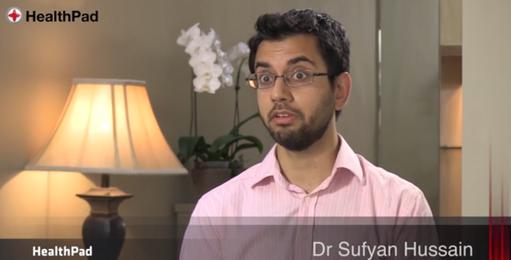
According to Dr. Sufyan Hussain,an endocrinologist and lecturer from Imperial College, London, Clinical Lead on the Wandsworth project,  "Despite accounting for 10% of the NHS budget and 8% of UK's population diabetes healthcare systems still need considerable improvement, particularly in management, strategy and infrastructure. Communicating important health information via video, can help significantly to improve the quality of care and efficiency in an over burdened healthcare system."
 
Patient survey
 
During the six- week project, over 50% of diabetes patients opened the emails sent, and watched the information videos about their condition.
  • 75% of respondents say that they would like to have more reliable information to help them to manage their diabetes
  • 44% regularly search the Internet for healthcare information about diabetes, and 20% are undecided
  • Only 9% say that they can differentiate between good and bogus online healthcare information about diabetes
  • 68% found the video information they received by email helpful
  • 21% regularly visit Diabetes UK website
  • 71% want GPs to provide more healthcare information via email
  • 50% prefer to receive healthcare information about diabetes in video format, and 23% are undecided
  • 71% believe it's important to access healthcare information about diabetes at anytime, from anywhere and on any device.
It's important for me to quickly access premium and reliable healthcare information about my condition at anytime, from anywhere and on any device
NICE relaxing guidelines
These findings, if indicative of patient views, are significant. Recently, the National Institute of Health and Care Excellence (NICE) issued new draft guidelines to make more people eligible for weight-reduction surgery. According to NICE, such surgery would reduce the debilitating complications associated with type 2 diabetes.

Until now, people with type 2 diabetes only could be considered for weight loss surgery at a BMI of 35. The new guidance could mean that more than 850,000 people could be eligible for a stomach-reduction surgery if their doctors think they are suitable.

A costly therapy
Over the past five years, there has been a significant increase in the number of people receiving weight loss surgery. According to the UK's Health and Social Care Information Centre's latest report: in 2012-13, about 8,000 people received stomach-reduction surgery for potentially life threatening obesity when other treatments failed.

A mounting body of evidence suggests such surgery improves symptoms in around 60% of patients, which in turn, may result in a reduction in people taking their type 2 diabetes medications, and even in some cases needing no medication at all.

Stomach-reduction surgery, which costs between £3,000 and £15,000, does not mean that type 2 diabetes has been cured, and there are raised concerns that the NHS will not be able to afford the treatment, even if there are savings in the longer term. Furthermore, an irreversible procedure that does have surgical risks attached to it does not make it an attractive option for everyone. 
 
Takeaways
"We know about the escalation of the diabetes burden. We know that established therapies, diets and lifestyles could effectively reduce the burden of diabetes. And yet the burden shows no signs of slowing. IF patient data from the Wandsworth Medical Centre are indicative of the situation more generally, we should seriously consider the way doctors communicate with patients. Doing 'more of the same' is not the answer. We need to find new innovative solutions to engage, interact and motivate as many people as possible," says Dr. Hussain.


view in full page
 
 
The UK's National Institute for Health and Care Excellence (NICE) recently recommended that primary care doctors should identify people eligible for state-funded slimming classes run by private companies, such as Weight Watchers, an American company that offers various products and services to assist weight loss and maintenance.

UK facts
Obesity costs NHS England £5.1bn a year
25% of adults in England are obese
42% of men & 32% of women are overweight
A BMI of 30-35 cuts life expectancy by up to four years
A BMI of 40 plus cuts life expectancy by up to 10 years

Lose weight and save millions
NICE suggests that health professionals should raise the issue of weight loss in a "respectful and non-judgmental" way, by measuring their body mass index (BMI) to identify people who are eligible for referral for lifestyle weight management services. BMI is a person's weight in kilos divided by their height in meters squared.

About 25% of UK adults are obese with a BMI over 30 and 74% are overweight with a BMI above 25. Just a 3% reduction in weight could extend life expectancy, and reduce the risk of Type2 diabetes, high blood pressure and heart disease.

NICE argues that the cost of funding private weight loss programs for overweight people would be outweighed by the benefits. For example, preventing just a 1% increase in obesity would save the UK government nearly £100 million a year.
 
Lifestyle change rather than yo-yo dieting
In a recent study published in The Lancet Diabetes and Endocrinology, researchers suggest that weight loss at any age in adulthood is worthwhile and even transitory weight loss is beneficial to health.
 
The research examined the impact of lifelong patterns of weight change on cardiovascular risk factors in a group of 1,273 British men and women, followed since their birth in March 1946. It concluded that the longer a person is overweight the greater their propensity of cardiovascular problems in latter life and the greater risk of diabetes.
 
According to the lead author Professor John Deanfield from University College, London, "Our study is unique because it followed individuals for more than 60 years, and allowed us to assess the effect of modest, real-life changes in adiposity. . . .  Losing weight at any age can result in long-term cardiovascular health benefits, and support public health strategies."
 
Professor Mike Kelly, the director of the centre for public health at NICE, said the guidelines were about lifelong change rather than yo-yo dieting, when the weight is piled back on after initial success.

He stressed the importance of achievable goals: "We would like to offer an instant solution and a quick win . . .  but realistically it's important to bear in mind this is difficult. It's not just a question of 'for goodness sake pull yourself together and lose a stone'; it doesn't work like that. People find it difficult to do  . . it takes resolve, it takes encouragement."
 
mHealth proven support for weight management
Scott Lonnee, a bariatric dietitian at St George's Hospital, London echoes Kelly's sentiment, "Sensible lifestyle changes, which include sustained dietary changes and physical exercise can have significant healthcare benefits. Planning is important, and there are simple techniques to help individuals lose weight, which include, setting realistic and achievable targets, keeping diaries of what you eat and what exercise you take."
 
Research commissioned by Weight Watchers, and recently published in the American Journal of Medicine, suggests that losing weight is significantly easier and more effective when individuals have access to online support, compared to weight loss among those who tried to lose weight on their own.
 
Takeaways
Pro-active mHealth strategies can help to change the way health professionals interact with patients. Information, guidance and support regularly sent to the mobiles of overweight individuals to help them lose weight and engage in lifestyle changes would save lives, prevent the onset of disease and save NHS England millions of pounds. Why is it not being done?   
 
view in full page
 
 
What does the nephew of the 41st American President and the cousin of the 43rd have in common with an Indian doctor?

They're both passionate about using new technologies to provide high quality healthcare at affordable cost.

Bush and Shetty
Jonathan Bush, a relative of two former American Presidents, is the co-author of Where Does it Hurt? which calls for a healthcare revolution to give patients more choices, and affordable quality care.

A former Army medic and ambulance driver, Bush is the cofounder and CEO of athenahealth, one of the fastest growing American cloud-based service companies, which handles electronic medical records, billing, and patient communications for more than 50,000 US health providers.

Dr Devi Shetty is a brilliant heart surgeon, and veteran of more than 30,000 operations. However, his growing international reputation rests less on his medical skill, and more on his business brain. He wants to do for healthcare what Henry Ford did for the motorcar: "make quality healthcare affordable."

Shetty is the founder and chairman of Narayana Health, and by thinking differently to traditional healthcare providers, he's built, India's largest private hospital group comprised of 23 hospitals in 14 Indian cities.
 
Shetty practices what Bush preaches
Bush suggests that the only way America will provide convenient quality healthcare at affordable cost, is if doctors do what they're trained to do, others perform routine services for less: for example, nurse-intensivists relieve surgeons from ICUs, and most importantly, if healthcare entrepreneurs are encouraged to tap into the transformative power of the marketplace.

For the past 15 years Shetty has been practicing what Bush is now preaching.  Narayana Health provides high quality healthcare, with compassion at affordable cost on a large scale. For instance in 2013, its 1,000-bed specialist heart hospital in Bangalore alone, performed a staggering 6,000 operations, half of them on children. By contrast, in the same year, Great Ormond Street Hospital in London performed less than 600.

In addition to hospitals, Shetty has developed a telemedicine practice, which reaches 100 facilities throughout India and more than 50 in Africa. Narayana Health is also India’s largest kidney-care provider. Shetty has started a micro-insurance program backed by the government that enables three million farmers to have health coverage for as little as US$2 in annual premiums. Over the next five years, Shetty plans to grow Narayana Health four times its present size and become a 30,000-bed hospital chain.
 
Healthcare change will come from developing nations
Bush says, the only way to build a flourishing health marketplace that everyone wants and can afford is for Americans to demand more from their health providers, and accept greater responsibility for their own health.

This will not happen, and Shetty explains why.
 
Shetty argues that the greatest advances in healthcare will not come from wealthy nations like the US and UK, but from developing nations. Rapidly changing technologies provide opportunities for developing nations to leapfrog wealthy nations, which are encumbered by entrenched and aging technologies.
 
Hospitals in developing countries with few advanced procedures can quickly leapfrog world-class hospitals such as those in the US and the UK, says Shetty. Instead of slowly replacing aging technologies, they can quickly implement innovative operational designs, and state-of-the-art technologies, which gives them a competitive advantage.  
 
Narayana Health City Cayman
This is what Shetty has done in the Cayman Islands. Backed by Ascension, the largest private health network in the US, and the Cayman government, which has designated a 200-acre site for the development of Narayana Health City Cayman.
 
 The first phase, which opened in February 2014, is a 104-bed tertiary hospital, which provides surgeries for less than half the average US price, with quality outcomes that match or exceed the very best US hospitals.  Narayana Health City Cayman is expected to develop into a 2000-5000-bed conglomeration of JCI accredited multiple super speciality hospitals in a single campus providing affordable healthcare to thousands.
 
Takeaway
Americans will have access to high quality healthcare at affordable cost, but it won’t happen in the way that Bush anticipates. Grand Cayman is only a 30minute flight from Miami.
view in full page
 
It's a travesty!

Health professionals don't effectively use mHealth strategies to proactively engage and support people living with diabetes. This failure destroys the lives of millions and unnecessarily increases healthcare costs by billions. This is a travesty.

Health information online
In the UK and US the majority of people living with diabetes and pre-diabetes have smartphones, which they use on a daily basis to send and receive information, purchase goods, bank, educate and socialize. Notwithstanding, 80% of health professionals still provide information for the management of diabetes in paper pamphlets, and the majority of diabetes care information on websites is digitalised paper pamphlets. Such communications strategies, cost millions, and fail to slow the progression of the condition.

Epidemic
Here's evidence, which suggests that current healthcare communications strategies are failing. Recent UK data released by the NHS show that people diagnosed with diabetes has increased significantly over the past decade. Today, 6% of UK adults are registered as diabetic, and an estimated 0.85 million people have diabetes without knowing it. In 2013 there were 163,000 new diagnoses: the biggest annual increase since 2008.

A 2014 study reported in the British Medical Journal revealed that the prevalence of pre-diabetes in England has tripled in eight years, from 11.6% in 2003 to 35.3% in 2011, which puts immense pressure on NHS finances. It's projected that by 2025, five million people will have diabetes in the UK.

The situation in the US is similar. Results of a 2014 study published in the Journal of the American Medical Association, show that there was a significant increase in diabetes between 2001 and 2009, and warns of a growing epidemic that could strain the American health-care system.
 
Diabetes UK report
Governments and charities are good at describing the burden of diabetes, but poor at introducing and promoting effective mHealth strategies to reduce the burden. In a 2014 Diabetes UK report, Barbara Young, the charity's CEO says, "The NHS is spending an eye watering amount on diabetes (£10 billion annually), but the money isn't being used effectively." Those who are diagnosed late or don't receive timely care can suffer complications such as kidney and nerve damage, which costs the NHS billions.

The Report emphasises the importance of better education on how to manage diabetes, and stresses that a staggering 80% of the £10 billion the NHS spends on diabetes goes on treating complications, which may have been prevented if patients had received more effective information about the condition.

If nothing changes, the Report suggests, by 2035 diabetes will cost the NHS £17billion a year, and thousands of diabetics will suffer unnecessary complications.

Online managed care systems
Where's the leadership to help change the situation?  There's evidence to suggest that when mHealth strategies are used in the management of diabetes, they slow the progression of the condition, propel self-management, and significantly reduce the costs of care.

For example, Professor Shahid Ali, a UK practicing GP and Head of Digital Health, University of Salford, has developed and implemented a mHealth system, which enhances the quality of diabetes care, while substantially reducing costs and increasing the efficiency of health professionals. 
 
In the US, Welldoc a successful technology company, founded in 2005 by an endocrinologist, provides  a mHealth solution for people living with diabetes, which coordinates diabetes care, propels self-management and achieves long-term adherence.
 
Professor Gordon Moore from Harvard University Medical School has developed a managed care system that embeds the clinical, behavioural and motivational aspects of diabetes care into any handheld device. It's like, Moore says, "having your doctor in your pocket".
 
Notwithstanding, governments and agencies responsible for enhancing the quality of care for people living with diabetes are failing to bring such tried-and-tested mHealth solutions to their attention.
 
Takeaways
According to Diabetes UK's, we, "know what needs to happen":
  • "More focus on ensuring that people know about diabetes
  • Provision and promotion of effective self-management
  • Integrated care planned around the needs of the individual
  • Effective promotion of lifestyle change."
But, how many more people living with diabetes have to endue unnecessary progression of their condition, and devastating complications, which cost health systems billions, before health professionals abandon their costly and ineffective communications systems and embrace cheaper and more effective mHealth strategies?  
view in full page
 
Since the early 1970s, there's been significant progress in the survival rates of some cancers, in particular testicular, skin, breast, and prostate cancers where the 10-year survival rates in the UK have increased, on average from 46% to 86%.

However, the UK still lags comparable European countries in cancer survival, and for some cancers, particularly lung, esophagus, pancreas and brain, the 10-year survival rates are only about 10% or less.

Late diagnosis
In Britain 50% of cancer patients are diagnosed late. This is the result of GPs misdiagnosing, and patient's reluctance to visit their doctors.

In his book, Malignant, Stanford University professor S Lochlann Jain suggests cancer diagnosis is missed in young adults because, "doctors often work under the misguided assumption that cancer is a disease of older people." For example, 80% of lung cancers are diagnosed at advanced stages.

Cancer survival rates are expected to improve as technology, and self-education develop. This is expected to reduce the role of primary care doctors, increase patient-centered healthcare, and reduce late diagnosis.
 
British stiff-upper-lip
In emerging countries, cancer patients present late because of a lack of education and money. In the UK, where medicine is free at the point of care, the British stiff-upper-lip is often the cause of late diagnosis.
 
A 2013 comparative study published in the British Journal of Cancer found that there was little difference in the awareness of cancer symptoms among patients, yet the British were less likely to act on them. It concluded that the traditional British 'stiff-upper-lip' means cancer patients are dying unnecessarily because they don't want to waste their GP's time with their symptoms or are too embarrassed to seek help.


Genomic medicine
A number of studies suggest that doctor-patient relationships are sub-optimal and based on asymmetry of information.
 
Such relationships will change when patients have access to information on their own DNA. Genomic medicine is a game-changer because of its potential to personalize patient care.
 
It only takes a few hours to sequence a person's genome, and costs are low and falling. A recent survey suggests that 81% of all US patients would like to have their genome sequenced. Eventually, this will mean that most people will have their genome sequenced so they can be properly cared for if they get sick.

Already some scientists and clinicians have started taking advantage of genomic sequencing, to tailor their approaches to individual differences.  In this personalized, patient-centred healthcare environment, primary care doctors are less important, and patients more important.  As this transformation occurs, early cancer diagnosis and survival rates are expected to rise.    
Technology driven patient-centered health
Increasingly, patients are employing the expanding array of mHealth apps to diagnose and treat their own ailments and this will increase as the technology develops and prices fall.

For example, patients have started using mHealth apps to measure activity, and changes in their vital signs and bodily functions. Current devices clipped to a finger can measure heart rates, and blood oxygen levels and these data can be transmitted to smartphones. Increasingly consumers will use these tools rather than visit primary care clinics.

Takeaways
Technological developments, self-education, and consumers' increased access to their health records, will help to correct the imbalance in information that now exists between doctors and patients.

As this happens, cancers will be diagnosed earlier, primary care centres will disappear, hospitals will exist only for intensive care, and sick patients with long-term chronic illnesses will be monitored and managed remotely from home.
view in full page


"The next ˜big thing" in healthcare . . . . is IT, which will dramatically change the way health professionals interact with patients. Every step of a patient's care will be determined by protocols on a hand-held device. This will make healthcare safer and shift many hospital activities into the home," says Dr Devi Shetty, world-renowned heart surgeon, founder and chairman of Narayana Health, India's largest multi-purpose hospital group and the person said to have, "the biggest impact on healthcare on the 21st century".

Shetty also warns that, "Despite the advantages of such technologies, the medical community is reluctant to accept them."

Although doctors and patients have iPads and smartphones and use social networks, the healthcare community, "fights like mad to resist change", and fails to embrace life-saving technologies, which would improve patient care and reduce costs. ld improve patient care and reduce costs.
 
Open systems
In 2012 UK Health Secretary Jeremy Hunt issued a Mandate that by 2015, modern communications technology would play a substantially bigger role in the UK's healthcare system. The NHS remains a near bankrupt, inward looking public monopoly driven by proprietary systems rather than customer needs.


Saving lives didn't invoke change
Healthcare professionals invariably refer to privacy and security issues to protect the status quo, but these are equally applicable to other sectors, such financial services, which have embraced change and open standards.
 
An explanation why healthcare systems resist change is in a 1970 BBC Reith Lecture by Donald Schon, formerly Professor of Philosophy, University of California.
 
Schon borrowed a story from Elting Morison's 1968 book, Men, Machines and Modern Times, to describe entrenched social systems' resistance to change. 
 
During wartime, a young Naval officer named Sims invented a device that improved the accuracy of guns on ships by 300%, but the US Navy rejected it.
 
The device, "continuous-aim firing" used a simplified gearing mechanism that took advantage of the inertial movement of a ship. What previously a whole troupe of well-trained men had done, now one person, keeping his eye on the sight and his hands on the gears - could do.
 
To survive and grow, every major industry in today's network-centric world, except healthcare, has abandoned proprietary systems, embraced open standards and actively licensed technologies.  


Rejected on scientific grounds
Despite it's obvious advantages especially in a time of war, Sims found it extremely difficult to get his device adopted by the US Department of Navy. When finally the Navy did agree to test his system, they did so by taking it off the moving ship and strapping it onto a solid block on land. Since the device depended on the inertial movement of the ship, it didn't work and the Navy rejected the device on "scientific" grounds.
 
Eventually, Sims attracted the attention of Theodore Roosevelt, who saw the advantages of the device and immediately insisted that it be adopted in the Atlantic and Pacific war theatres where it achieved a 300% increase in accuracy.
 
The American Navy's rejection to Sims's lifesaving technology is similar to Healthcare systems' reluctance to embrace technologies, which improve patient care and lower costs.
view in full page