Tag

Tagged: commentary

Sponsored
 
  • Immunotherapy drugs heralded as game changing cancer treatment

  • MD Anderson Professor Allison stripped cancer’s ability to evade attack

  • Nivolumab focuses on the environment around a cancer

  • Immunotherapy drugs are too expensive as sustainable treatments

  • The future is personalized medicine says cancer expert Karol Sikora

A new drug class that neither directly treats nor kills cancer is heralded as a game changer in cancer treatment. 
 

New hope for late stage cancer patients

In March 2015, the American Food and Drug Administration (FDA) awarded an expanded approval for Opdivo (nivolumab), to treat non-small-cell lung cancer, which is the most common type of lung cancer, and means lung cancer patients who have failed other therapies and have no other treatment options, have another shot at containing their tumors. In June 2015, the European Commission approved the same Bristol-Myers Squibb drug in a fast track assessment for previously treated advanced melanoma patients.

Accelerated assessment was given in Europe because Opdivo (nivolumab) qualified as a “Medicinal product of major interest from the point of view of public health, and in particular from the viewpoint of therapeutic innovation.” 

FDA and EU approvals of the drug Opdivo, opens the door for other, next-generation immunotherapies to treat advanced cancers. These are heralded as a new class of game changing drugs. But are they? 
 

The genesis

Because cancer is a result of your body’s own cells growing abnormally, your immune system is held back from recognising cancer as foreign and potentially harmful. This is important because without such checks your immune system would kill you.  

Professor James Allison, director of MD Anderson’s immunotherapy platform, which cultivates, supports and tests new developments of immunology-based drugs and combinations, is credited with ground-breaking research that stripped away cancer’s ability to evade attack by the immune system. Allison’s discoveries led to nivolumab to improve the survival rate of patients with metastatic melanoma, and his insights into the basic biology of immune system T cells is broadly applicable to a variety of cancers. 
 

How it works

These new drugs release the body’s own weapons: killer white blood cells called T cells, and have been likened to taking the brakes off the immune system so that it is able to recognise tumors it wasn't previously recognising, and react to destroy them.

Unlike traditional cancer therapies such as surgery, chemotherapy, radiation or the anti-cancer drugs, immunotherapy does not target the tumor itself. Instead, it focuses on the environment around the cancer, and releases a check on the immune system’s appetite for anything that it does not recognize, so the body’s own defences can recognize tumor cells as targets. Allison says, “This drug doesn’t treat cancer; it doesn’t kill cancer cells so you can’t inject it and expect cancer to melt away immediately because it won’t.” 

However, when nivolumab is combined with tumor-targeted treatments, it lowers the risk of recurrent cancers. It does this by training the body’s T cells to recognize specific features of tumors, just as they do for viruses and bacteria. Thus, the immune system itself is programmed to destroy any returning or remaining cancer.
 

Too costly

Although immunotherapies are generating excitement among cancer clinicians and researchers, clinical studies on melanoma patients show relatively modest prolongations of life, compared with historical norms, at significant costs. For example, the cost of Opdivo (nivolumab) for one patient is about £100,000 per year.

Speaking at the 2015 American Society of Clinical Oncology (ASCO) conference in Chicago, Dr Leonard Saltz from Memorial Sloan Kettering Cancer Center, New York City, suggested that new immunotherapies would cost more than US$1 million per patient per year at the higher dose currently being studied in many different cancer types, and warned, "This is unsustainable.... We must acknowledge that there must be some upper limit to how much we can, as a society, afford to pay to treat each patient with cancer . . As someone who worries about making cancer care available to everyone and minimizing disparities, I have a major problem with this: these drugs cost too much."
      

Takeaway

According to cancer expert Professor Karol Sikora the future of cancer treatment is personalized medicine rather than new immunotherapy products. Personalized cancer care takes into account the individual’s disease, and their personal circumstances. According to Sikora, “The extent to which treatment can be tailored to an individual has been limited by crude descriptions of their disease, and generic treatment options. Advances in genomics and drug responsiveness are leading to more detailed descriptions of a patient’s cancer and better-targeted treatments, which offer significant advantages over blunderbuss chemotherapies. Personalised medicine is the real future for all our patients. Forget the drug hype; this is where the real hope lies”

Here Mike Birrer, Professor of Medicine at the Harvard University Medical School, and Director of the Cancer Center at Massachusetts General Hospital describes personalised medicine:  


view in full page
 

DUK and HealthPad agree on the importance of diabetes education

  • Diabetes in the UK is spiralling out of control
  • People with diabetes are not receiving the care they need
  • Education for people living with diabetes must improve
  • CCGs need to increase the effectiveness of diabetes education
  • Policy makers must be more open-minded about digital health
  • Policy makers should prepare the UK for the digital future


DUK and HealthPad

Diabetes UK (DUK) and HealthPad are on the same page in recommending more effective education to reduce the escalating burden of diabetes. DUK insists that, “Clinical commissioning groups (CCGs) need to increase the availability and uptake of a range of diabetes education and learning opportunities”.


Managing My Diabetes

HealthPad has developed a cost effective digital diabetes education service specifically for CCGs to: (i) increase the connectivity between local health professionals and people with diabetes, (ii) enhance patients’ knowledge of the condition, (iii) propel people with the condition towards self management, (iv) slow the onset of complications and (v) reduce face-time with doctors, see: Reducing the burden of diabetes by online video.
 

The state of the nation 

DUK’s 2015 State of the Nation Report laments that the incidence rates of diabetes continues to spiral out of control, and people with diabetes is now at an all time high of 3.9 million, with a further 600,000 estimated to have undiagnosed type-2 diabetes. Further, 2015 National Statistical Office figures, show that 67.1% of adult males and 57.2% of adult females in the UK are either overweight or obese, and therefore at risk of type-2 diabetes. 

There is no way of preventing type-1 diabetes, which occurs as a result of the body being unable to produce insulin, and usually develops in childhood, affecting 10% of sufferers. However, type-2 diabetes is the result of bad diets and sedentary lifestyles, and is preventable with effective education. Left unchecked, diabetes can result in devastating health complications such as kidney and heart disease, blindness and amputations. Also, diabetes costs the NHS nearly £10bn each year, 80% of which is spent on managing avoidable complications.
 

Gaping hole” in effective education

DUK director of policy Bridget Turner said, "There is a gaping hole when it comes to diabetes education . . . . This is despite strong evidence that giving people the knowledge and skills to manage their diabetes effectively can reduce their long-term risk of complications . . . . We must get better at offering education to people who are living with diabetes." Dr Sufyan Hussain, a lecturer and clinical registrar in diabetes, endocrinology and metabolism at Imperial College and Hammersmith Hospital, London, has used HealthPad, a digital platform, to develop a portfolio of educational videos for people with diabetes. Here is one about insulin: 

      
                (click on the image to play the video)
 

Calling on the NHS

DUK said that it is “calling on” the NHS to do more. One difference between NHS England and HealthPad is the emphasis they respectively place on digital platforms for delivering diabetes education. Currently, digital platforms are not widely used by the NHS. One possible reason for this is because the NHS is a sanctuary for technophobes. Patients however are not technophobes. General attitudes towards digital healthcare are rapidly changing. The over 65s are becoming increasingly tech-savvy, and quickly adopting digital channels as a source for healthcare information. Research from the Office of National Statistics shows that, between 2006 and 2013, Internet use of the over 65s more than tripled, and their demand for digital health services grew significantly.

Not all health providers are technophobes, and some acknowledge that the NHS has failed to make the most of digital technologies. Changes that these enlightened health providers suggest are contentious; because of the lack of competitiveness the NHS reflects its fragmented single entity, and NHS policy makers stress harmonization rather than competition. This results in the quality of healthcare in the UK becoming a postal code lottery. The NHS cannot expect to improve while there is still a lack of competition and such fragmentation.
               

Network effects

A significant challenge for the NHS is how to deal with digital healthcare platforms: the search engines and websites that constitute the metaphysical health providers in the digital age. What drives new healthcare platforms are economies of scale in gathering and distributing healthcare data and information, which patients want in order to manage their conditions better. The network effects of digital platforms result in more patients finding digital healthcare services ever more compelling. Platforms engage patients, and encourage them to return for updates and more information about their condition. 


Takeaways

It is time that the NHS started to assess the role that platforms can play in the delivery of healthcare. However, the NHS does not know enough to opine with confidence on digital health and the knowledge economy. This does not only result in NHS policy makers being unable to pick technological winners; it also means that technological losers are picking the NHS.

Healthcare and the educational needs of patients must to be conducted in a more open-minded spirit, not simply reflect the status quo, and fall prey to vested interests. The task of healthcare policy makers should be to prepare the UK for the digital future, not to try to stop it happening. 

 
view in full page
 

‘Deep sleep’ and palliative care

  • The UK has inadequate care for the terminally ill
  • France legalizes “deep sleep” for the terminally ill
  • Palliative care has traditionally been for people with cancer
  • Many people are denied choices at the end of life
  • The process of ageing, and dying has become medical experiences


Thousands of palliative care patients in England often fail to receive sufficient pain relief and respite from other distressing symptoms. These are the findings of a 2015 London School of Economics Report, which raises concerns since the need for palliative care is large, and rapidly increasing as the population ages, with people over 85 projected to double in the next 20 years.

The Report exposes significant gaps in services, poor communication and unclear roles and responsibilities. “Part of the problem is that palliative care has traditionally been for people with cancer, and there is currently a lack of suitable models of palliative care for people with non-cancer and increasingly complex conditions,” says lead author Josie Dixon.
 

Non-cancer patients miss out

Those who currently miss out include: people over 85, those living alone, people living in deprived areas, and black, Asian and ethnic minority groups.

Only just over 20% of UK hospitals offer 7-day a week specialist palliative care, and the quality of hospital care is rated lower than a care home or a hospice. Despite over 70% of deaths being due to causes other than cancer – including respiratory illness, circulatory conditions and dementia – people with non-cancer diagnoses still account for only 20% of all new referrals to specialist palliative care services.

More than 56% of people now die in a care home within a year of being admitted, up from 28% in 1997. "These statistics show that care homes have a growing role in caring for people who are dying, but they need more support from GPs and specialists than currently exists," Dixon says.
 

The US experience

Whitfield Growdon, who teaches at the Harvard University Medical School and practices as an oncology surgeon at the Massachusetts General Hospital, Boston, suggests that the family is the primary provider of end-of-life care, and a major contributor to palliative care programs: 


                          (click on the image to play the video)


France’s ‘deep sleep’

In March 2015 France passed legislation giving doctors new powers to place terminally ill patients in a “deep sleep” until they die, sparking controversy over whether euthanasia should be fully legalized. Polls show that 96% of French people support the “deep sleep” law, which will apply to patients who are conscious, but in “unbearable” pain, and whose treatment is not working or who decide to stop taking medication.
 

A President’s legacy

France legalised “passive euthanasia” in 2005, where treatment, needed to maintain life is withheld or withdrawn, but the government has refused to go further and allow full euthanasia, or assisted suicide, despite the huge public support. The new measures, passed by a comfortable majority in the National Assembly, will allow doctors to combine passive euthanasia with “deep and continuous sedation”.

The measure was a campaign promise by President Hollande who gave a commitment to allow the terminally ill afflicted by “unbearable” pain “to benefit from medical assistance to end their lives with dignity”. Anti-euthanasia groups criticised the legislation as “masked euthanasia”, but pro-euthanasia campaigners argue that it doesn’t go far enough, and would lead to terminally ill patients “dying of hunger or thirst”.
 

Takeaways

Ignorance, fear or anxiety about illness, death and dying can all have a negative impact upon our relationships with dying people. How can we better deal with the frailty of age, the onset of illness, and approaching death? In the 2014 BBC Reith Lectures, and in his latest book, Being Mortal: Medicine and What Matters in the End, Atul Gawande complains that we deny people choices of coping and autonomy at the end-of-life. People live longer and better than at any other time in history. But scientific advances have turned the process of ageing, and dying into medical experiences; matters managed by health care professionals,” says Gawande.

 
view in full page


The convenient quality healthcare revolution

  • Demand for primary care services outstrips supply
  • People want affordable convenient, quality healthcare
  • The retailization of healthcare is large and growing fast
  • US Minute Clinics in CVS retail outlets expect 6 million visits in 2015
  • Traditional health providers can’t stop the convenience healthcare revolution, but they can encourage it 

“It” is larger, and growing faster than most people think. “It” is driven by the combined burdens of heightened patient expectations, disproportionate growing and ageing populations, and finite resources. “It” will significantly impact healthcare systems throughout the world. “It” . . . . is the ‘retailization of healthcare’, which uses pharmacists, and nurse practitioners to provide a range of healthcare services in diverse retail locations.
 

A convenience revolution

In 2010, Rite Aid, the US retail pharmacist, partnered with American Well, a company providing online access to doctors 24-7; 365 days a year, to test a service, which allows consumers to interact directly with Rite Aid pharmacies for medication advice, and results in an electronic record, which is shared with primary care doctors.

Larry Merlo, the CEO of CVS, the second largest drugstore chain in the US, which has 100 million customers each year, is leading the charge to create more healthcare services in CVS stores. Already, CVS has 960 walk-in Minute Clinics staffed by pharmacists and nurse practitioners. The clinics are open on nights and weekends with no appointments. Prices are between 40% to 60% lower than traditional US doctors, and a fraction of the cost of A&E. This year, Minute Clinics expect some six million visits, and CVS plans to open a further 500 such clinics by 2017. In 2014, at CVS stores, more than 700 million prescriptions and five million flu injections were administered. 

Walgreens, the largest drug chain in the US with 8,217 stores in 50 states, has also set-up healthcare clinics, and similar initiatives, are afoot in the UK. These, together with other retail initiatives, constitute a convenience revolution in healthcare. 

“US and UK healthcare systems will go bankrupt if they don’t change their current healthcare delivery models,” says Devi Shetty, world renowned heart surgeon, founder and chairman of Narayana Health, India, which provides affordable quality healthcare. 


       Watch video

 (click on the image to play the video)


Adherence to medication

People like the fact that pharmacists are accessible friendly health professionals, and over time grow trusting, personal and valued healthcare relationships with them, which enhance adherence to medications. Non adherence is costly, and can lead to increased visits to A&E, unnecessary complications, and sometimes death. According to a New England Healthcare Institute report, Thinking Beyond the Pillbox, failure to take medication correctly, costs the US healthcare system $300 billion, and results in 125,000 deaths every year. 

Rajiv Dhir a senior prescribing pharmacist working for NHS England describes the importance of patients being able to discuss their drug regimens with pharmacists:


   View video

   (click on the image to play the video)     
                           

Primary care environment 

In the UK and elsewhere the demand for rapid and convenient primary care, outstrips it's supply. For instance, the UK is experiencing an exodus of GPs. In just five years, 40% have left to work abroad, and around 22,400 GPs – more than half of England’s 40,200 family doctors – want to retire before the usual age of 60. Younger doctors are not filling the gaps, with up to one in eight GP training posts unfilled. They are instead either choosing careers as hospital specialists or going to work abroad. Today, some 1,063 GPs are needed in England just to return to the patient-doctor ratio of 2009.
 

Coordination between primary and secondary healthcare

Walk-in retail clinics can provide a valuable link between primary and secondary care. CVS has partnered with over 50 secondary health providers including the Cleveland Clinic, which offer their Minute Clinics follow-up services, and answer questions a nurse practitioner might have over the telephone. Such relationships are well positioned to be enhanced by increased electronic sharing of patient data.
 

Takeaway

Traditional health providers can’t stop the convenience healthcare revolution, but they can encourage it.

 
view in full page
 

Preventing cardiovascular disease

  • 90% of the 17m heart related deaths each year are preventable

  • Not preventing heart disease will cost US$47 trillion over the next 20 years

  • Contrasting Indian and English preventative strategies are described

  • Devi Shetty, world renowned heart surgeon describes heart disease

  • Technology shifts the management of heart disease to communities and homes


Each year cardiovascular disease (CVD) accounts for more than 17 million deaths worldwide. Despite the fact that 90% are preventable, deaths from CVD are projected to grow to some 24 million by 2030. In addition to the human costs, the economic costs for not preventing CVD are estimated to be US$47 trillion over the next 20 years.

CVD is often asymptomatic, caused by atherosclerosis, and represents a family of conditions linked by common risk factors, and includes coronary heart disease, stroke, hypertension, hypercholesterolemia, diabetes, chronic kidney disease, peripheral arterial disease and vascular dementia. Many people who have one CVD condition commonly suffer from other related conditions. Devi Shetty, world-renowned heart surgeon, founder and chairman of Narayana Health, India, describes heart disease:


Two prevention strategies

As CVD prevention strategies evolve, we describe two; both developed by cardiologists:
 

Billion Hearts Beating

Billion Hearts Beating is an open, and easy-to-use website launched in 2010 by Dr Prathap Reddy, and Indian entrepreneur and cardiologist who founded the Apollo Group; the first corporate chain of hospitals in India: http://billionheartsbeating.com/. Reddy is mindful that there are some 65 million people in India with CVD, but each year only about 100,000 of these receive specialist treatment. Unsurprisingly, 2.4 million people die each year in India from CVD. The Billion Hearts Beating website identifies five simple solutions for lowering the risk of CVD: (i) a healthy diet, (ii) cessation of smoking, (iii) increased physical activity, (iv) reduced stress, and (v) regular heart checks. The website invites visitors to regularly check their heart disease risk with its easy-to-use embedded risk calculators, and sign a pledge to follow recommended solutions to reduce their overall CVD risk.
 

JBS3 Risk Calculator

The Joint British Societies Risk Calculator, the JBS3, was launched in 2014 after a long iteration between experts from 11 British cardiovascular societies chaired by Professor John Deanfield, the British Heart Foundation Vandervell Professor of Cardiology at the University of London. The Calculator embodies the UK’s national guidelines for CVD prevention. Although available as an app, it’s recommended for doctors rather than patients because it requires data that are not readily available. The JBS3 is managed by the British Cardiovascular Society, supported by the British Heart Foundation, and allows doctors to assess and communicate a person’s true heart age, and lifetime risks of CVD. These communications are expected to motivate individuals to adopt healthier diets and lifestyles, which would lower their risk of CVD: http://www.jbs3risk.com/

According to Shetty such risk calculators are symptomatic of rapidly growing technologies that are shifting the management of CVD away from hospitals, and into communities and peoples’ homes:


Cycle of care

The cycle of care for CVD includes, (i) prevention and control of risk factors, which need sustained and effective communications, (ii) surgical and medical interventions, which require screening and early interventions, and (iii) the maintenance of a healthy state, which requires effective communications for disease management, and the modification of diets and lifestyles. The communications of all three care-strategies are underserved because overwhelmingly doctors operate “hands-on” care to diagnose and treat symptoms, and are reluctant to embrace modern technologies to improve doctor-patient communications. Shetty explains:


Takeaways

Preventing CVD involves changing peoples’ behavior, which requires effective communications between health providers and the general public. Developing risk calculators is no guarantee of preventing CVD, but it’s a significant contribution to preventative strategies. It’s too early to assess the effectiveness of the JBS3 Risk Calculator, but it appears to have underestimated the challenge associated with getting overstretched and demoralised UK primary healthcare professionals to adopt it. The Billion Hearts Beating campaign fares better, not least because it engages individuals directly. To-date, over 355,000 visitors to the website have used its embedded risk calculators, and pledged to improve their diets and lifestyles in order to reduce their risk of CVD.  

 
view in full page


Preventing diabetes in high-risk people
  • NHS England is to spearhead a national diabetes prevention program
  • The program aims to prevent diabetes in high risk people by 2025
  • 35% of adults in the UK are living with pre-diabetes
  • The program MUST report outcomes NOT delivered services
  • Type-2 diabetes devastates millions of lives and costs billions
  • Big Data strategies can help NHS England improve patient outcomes

Early in 2015, NHS England, Public Health England, and Diabetes UK (the Troika), announced a national joint initiative to prevent diabetes developing in high-risk people by 2025, and declared that England should be, “The most successful country on the planet at implementing a national diabetes prevention programme.” 

Forced to act
About 35% of adults in the UK are living with pre-diabetes, a condition in which your blood sugar level is higher than normal, but not high enough to be classified as type-2 diabetes. It’s caused by obesity, sedentary lifestyles, dietary trends, and an ageing population, and without appropriate action, pre-diabetics will develop type-2 diabetes; a disease that reduces life-expectancy, and can lead to complications such as blindness, and amputation that seriously affect quality of life, and costs billions.       

Dr Roni Saha, a consultant in acute medicine, diabetes and endocrinology at St George’s Hospital, London describes pre-diabetes: 


Importance of patient outcomes.
It’s important that the Troika uses patient outcomes, and NOT delivered services as an indicator of its performance. Diabetes agencies regularly report services they deliver, while the prevalence and the cost of diabetes continue to escalate. Outcome data help people take an active role in their healthcare, and provide health providers important feedback, which informs the re-allocation of scarce resources to further enhance patient outcomes, and reduce costs.  

Immediately, the Troika announced its initiative, doctors raised concerns about the additional burden it would place on GPs. World renowned heart surgeon Devi Shetty, the founder and Chairman of Narayana Health, India, views doctors as significant obstacles to the introduction of technologies, which can improve significantly patient outcomes:


Big data
The Troika might consider using Big Data to enhance the performance of its diabetes initiative. Big Data can pool the experiences of people with pre-diabetes, suggest which regimens work best for which individuals, allow health providers to evaluate diet and lifestyles practices, and compare them within and across organizations and communities. Information about blood sugar levels, and hypertensive blood pressure can be transmitted directly into electronic health records of people with pre-diabetes. Data systems can notify health providers of problematic trends with individuals, which gives them an opportunity to intervene early, perhaps with just a telephone call, rather than waiting for an emergent and costly episode.

NHS England is selectively using the John Hopkins’ Adjusted Clinical Groups (ACGs) system, which should be a contender to support the Troika’s diabetes prevention initiative. ACG is a clinically inspired risk stratification and predictive modeling tool, which draws on demographic, diagnostic, pharmacy, and utilization data from primary and secondary care, to assess the health status of a population in order to plan services, budget and manage resources, and assess patient outcomes. 

Beyond the clinic
Big Data can also monitor people living with pre-diabetes outside the clinic. By linking patients’ shopping histories, social media, and location information through third-party data vendors, health providers can gain a window into peoples’ daily health behavior, thought to determine up to 50% of peoples’ overall health status. This is important for preventing diabetes developing in high-risk groups.

Instead of thinking from the patient level up, there are now enough good data to examine whole populations, and extrapolate what will happen to an individual at risk of developing type-2 diabetes. Big Data can create a convenient, real-time healthcare experience for people living with pre-diabetes. Insights gleaned from the data can improve the quality and accessibility of peoples’ care, and help foster a spirit of cooperation between patients, communities and health providers.

Security 
No data is more personal than health data, and patients expect extra privacy protection if they are to participate in Big Data projects. One simple approach is to anonymize the data. Even for internal reporting and research, providers would not be able to gain access to identity information, and this is reassuring to patients..

Takeaway
Will England become, “The most successful country on the planet at implementing a national diabetes prevention program”? Will the Troika successfully prevent pre-diabetics from developing type-2 diabetes? If the Troika’s program fails to improve patient outcomes, who will be held responsible? 
 
 
view in full page
 
Expanding the role of community pharmacists

As efforts to integrate community healthcare falter, access to primary care becomes more difficult, and A&E departments become over-burdened with minor aliments, increasing attention is being paid to innovative ways to mine the vast, and easily accessible clinical expertise of pharmacists in order to increase the quality of healthcare and reduce costs.
 
An untapped reservoir of clinical excellence
Various reports describe how patients are increasingly tapping into the professional expertise of community retail pharmacists. However, the vast reservoir of pharmacists’ clinical knowhow and expertise is not optimally utilized in the provision of healthcare, and is not fully appreciated by the general public and healthcare providers. 
 
An underutilized clinical knowledge bank
Pharmacy is the third largest health profession in the UK, with universally available and accessible community services. In England about 6,000 pharmacists work in hospitals, some 3,000 are employed in the pharmaceutical industry, and about 32,000 work in 13,000 community retail pharmacies. All are highly trained graduates, who have undergone competency training, and a registration examination, which enables them to practice. 
Access
In contrast to GPs, pharmacists have a significant high street presence, and long opening hours. They are also open at weekends, and no appointment is required for their services. According to a 2014 Royal Pharmaceutical Society report, 99% of the UK population can reach a pharmacy within 20 minutes by car, and 96% by walking or using public transport. Community retail pharmacists help people stay well, and use their medicines effectively. Each year, the NHS spends some £12bn on medicines; £100m of which is wasted on their ineffective use.
 
A 2014 Care Quality Commission review of 8,000 GP surgeries in England, uncovered overly long wait-times for appointments, and poor care of the elderly. Forty per cent of GPs questioned in England by the magazine PULSE, said that they expected two-week wait-times for non-urgent appointments in 2015.
 
Expanded role of pharmacists
Pharmacies are extending their services to patients’ homes, residential care, hospices, and primary care offices. This provides a significant opportunity for healthcare systems.
  
Pharmacists can play an expanded role in out-of-hours primary and urgent healthcare, and are well positioned to raise disease awareness, deliver educational information at multiple points of contact, and offer sexual health services. In 2013, more than 16,000 free Chlamydia tests were carried out in pharmacies. In 2010 NICE recommended that pharmacists should offer a full range of contraceptive services to tackle the exceptionally high under 18 conception rate in England.  
 
However, the core business for 21st century healthcare systems is to meet the large and growing needs of people with life-long chronic conditions, such as diabetes, cancer, heart disease, and respiratory conditions. Community retail pharmacists are well positioned to monitor and manage such conditions to alleviate their symptoms, and reduce the need for invasive, costly and disruptive interventions. This role would be significantly enhanced if pharmacists had access to patient records. 
 
Takeaways
There is an urgent need for community retail pharmacists to expand their range of clinical services. Working with other health professionals, pharmacists have an expanding role in optimizing the use of medicines, providing a national minor ailment service, and playing a larger role in the on-going management of patients with long-term chronic conditions.  
 
 
view in full page


Diabetes threatens the future stability of the UAE

  • A new NHS diabetes pathway of care could help the UAE

  • UAE has the world’s second highest incidence rate of diabetes

  • 75% of people with diabetes in the UAE do not have it under control

  • Diabetes accounts for 40% of UAE’s healthcare costs

  • Urgent need for an effective strategy to reduce UAE’s burden of diabetes


This Commentary describes how the large and escalating burden of type-2 diabetes (T2DM) in the United Arab Emirates (UAE) can be reduced by 2025.
 

Diabetes in the UAE

The UAE has the second-highest diabetes rate in the world. An estimated 25% of Emiratis, and 20% of residents suffer from the condition. Nearly 75% of people with diabetes in the UAE do not have their diabetes under control; a challenge particularly pronounced among children and young adults. It is estimated that 40 to 50% of people with diabetics in the UAE are unaware they are living with the condition. Left unchecked, the spread of diabetes portends devastating social and fiscal consequences for the UAE, including threats to its economic progress and investment stability.
 

Costs of diabetes in the UAE

Treatment costs for diabetes are estimated as 40% of the UAE’s overall healthcare expenditures. In 2011, the total cost of diabetes to the Emirates was some US$6.6bn, 1.8% of GDP. As diabetes is predicted to escalate in the region, associated costs will rise. On average, medical expenditures for those with diabetes are two to three times higher than for those without the condition. If current trends continue, by 2020, diabetes is projected to cost the UAE some US$8.5bn per year in treatment costs alone. The high level of undiagnosed and poorly controlled diabetes is an added challenge, and threatens to further increase healthcare costs, related complications, and economic development


Urgent need to prevent and manage diabetes in the UAE

These epidemiologic and economic findings suggest an urgent need to increase diabetes prevention and management efforts within the UAE. Although significant investments have been made in state-of-the-art facilities that specialise in diabetes treatment, awareness, research and training, it is generally agreed that a sustained program to further raise awareness, educate and encourage behavioural change is necessary to successfully reduce the burden of diabetes in the UAE. 


The UAE is a federation of seven states formed in 1971 by the then Trucial States after independence from Britain. Since then, it has grown from a quiet backwater to one of the Middle East's most important economic centers. Although each state - Abu Dhabi, Dubai, Ajman, Fujairah, Ras al Khaimah, Sharjah and Umm al Qaiwain - maintains a large degree of independence, the UAE is governed by a supreme council of rulers, which is comprised of the seven emirs, who appoint the prime minister and the cabinet.
Since the early 1960s, when Abu Dhabi became the first of the emirates to begin exporting oil, the country's society and economy have been transformed, and the UAE has achieved remarkable economic growth. Its oil industry not only created vast wealth, but also attracted a large influx of foreign workers. Today, the population of the UAE is some 9.4 million, of which over 75% are expatriates. In recent years, the UAE has tried to reduce its dependency on oil exports by diversifying its economy. Recently, annual growth has slowed due to the impact of lower oil prices: 2015 GDP is estimated to be US$644bn. 


What do people with diabetes want? 

Understanding the myths and realities about what people really want from diabetes education is vital to capturing its value. A 2014 London-based study concluded that there is a significant unmet need for premium, trusted and convenient video educational material to help people prevent and manage their diabetes remotely: see: How GPs can improve diabetes outcomes and reduce costs

A 2014 McKinsey & Co survey on patients opinions of digital healthcare services support these findings, and found that: (i) 75% of patients want quality digital healthcare services that meets their needs, (ii) people want better access and increased efficiency from healthcare systems, and (iii) the over 50s want digital healthcare services as much as younger counterparts. 
 

A faster, convenient and better pathway of care

The UAE might consider complementing its excellent diabetes care programs with a new and innovative pathway of care for diabetes pioneered by Dr Seth Rankin, co-chair of a London NHS Clinical Commissioning Group (CCG). The pathway employs behavioral techniques, which have been used successfully by the Obama Administration in the US and Prime Minister David Cameron in the UK to ‘nudge’ people to make better choices for themselves and enhance public policy. See: Behavioral Science provides the key to reducing diabetes
 

Direct and personal information 

The new pathway of diabetes care is fast, convenient and better than previous ones, and ensures that people living with diabetes are always part of a doctor-patient network, which increases the variety; velocity, volume and value of educational information patients can receive and want. At the heart of the new pathway is a content library of unique, broadcastable videos, which address patients’ FAQs about the prevention, presentation, diagnosis, and management of prediabetes and T2DM.
 
Each video is between 60 and 80 seconds in duration, which is the average attention span of people seeking video healthcare information. The pathway makes it easy for health professionals to cluster and send videos, accompanied by personal messages, directly to peoples’ mobiles. These provide Individuals with rapid and efficient answers to their questions about preventing diabetes, managing prediabetes, and T2DM. Dr Seth Rankin describes some of the thinking the pathway is predicated upon:


          (click on the image to play the video) 
 

The new pathway of diabetes care which we have developed could: (i) enhance the connectivity between health professionals and the citizens and residents of the UAE, (ii) increase knowledge and awareness of T2DM, and its personal, fiscal and societal effects, (iii) encourage self-management of the condition, (iv) slow the onset of complications, and (v) reduce the overall burden of diabetes in the UAE,” says Rankin. 
 

Takeaways

The UAE is ideally suited for such a pathway because with 78% smartphone penetration, UAE has one of the highest smartphone penetration rates in the Middle East and North Africa (MENA) region. In fact, 81% of mobile owners age 16-34 now own smartphones, and penetration is rising steadily among other age groups as well, which is a result of a strong economy, a growing middle class, surging consumer confidence in technology, and increasing domestic consumption.

 
view in full page
 

Behavioural Science provides the key to reducing diabetes

  • Behavioural techniques can help reduce the burden of all chronic non-commuicable diseases

  • Each year hundreds of millions are spent on diabetes education that fails

  • Each year Diabetes UK (DUK) calls on the government to “do more”

  • Each year the personal, social and fiscal burden of diabetes increases

  • Wandsworth CCG is implementing a new pathway of care for diabetes

  • The new pathway of care benefits from behavioural science

  • DUK should advocate behavioural techniques that change behaviour


To reverse the diabetes epidemic, and slow the vast and escalating cost of the condition, Diabetes UK (DUK) should promote behavioural science techniques for diabetes education such as those, which are now being implemented by Wandsworth CCG.
 

Current strategies are failing

According to DUK diabetes is the fastest growing health threat of our times, current care models are not working, and the condition is currently estimated to cost the UK £23.7bn annually. This figure is set to rise to £40bn by 2035 if nothing changes.
In August 2015 Barbara Young, CEO of DUK, warned that diabetes is being allowed to spiral out of control. “With a record number of people now living with diabetes in the UK, there is no time to waste: the government must act now,” she said.

The poor state of diabetes education and care in England is leading to avoidable deaths, record rates of complications, and huge costs to the NHS: 1.2 million more people have diabetes now than a decade ago (a 60% increase), and DUK has warned that its cost could, “bankrupt the NHS”. 

DUK, NHS England, and Public Health England (PHE) spend millions on diabetes education, prevention and screening programs, which have failed to dent the burden of the condition.


Diabetes


Diabetes is a chronic condition and, if poorly managed, can lead to devastating complications, including blindness, amputations, kidney failure, stroke and early death. To prevent, detect, and slow the progression of complications, best-practice guidelines say that people living with the condition should regularly receive nine checks, which include: weight, blood pressure, eyes, HbA1c, urinary albumin (indicates kidney function), feet, serum cholesterol (level of cholesterol in the blood), smoking, and serum creatinine (indicates kidney function). Official audits of NHS care in England and Wales show that some 33% of people with diabetes do not receive these checks.


Effective education and care save money

Earlier in 2015 Barbara Young said, “Better on-going standards of care will save money, and reduce pressure on NHS resources. It’s about people getting the checks they need at their GP surgery, and giving people the support and education they need to be able to manage their own condition”.


A better approach

DUK needs to adopt and advocate tried and tested behavioural principles that will lower the risk of T2DM, propel those living with T2DM into self-management, and slow the onset of devastating and costly complications.

Behavioural scientists have generated a set of principles about how people engage in judgments and decision-making, and these have been successfully used by policy makers to explore, understand, and explain existing influences on how people behave, especially influences, which are unhelpful, with a view to removing or altering them. 
 

Tried and tested by governments

The Obama Administration in the US uses behavioural techniques to ‘nudge’ people to make better choices for themselves and enhance public policy. Soon after Prime Minister Cameron took office in 2010, he established the “Behavioural Insight Team” to ‘nudge’ the long-term unemployed into work. If it is good for the White House and 10 Downing Street, it should be good enough for DUK.

Cameron’s Nudge team, which is now well established, found that if staff at job centres texted details of vacancies to the unemployed, they achieved little. But, if they added a greeting such as “Hi Pat”, they produced a better response; and if they signed their name, “Best of luck, John”, the unemployed felt they were dealing with a local friend who wanted the best for them, and they would be more inclined to respond positively. Behavioural techniques such as these have been shown to successfully nudge people to take the right decisions about their health.

The NHS should consider adding such techniques to its armoury of strategies to reduce the burden of diabetes”, says Dr Ana Pokrajac, Diabetes Consultant at West Herts Hospitals NHS Trust, and DUK Clinical Champion for Diabetes.
 

An important precedent - Wandsworth CCG’s new pathway of diabetes care

Wandsworth Clinical Commissioning Group (CCG) has recently adopted personalized behavioural techniques, following similar principles used in the US and UK, to help make dietary and lifestyle changes in their patients living with T2DM. Wandsworth health professionals are developing and implementing a fully automated new pathway of care for diabetes based on behavioural techniques, which they piloted in 2014, to help reduce the burden of the condition. The pathway is expected to go live in November 2015.

Dr Seth Rankin, the co-chair of Wandsworth CCG’s Diabetes Group says, “We are implementing the first phase of a new and innovative pathway of care for people living with T2DM, which we piloted last year. See; "How GPs can improve diabetes outcomes and reduce costs" The new pathway is aimed to change peoples’ behaviours, and to encourage people to eat healthier diets, lose weight, exercise, stop smoking, educate themselves about the condition, regularly monitor their blood and glucose levels, get their kidneys and feet checked regularly, and attend screening sessions. Behaviours that, in time, we expect will lower the risk of T2DM, propel those living with the condition into self-management, and slow the onset of devastating and costly complications”.

The fully automated pathway, borrows from behavioural science and is predicated on a rich content library of short 60 second videos, which are clustered and sent by GPs directly to peoples’ smart phones. All the videos have been contributed by local Wandsworth CCG health professionals, and most are accompanied by personalized texts”, says Rankin. 

Figure 1 describes Wandsworth CCG’s fully automated new pathway of care for people with T2DM.
 

Figure 1: Wandsworth CCG’s new pathway of care for T2DM


Diabetes education in need of a new pathway of care

In 2015, the DUK’s State of the Nation Report called on CCGs to set themselves performance improvement targets and implement diabetes action plans. The charity also urged CCGs to ensure that all people with diabetes have access to the support they need to manage their condition effectively, and that the local health system is designed to deliver this. 

The medical community, including commissioning organisations, need more specific guidance about using technology and behavioural techniques if they are to prevent those at risk from getting T2DM, and reduce the burden of diabetes. Examples like the Wandsworth CCG’s initiative illustrates the strong potential of applying these techniques,” says Dr Sufyan Hassain, Darzi Fellow in Clinical Leadership, Specialist Registrar and Honorary Clinical Lecturer in Diabetes, Endocrinology and Metabolism, Imperial College Healthcare NHS Trust, and Imperial College London.

Below, as part of Wandsworth CCG’s new pathway of care, Roni Shavanu Saha, Consultant in Acute Medicine, Diabetes and Endocrinology at St George’s University Hospital, London provides some dietary tips for people with T2DM:

     
          (click on the image to play the video) 


Excursus: behavioural techniques 

Behavioural scientists have generated a set of principles about how people engage in judgments and decision-making. DUK can learn from this. For example, we are strongly influenced by who communicates information (see the illustration above about the long- term unemployed); we are motivated by incentives; we are also influenced by comparisons, and by what others do; we go along with pre-set options, for example defaults; our acts are influenced by subconscious cues, and our emotional associations can shape our actions, we seek to live up to our public commitments; and we act in ways that make us feel better about ourselves. Here are some examples, but first we describe nudge theory.
 

Nudge theory

'Nudge' theory was proposed originally in US 'behavioural economics', and was introduced to policy makers in 2008 by Richard Thaler and Cass Sunstein in their book, ‘Nudge: Improving Decisions About Health, Wealth, and Happiness’. The behavioural principles the authors describe have been adapted and applied widely to enable and encourage change in people, and groups, and have been successfully used to motivate people to lose weight, take medications, exercise, and stop smoking. Let us explain.
 

The influence of others

People are influenced by what others do, and by who it is who communicates information. This knowledge is being used in the US to change the health behaviours and decisions people make. Thus, Wandsworth CCG’s new pathway of care for diabetes uses videos of local health professionals to speak directly to people living with T2DM via their smartphones to nudge them into changing their behaviours. The time individuals spend watching the videos, the frequency viewed, and whether they share the videos, can easily be compared with data across the same indices for their peer group, and the comparisons fed back to individuals. By giving people information about their exercise and lifestyle choices relative to others in their peer group nudges them to change their behaviour and become healthier. 
 

Defaults

Nudge strategies have been used successfully to change health behaviours and decisions through the use of defaults. This exploits the insight that people tend to go with the flow of current options (i.e. defaults). Health providers can pre-set options that promote health and wellbeing and reduce costs, requiring those who want to go against the grain to “opt out”. This has been used successfully in the US by the Center for Disease Control and Prevention, which developed guidelines recommending that opt-out HIV screening with no separate written consent be routine in all healthcare settings. 

Defaults have also been successful in presumed consent for organ donation unless someone has opted out. Austria, France, Poland and Portugal have such systems, and 90 to 100% of their citizens are thus donors, compared to only 5 to 30% in countries that do not use the donor default strategy. Also, defaults have been successfully used in preventative care. In the US, doctors nudge their patients toward regular screenings by giving them a default appointment date and time. Patients must opt out of the appointment. 
 

Memories and subconscious cues

Behavioural science tells us that people are influenced by novel, personally relevant examples and explanations, and such knowledge is being successfully used to change people’s health behaviours and decisions. Emotional associations are embedded in peoples’ memories, and invoking these in images and videos shapes peoples’ decisions and behaviours. Cues can be used to encourage people to make healthier choices through reminders. Nudgesize, a smartphone application, reminds its users to get their daily exercise. Reminders have also been used to nudge people to schedule their screening appointments. 
 

Commitment and ego

Another thing we learn from behavioural science is that we seek to be consistent with our public promises and commitments, and we behave in ways that makes us feel better about ourselves. Several websites take advantage of the fact that people want to honour their public commitments. These allow users to commit themselves to achieve certain goals, such as losing weight, exercising, stop smoking, or eating a healthier diet. One example is Stickk.com, a website where users enter into binding commitment contracts by choosing a goal, such as losing weight in a given time, and appointing a referee to confirm the truth or falsity of their reports. Stickk users, who attach stakes to their goals, enter their credit card information, and if a person fails to achieve his goal, then the card is charged for the agreed amount pledged. According to Stickk it has over 56,000 contracts valued at some US$5.5m; 141,003 workouts occurred that might not have otherwise happened, and 1.1m cigarettes were not smoked that otherwise would have been.

According to a 2005 study reported in the Journal of Geriatric Physical Therapy, commitment strategies have significant influence over peoples’ behaviours even without any financial stakes attached. The study described how 84% of exercisers who signed a contract met their goal, compared to only 31% in the control group who did not sign a commitment pledge. This and similar examples suggest that part of the effectiveness of commitment strategies comes from ego, and our desire to be perceived by others as strong willed and consistent. Ego plays a role in the effectiveness of many nudges. 
 

Conclusion: the way forward

The best chance of impacting on the vast and rising incidence and cost of diabetes in the UK lies in the promotion by DUK of behavioural techniques of diabetes education such as those, which are now being implemented by Wandsworth CCG. 

 
view in full page
 

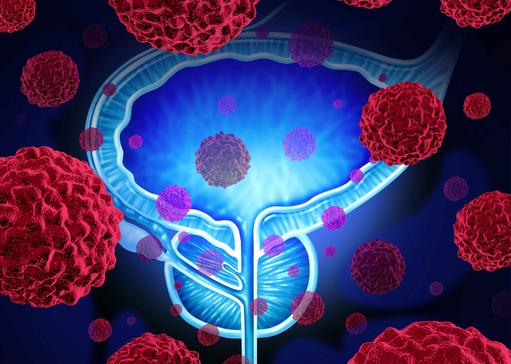
Prostate cancer develops in the walnut-sized gland underneath the male bladder. It is the most common cancer, other than skin cancer and is the second leading cause of cancer-related death in men.
 
The disease, which often develops slowly, is different to most other cancers because small areas of cancer within the prostate are common, especially in older men and may not grow or cause any problems. This presents men diagnosed with prostate cancer with some extremely difficult choices.
 
The statistics
Prostate cancer is the second most frequently diagnosed cancer in men and the fifth most common cancer overall. One in six men will be diagnosed with the disease in their lifetime and the overwhelming majority of cases occur in wealthy countries.
 
Each year, about 37,000 men in the UK and some 210,000 men in the US are diagnosed with prostate cancer and more than 10,000 and 28,000 respectively die each year of the disease. In the US there are over two million men living with the disease and African American men have a higher incidence of prostate cancer and double the mortality rate compared with other racial and ethnic groups. In the US about US$10 billion is spent annually on treatments for the disease. 
 
Standard treatments
Traditional treatments to stop the spread of prostate cancer involve surgery and radiotherapy, which has significant side effects. Following such treatments 50% of patients experience impotence, up to 20% suffer incontinence and between one and five percent who receive radiotherapy experience pain and bleeding.  
 
The standard PSA test is imperfect 
In the UK there is currently no national screening programme for prostate cancer. However, in 2002 the Prostate Cancer Risk Management Programme was introduced in response to a demand for the prostate specific antigen (PSA) test among men worried about prostate cancer. The Programme provides information to men about the benefits and risks of the PSA test, which is available, free of charge, to men over 50.
 
PSA is a protein produced by normal cells in the prostate and also by prostate cancer cells. All men have a small amount of PSA in their blood and elevated PSA suggests prostate problems, but not necessarily prostate cancer.
 
The test is imperfect and is not good at detecting prostate cancer early. In some cases, it completely misses cancers while in others it reports cancer when it is not present. This can lead to some difficult choices for men.
 
A 2013 study in Radiation Oncology supports earlier findings and suggests that men over 70 are better avoiding the PSA test since men with high risk prostate cancer are more likely to die of causes other than the disease.
 
The imperfections in PSA testing led, in 2011, to the US changing its guidelines on prostate cancer screening to suggest that healthy men should not take the test because of the risk of over diagnosing. Despite efforts to improve the PSA test, it is still recognised as the best non invasive prostate cancer test available.
 
Some good news for sufferers  
A promising new therapy to treat prostate cancer is high-intensity focused ultrasound (HIFU). HIFU therapy is a treatment modality of ultrasound involving minimally invasive or non-invasive methods to accurately destroy tumours by effectively heating them while doing far less damage to surrounding tissue and avoiding significant side effects. 
 
A 2012 clinical study reported in The Lancet suggests that HIFU therapy offers prostate cancer patients a significantly better treatment option than traditional methods and can be completed in a matter of hours during an outpatient visit to a hospital.
 
Clinical HIFU procedures are typically performed in conjunction with an imaging procedure to enable treatment planning and targeting before applying the therapeutic levels of ultrasound energy. MRI guided Focused Ultrasound Surgery (MRgFUS) combines a HIFU beam that non-invasively heats and destroys targeted tissue with MRI scanning that visualizes a patient’s anatomy and controls the treatment by continuously monitoring the tissue effect. 
 
Some other encouraging new therapies for prostate cancer
Recently, a new drug, enzalutamide (Xtandi), developed by the prestigious American prostate research centre in UCLA, has recently been licensed for use in the UK for patients with an advanced form of the disease and who have run out of treatment options.  
 
Also, there are some new FDA approved vaccines. One is sipuleucel-T (Provenge), which is designed to boost the body’s immune response to the prostate cancer cells. Another is PROSTVAC-VF, which uses a genetically modified virus containing PSA to trigger a response in a patient’s immune system to recognise and destroy cancer cells containing PSA.
 
Nutrition and Lifestyle
According to the World Health Organization, wealthy countries with the high meat and dairy consumption have the highest prostate cancer rates. This has encouraged scientists to examine foods and substances in them that may reduce the risk of prostate cancer.
 
Researchers suggest that lifestyle changes might affect the rate at which prostate cancer develops. One study reports that the level of PSA may be lowered by a vegan diet, regular exercise and yoga. Another suggests that a daily intake of flaxseed slows the rate at which prostate cancer cells multiply. Also, scientists suggest that lycopenes and isolflavones, found in tomatoes and soybeans respectively might help prevent prostate cancer.
 
Difficult choices for men
Given that patients decide about their treatment options and given that there are several treatment modalities for prostate cancer each with specific costs and risks; men diagnosed with prostate cancer face some difficult choices.
 
One challenge arises because genes linked to prostate cancer do not show which cancers are likely to remain within the prostate, which is normal for older men and which are more likely to grow and spread.
 
For example, researchers have found that the gene EZH2 is more frequent in advanced stages of prostate cancer, but this does not indicate how aggressive the cancer is. So, knowing of the genes presence does not help a patient make the important decision between immediate treatments or continued monitoring.
view in full page